In the 2026 midterm elections, people in at least 38 jurisdictions across the United States voted to limit or ban data centers.
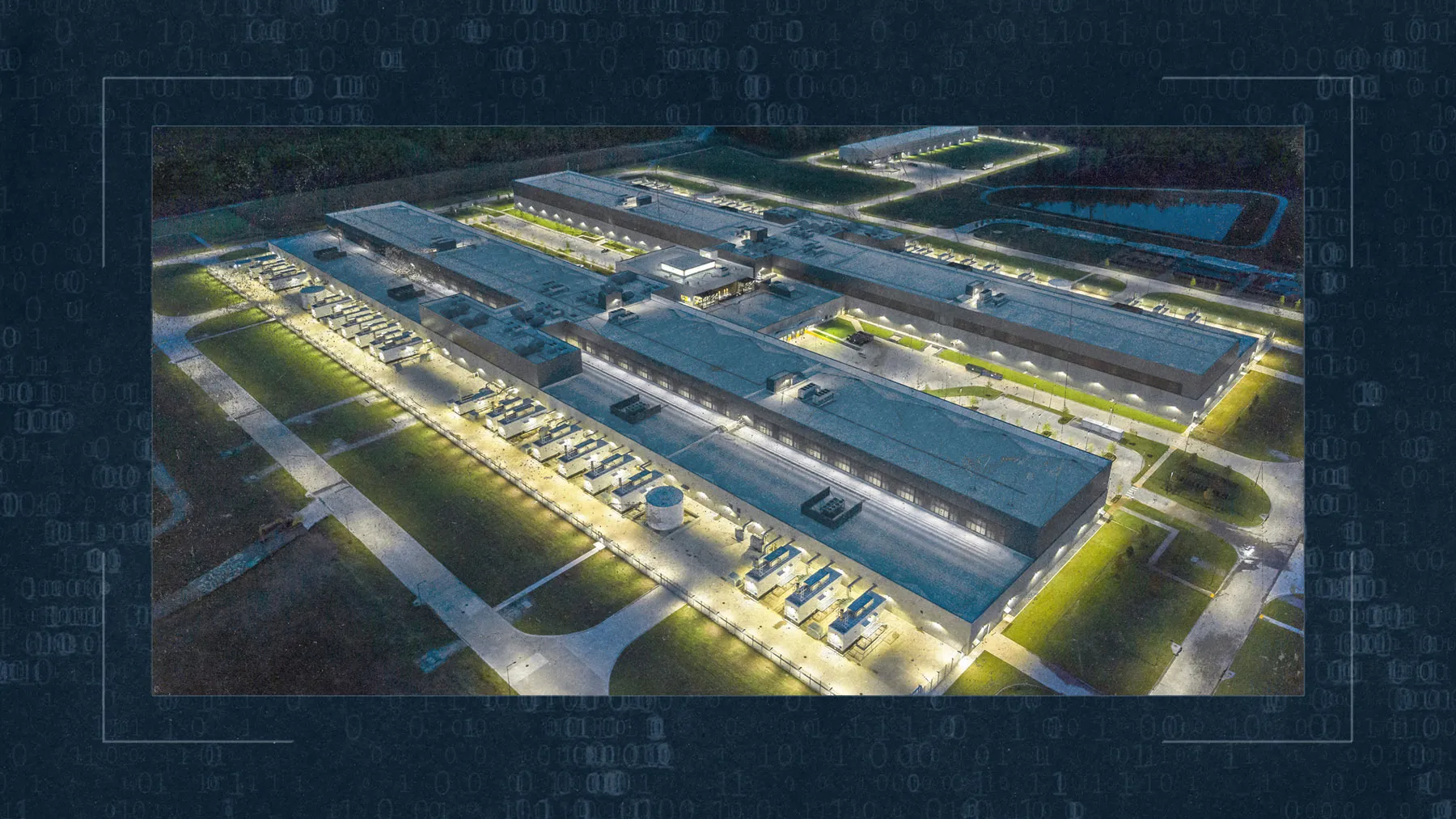
Data centers have existed in the U.S. for decades, but their numbers have increased rapidly in recent years to support the development of artificial intelligence. As the number of these facilities has grown, the public has become more aware of them and backlash against them has intensified.
Pew Research Center has done several analyses about data centers in recent years. Here are some key facts from these studies.
As data centers continue to make news, we did this analysis to quantify their growing presence in the United States and summarize Americans’ views of them.
Pew Research Center does research to inform the public, journalists and decision-makers. We have studied many topics related to data centers, including where they’re located, how Americans feel about them and how comfortable Americans would be having one near their home.
The data in this analysis comes from previously published Center analyses. Follow the links in the text for more information about each analysis, including survey field dates and methodologies. For one of the analyses, additional information about data centers’ electricity usage comes from the International Energy Agency.
S. as of February 2026, with at least 1,500 others in development. Existing data centers tend to be clustered together: 87% are in urban areas and 89% are within 5 miles of another data center.
Source link