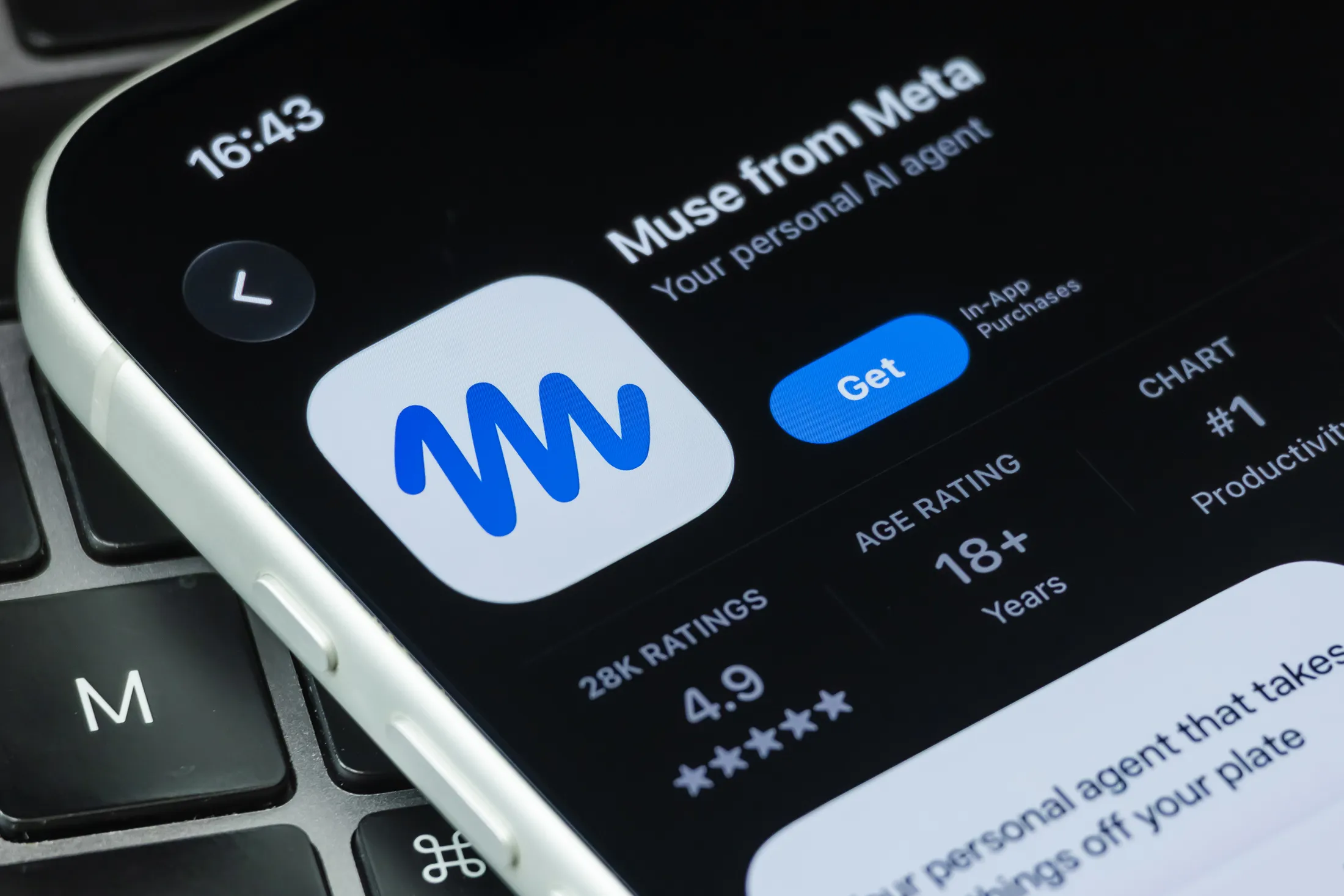
Most brands still plan media around a familiar sequence: earn attention, create interest, drive the click and optimize the conversion. Meta’s Muse suggests that sequence is about to get compressed.
Muse is a task-executing personal AI agent. In Meta’s launch announcement, the company said it can send emails, book travel, fill out forms, make purchases and keep working after the app closes. Users choose which services it can access through a dedicated virtual machine. The premise is simple: tell Muse what needs to be done, and it takes action.
That changes the strategic question for marketers. Leaders now need to ask… “Will the systems acting for the customer understand, trust and recommend us?”
I have seen this shift before. Earlier in my career, search was new enough that many companies treated it as a channel to test. The businesses that moved early built around search infrastructure and understood that visibility meant becoming findable when intent was present. Muse feels like another infrastructure moment. This time, the interface can act.
Meta is moving quickly. At Meta Connect, the company said Muse would expand to AI glasses, computer use, email and commerce connectors. Days later, TechCrunch reported that Meta was extending Muse to small businesses and connecting it to Slack, Canva, QuickBooks, Notion and Meta ad accounts.
That combination matters, as Muse is being built into places where people communicate, shop, work, and manage daily life. Meta is connecting recommendation to transaction , letting an agent carry a user’s intent forward instead of sending them through disconnected searches, sites and checkouts.
Source link