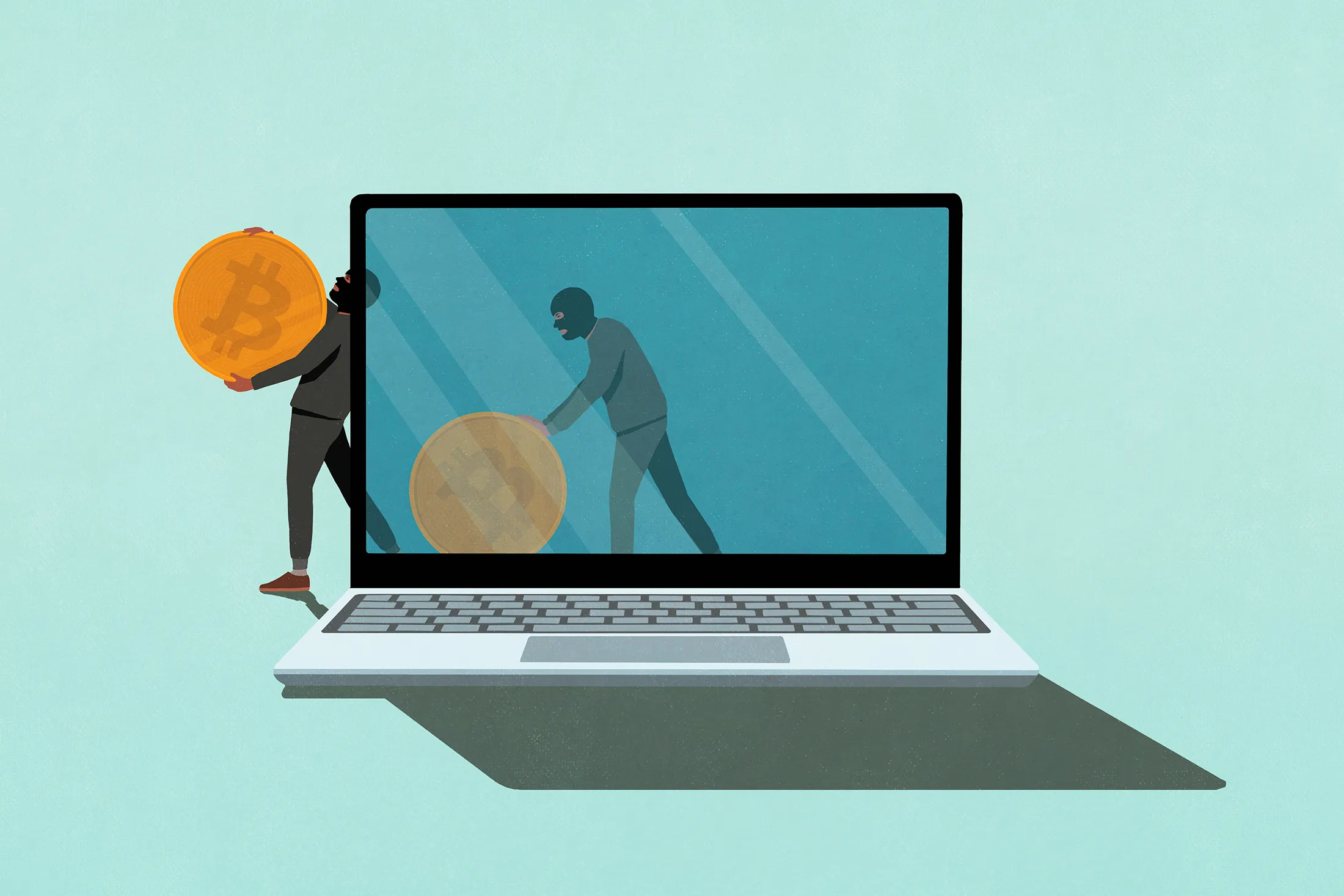
Supermarkets across Europe have been hit by a suspected cyber-attack affecting their fridges and freezers, and raising concern about the vulnerabilities of internet-connected hardware from industrial machinery to humble domestic appliances.
Smart devices which are connected to the internet can include fridges, central heating, and even washing machines.
And while that makes them easier to control remotely, in theory, any device which goes online can potentially be exploited by malicious actors.
However, that doesn't mean hackers can easily take control of it, and big brands generally go to great lengths to make sure their tech is secure.
Exploits have been found before in some devices. In 2015, researchers demonstrated how a vulnerability in a Samsung smart fridge could allow them to intercept internet traffic.
But there's no evidence domestic appliances are being targeted in the cyber-attacks which targeted supermarkets in November.
Ciaran Martin, former chief executive of the UK's National Cyber Security Centre (NCSC) says manufacturers needed to do more to make connected devices secure.
"There's a lot more that we need to demand of big tech to give us safer devices and products in the first place," he said.
He advised consumers to keep devices updated and enable multi-factor authentication wherever possible.
"I know it's a pain, but it only takes a few seconds," he said.
Since April 2024, UK law has required manufacturers of certain consumer smart devices to meet minimum cyber security standards, including requirements around passwords and security updates.
The NCSC said it was working with international partners and industry to understand the supermarket incidents, but it was unaware of any impact on the UK.
Source link