A new generation of entrepreneurs is emerging, armed with tools that previous generations could only dream of.
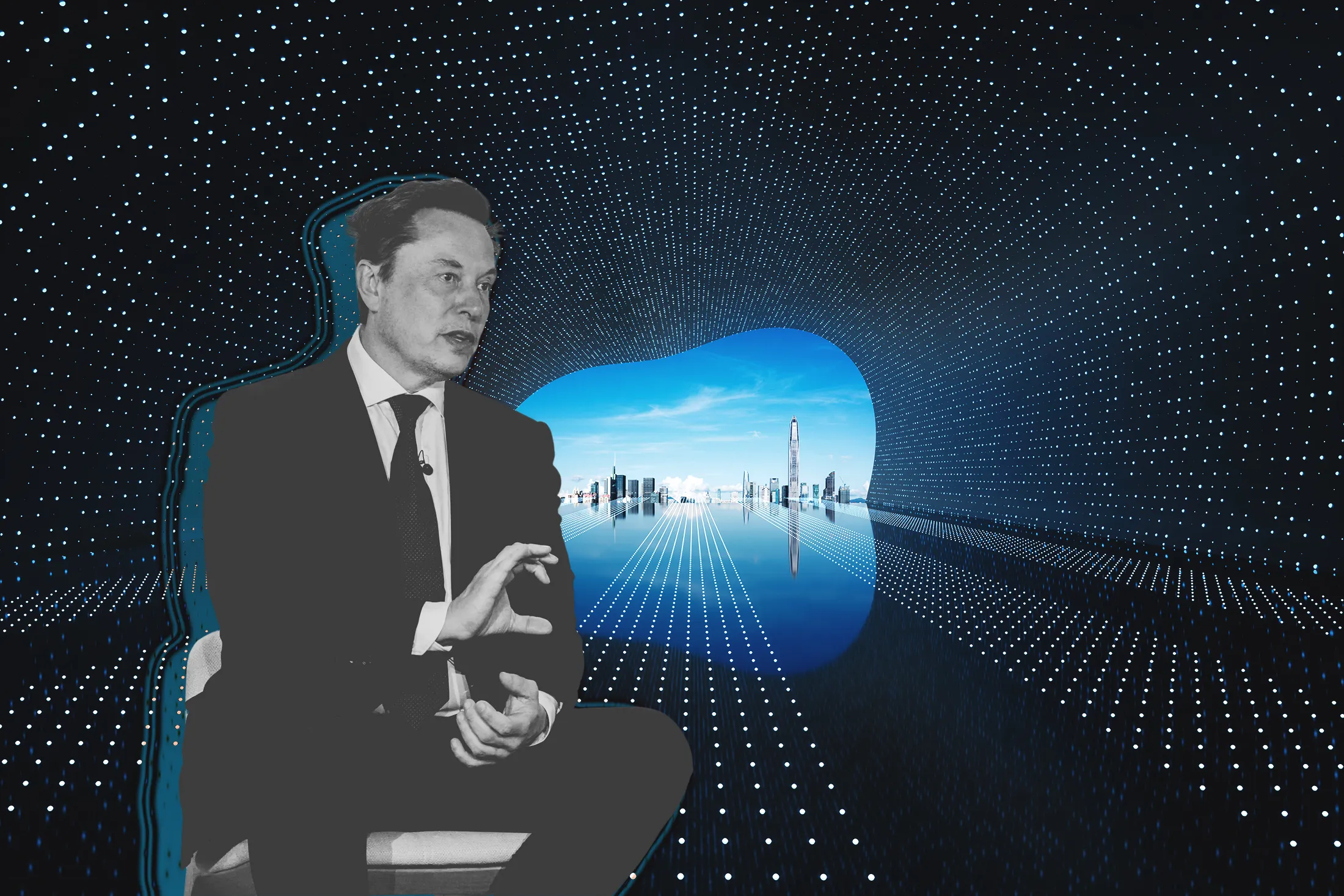
Remember The Jetsons? Since the 1960s, humans have watched a world of flying cars, automated homes, and robotic assistants that seemed pure fantasy. Today, Elon Musk is working to bring elements of that future to life. And it isn’t just The Jetsons. The 2004 film I, Robot imagined humanoid robots and intelligent machines.
Twenty years later, when Tesla unveiled its Optimus robot, the film’s director, Alex Proyas, joked: “Can I have my designs back, please?”
That raises a bigger question: If engineers are building the technology we saw in yesterday’s movies, who’s imagining the technology of tomorrow?
Star Trek, for example, imagined communicators resembling mobile phones, voice-operated computers and medical scanning devices decades before they became everyday reality. These weren’t engineering blueprints; they were creative visions of what life might look like.
We celebrate the engineer, programmer and scientist who turn ideas into reality, but rarely the people who first imagined the possibility.
We have become obsessed with qualifications and specialization. We do need brilliant doctors, engineers and scientists, but mastering an existing discipline is not the same as imagining an entirely new one.
You can be an exceptional engineer or programmer and still struggle to imagine what the world will need in twenty years.
Innovation requires more than knowing how to build something. It requires the instinct, faith and foresight to recognize what is worth building in the first place.
Source link