Black Friday inboxes are brutally crowded. Here’s how to avoid the deliverability mistakes that can send your campaign to spam before customers ever see your offer.
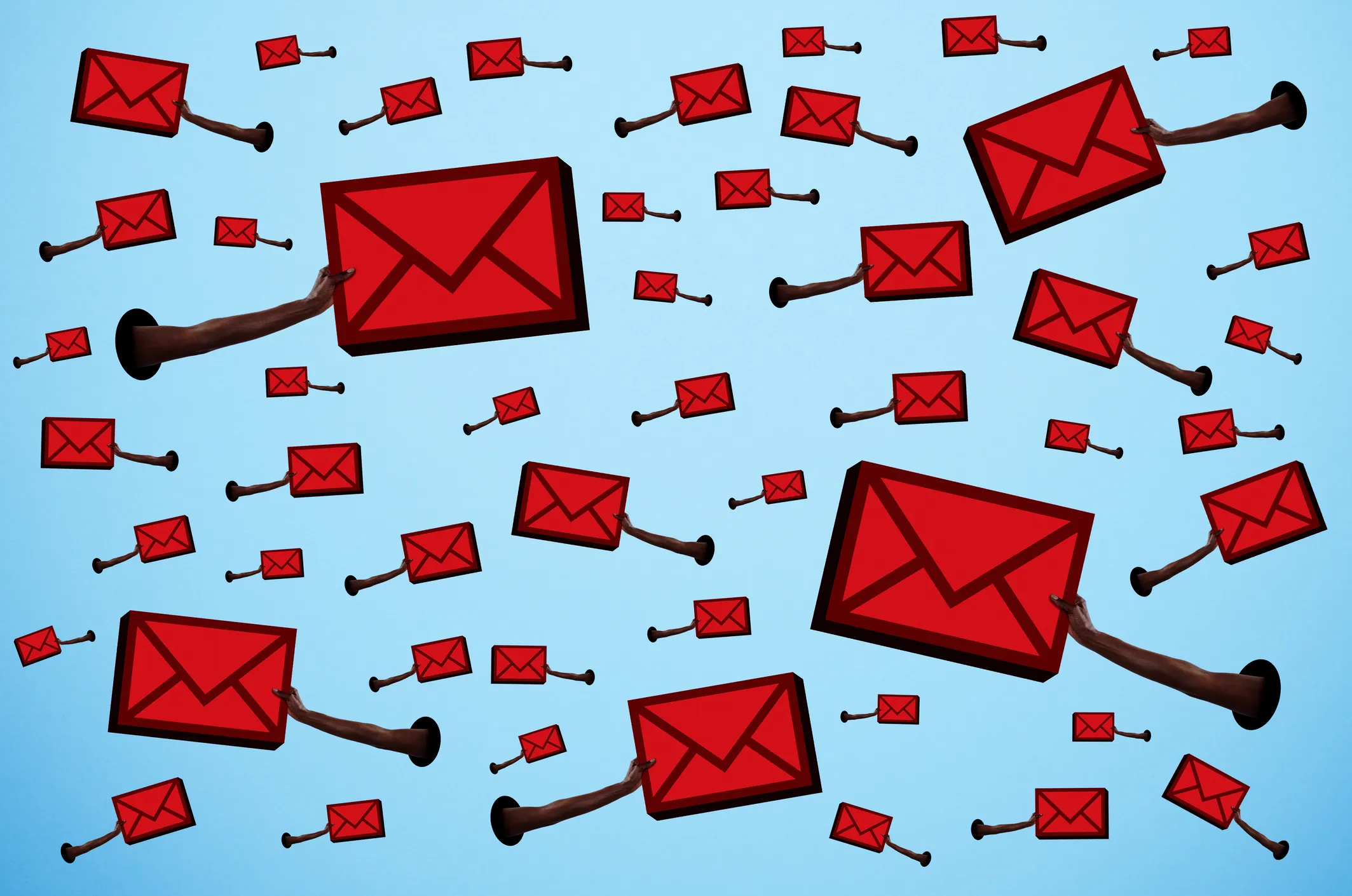
Black Friday is one of the few days of the year when customers expect companies to flood their inboxes. And flood them they do.
In 2025, brands using Mailchimp sent 1.39 billion emails on Black Friday alone. Cyber Monday brought another 1.3 billion. For founders preparing holiday campaigns, that volume creates a problem that has little to do with whether your subject line is clever or your discount is generous.
During Cyber Week, many companies increase their sending volume, sometimes overnight. At the same time, Gmail, Yahoo, Microsoft and other inbox providers are evaluating whether senders deserve access to the inbox. That makes Black Friday a particularly bad time to discover that your email infrastructure or sender reputation has a problem.
But most deliverability problems are preventable. You just need to work on them before your Black Friday campaign goes out, not after you see the results.
One of the biggest mistakes I see companies make around major shopping events is changing their sending behavior too abruptly. Let’s say your company normally sends 50,000 emails a week. Black Friday approaches, and suddenly you want to send 200,000 emails in a day.
To you, that looks like a holiday campaign. But to an inbox provider, it can look suspicious.
Email providers build a picture of your sending behavior over time. Sudden spikes can trigger throttling, which means an inbox provider slows down the rate at which it accepts your messages.
Source link