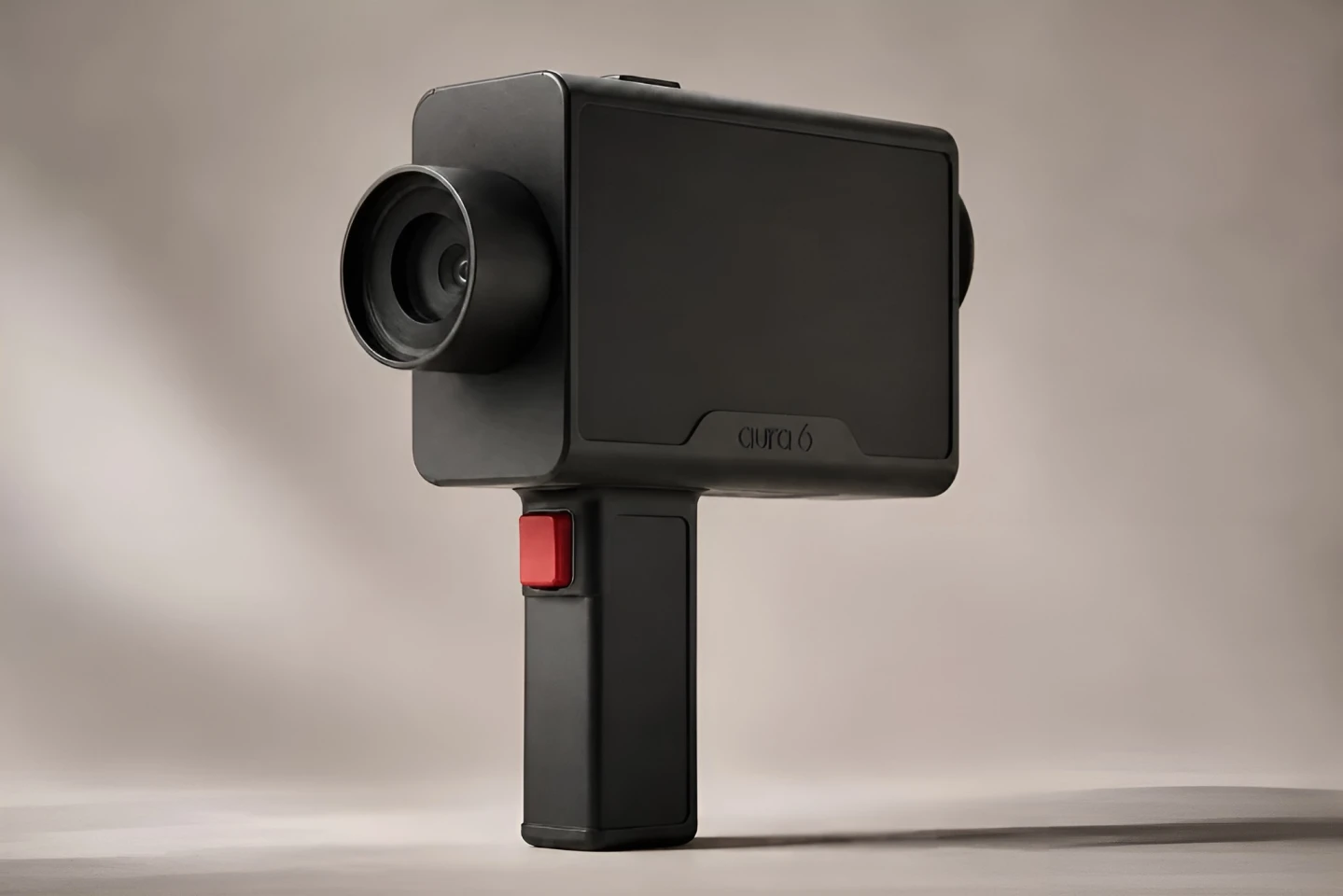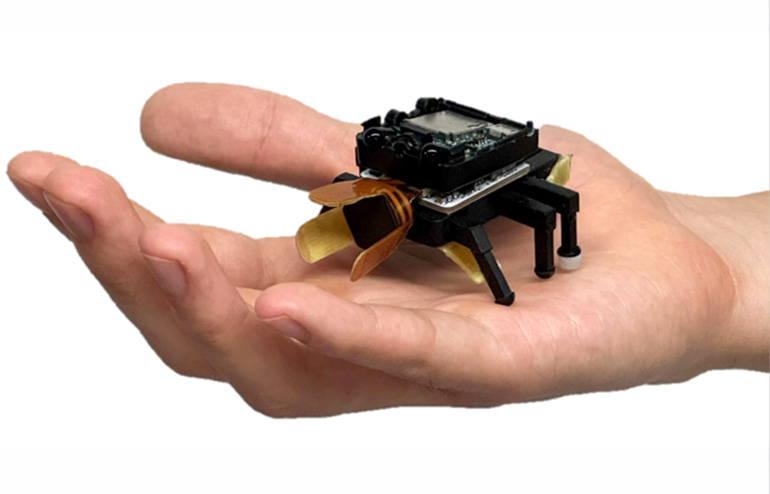
Genesis AI recently unveiled the Eno robot to bring physical AI into commercial environments. Source: Genesis AI
The fastest-growing market categories have humble beginnings. Physical AI, the combination of robotics and advanced artificial intelligence, is just the latest example.
ChatGPT began as a pitch deck at an accelerator before it became a household name in 2023. Before cloud computing became a boardroom imperative, founders were building it, server rack by server rack, cluster by cluster. And, of course, before fintech rewired retail banking, it appeared as a funding surge in deal flow data that most banks weren’t reading.
You see the pattern, and I’ve watched it repeat itself across several years of evaluating startups. The startup ecosystem is the world’s most underutilized business intelligence system.
Incumbents may amass wealth and power, but it’s the founders who choose to build. Which sectors attract a sudden surge of founding activity is a three-to-five-year leading indicator of where enterprise disruption is headed.
While AI agents garner the lion’s share of media attention and VC funding, deal flow suggests the next market for hypergrowth will be of the metallic persuasion. That is physical AI, which includes autonomous machines and smart manufacturing, among other sensor-laden systems.
6 billion across 1,009 deals in 2025, or more than double the prior year, according to PitchBook. Genesis AI , which emerged from stealth with a $105 million seed round , recently demonstrated a wheeled robot that can bring physical AI into commercially relevant environments without needing to replicate the human body.
Source link