When we hear the word “robot,” we still conjure up images of mechanical figures from old science fiction films. However, reality has long since evolved: We’re surrounded by smart vacuum cleaners, voice assistants, and even four-legged machines that mimic dogs. But what are these robotic animals?
They’re not just battery-powered toys. They’re complex electronic devices, infused with elements of artificial intelligence, that replicate the appearance and behavior of real or imaginary creatures.
These devices contain sensors, speakers, motors, and processor modules that analyze external signals. They’re controlled via mobile apps. Digital pets can make distinctive sounds, respond to signs of affection, answer to their names, and display a range of emotions—from delight to fear, from satisfaction to fatigue.
Manufacturers employ a variety of engineering approaches when creating these devices. Let’s look at some interesting examples.
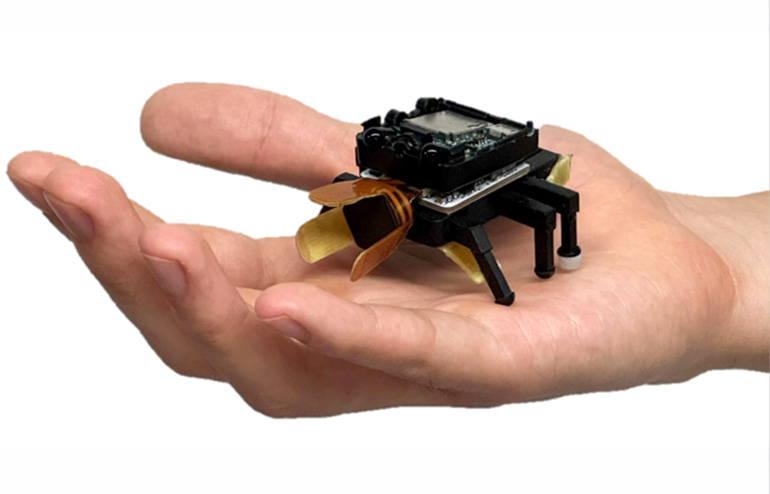
A microrobot beetle might seem like a fun little gadget. But leading research centers such as the Korea Advanced Institute of Science and Technology (KAIST) are working on developing similar insects (see image above).
So why are robot ants, robot beetles, and robot bees being created? The answer lies in solving practical and even humanitarian problems.
In the spring of 2022, a tragedy occurred in the city of Changsha, China—a six-story building collapsed. Dozens of people were trapped under the rubble. Many remained missing for nearly six days.
Rescue efforts were hampered by piles of rubble and collapsed floors. Ultimately, 53 people died, and only 10 were rescued. In such operations, every minute is precious.
Source link