This article has been reviewed according to Science X's editorial process and policies. Editors have highlighted the following attributes while ensuring the content's credibility:
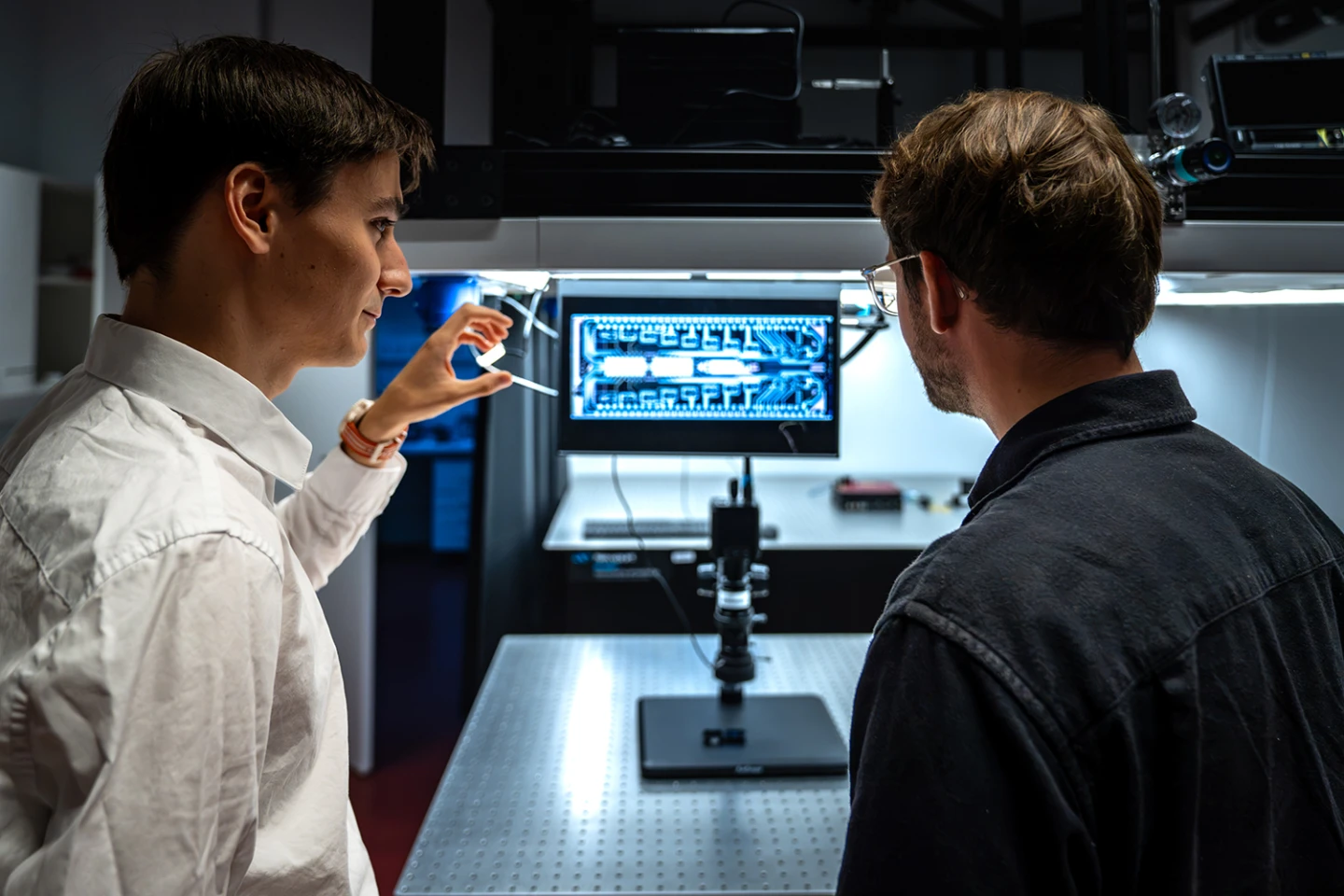
From responsive textiles that create a new tactile experience in gaming to interactive displays, soft robotic arms and intelligent factory conveyor systems—miniature robots made from thin polymer films could provide surfaces with a whole range of new and useful functions. Professor Gianluca Rizzello's research group at Saarland University is studying how such film-based robots work together beneath a silicone skin, acting collectively like artificial muscles and sensory nerves. Lightweight, flexible and powered solely by electricity, the system requires no bulky hydraulic or pneumatic equipment, external sensors, cameras or tangles of cables.
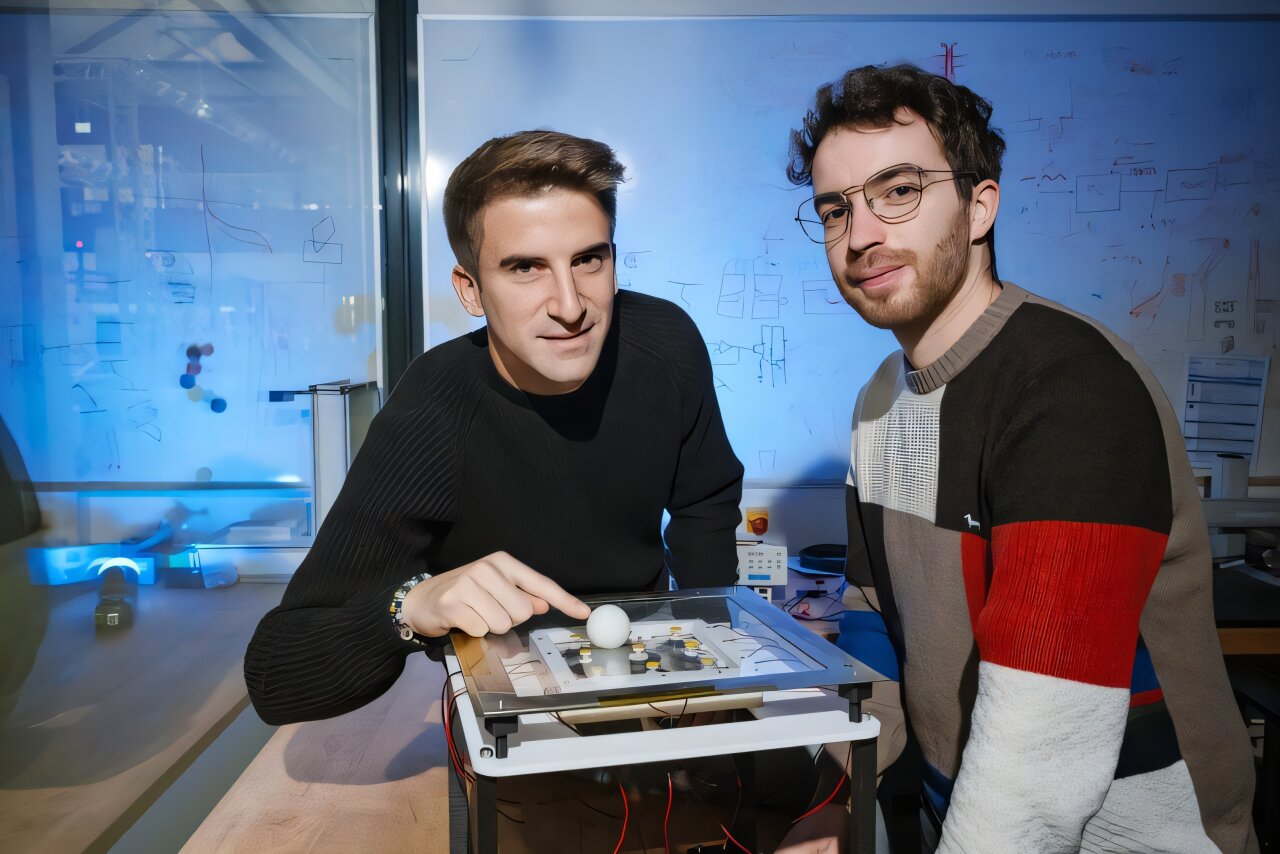
Doctoral researcher Saverio Addario places a table tennis ball on the prototype's silicone membrane. Working as a team, the miniature robots collectively roll the ball across the surface. But the players in this team are not standing on the surface; they are concealed beneath it. Nine miniature robots are arranged beneath the silicone skin in three rows of three. "Each miniature robot is an actuator made from a material called an electroactive polymer. Like the silicone membrane above them, the actuators are made from thin, stretchable films," explains Addario.
The film-based robots are able to sense how the weight of the ball presses down on and stretches the silicone skin above them. The actuator closest to the ball rises up in response, pushing the silicone skin upward. The neighboring actuators then sense the resulting tension in the skin and how the ball's weight and direction of travel shift as it rolls.
Source link