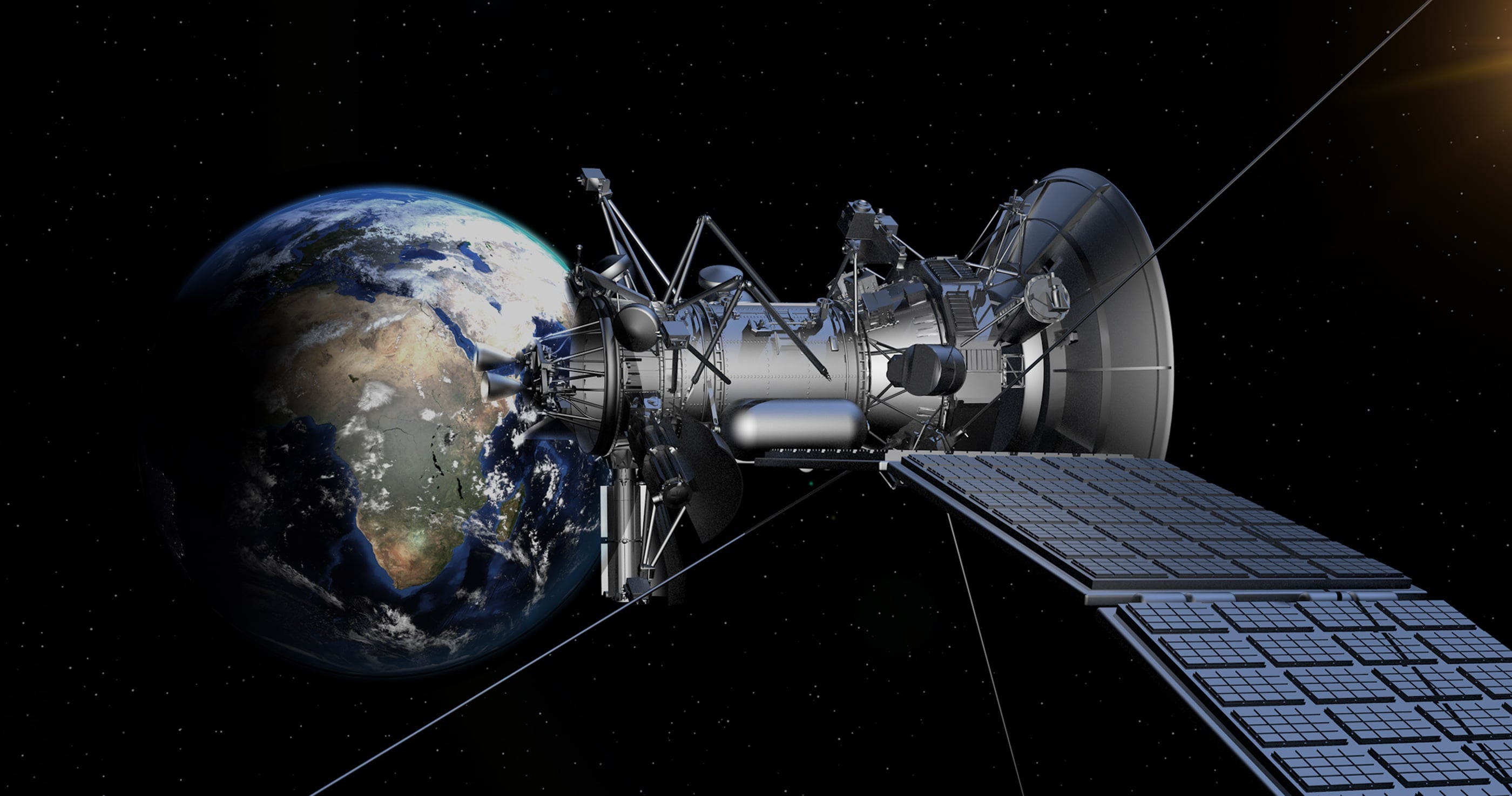
Space robotics was the focus of a plenary panel at IROS 2026 in Pittsburgh, where speakers from NASA, JAXA and academia discussed the roles robots will play in lunar exploration, human spaceflight and work in orbit. Their examples ranged from unloading cargo and building lunar infrastructure to collecting samples from Phobos and removing space debris.
The presentations also pointed to a wider question: how can investment in space robotics advance capabilities that matter on Earth?
Rob Ambrose, a professor at Texas A&M and former NASA principal technologist for robotics and autonomy, made that case through the potential links between lunar work and industries such as construction, transport, logistics, mining and solar power.
Ambrose acknowledged that Earth orbit is likely to remain the largest space market for the foreseeable future. Most space activity and investment are concentrated there, and that market is likely to keep growing even as lunar and, eventually, Martian activity expands. But technologies needed on the Moon could also help address practical problems on Earth.
Robots used to move materials, build habitats, install power systems and extract resources on the Moon will share challenges with those faced by industries on Earth. Ambrose pointed to driverless vehicles, logistics, solar-array assembly, construction and mining as areas with strong potential for shared development. He estimated that the sectors he discussed represent more than US$10 trillion in existing Earth markets.
“NASA is essentially a real estate endeavour,” he said. ” The immediate commercial activity may be concentrated in Earth orbit, he suggested, but lunar robotics could generate benefits across much larger terrestrial markets.
Source link