This article has been reviewed according to Science X's editorial process and policies. Editors have highlighted the following attributes while ensuring the content's credibility:
A robot artificial intelligence (AI) system has been developed that can understand human instructions, predict what a scene will look like after an action and then carry out the task. Rather than simply translating instructions into physical movements, the technology also uses the anticipated outcomes of those actions to control the robot.
A research team led by professor Jaeyoung Do of the AIDAS Lab in the Department of Electrical and Computer Engineering at Seoul National University College of Engineering has developed "Dynin-Robotics," a robotic foundation model that handles language, images, video and robot actions together within a single model. A foundation model is a general-purpose AI model trained on diverse types of data so that it can be applied to a wide range of tasks. The paper is published on the arXiv preprint server.
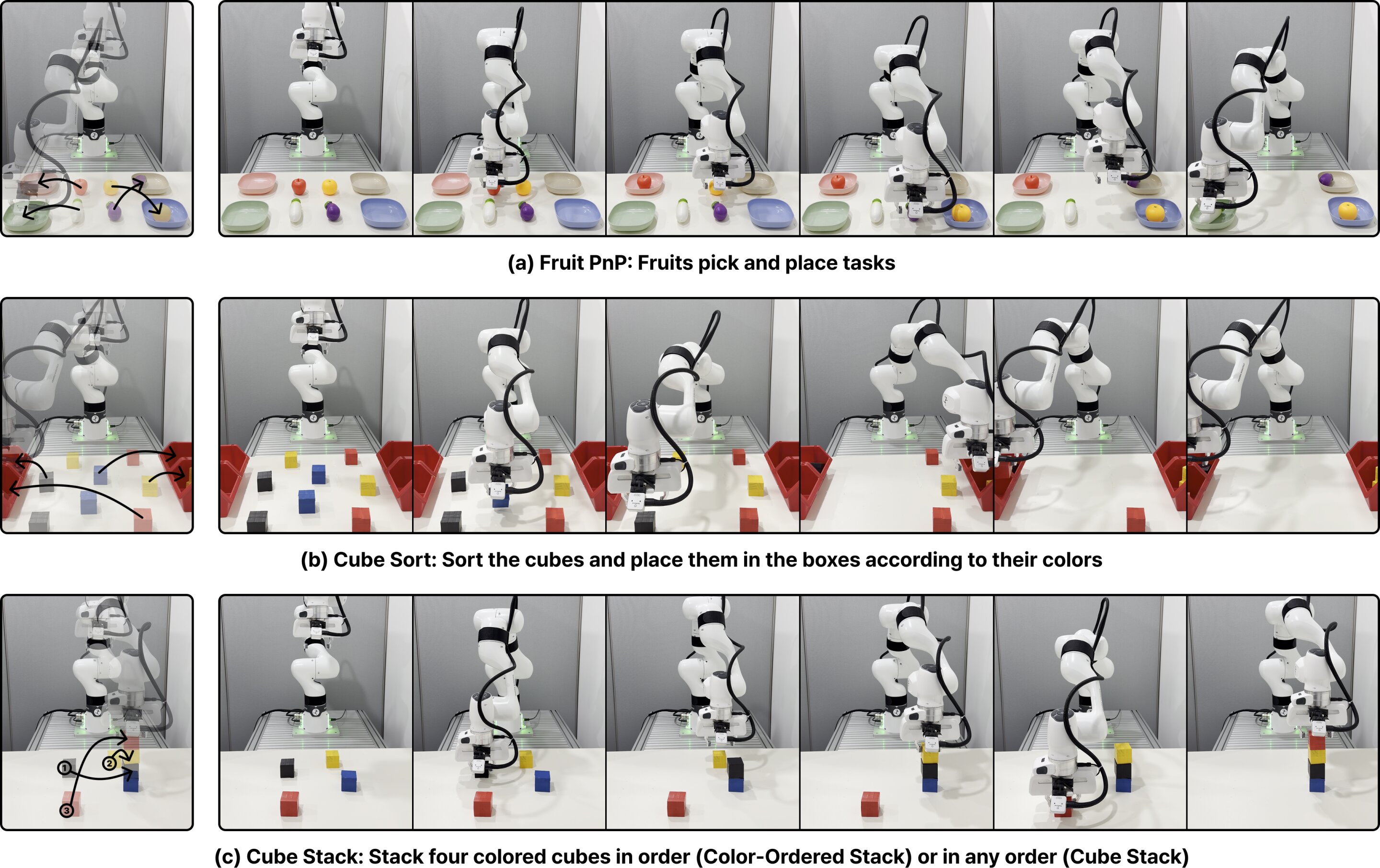
Dynin-Robotics generates robot movements based on human instructions and camera images. It can also predict, in image form, what the next scene will look like after a particular action or what the target scene should look like once a task is completed, and use these predictions to generate and select actions. In evaluations across four real-world robot manipulation settings, Dynin-Robotics achieved an average success rate of 78.4%, outperforming the comparison models from NVIDIA and U.S.-based robot AI company Physical Intelligence used in the experiments.
The paper describing the research has been accepted to NeurIPS 2026, one of the world's leading international conferences in artificial intelligence and machine learning, and is scheduled to be presented in December.
Source link