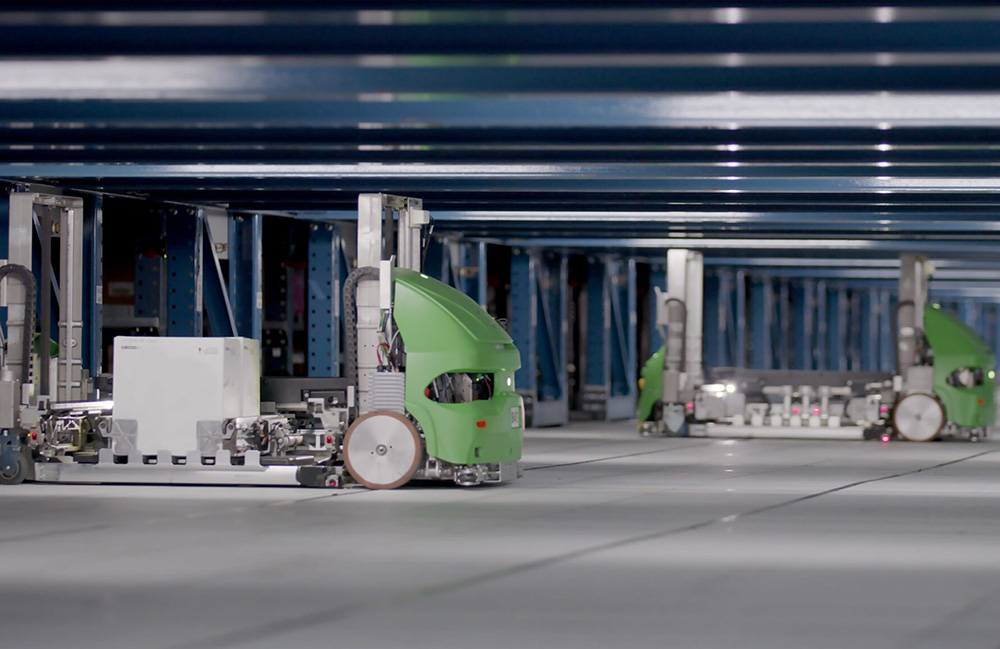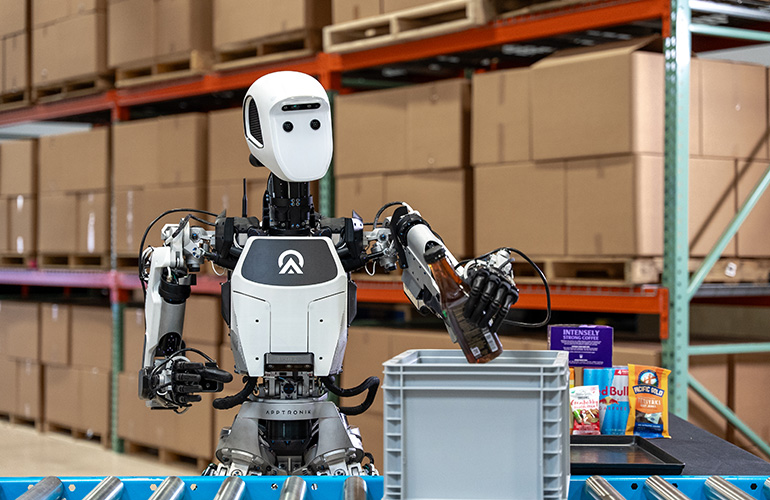
This year, The Robot Report continued to share developments in design, engineering, and deployment of commercial systems, but the pace of change has accelerated. This is due to advances in hardware, scale, and most of all, artificial intelligence. The 2026 Robotics Handbook curates some of the top trends in the space.
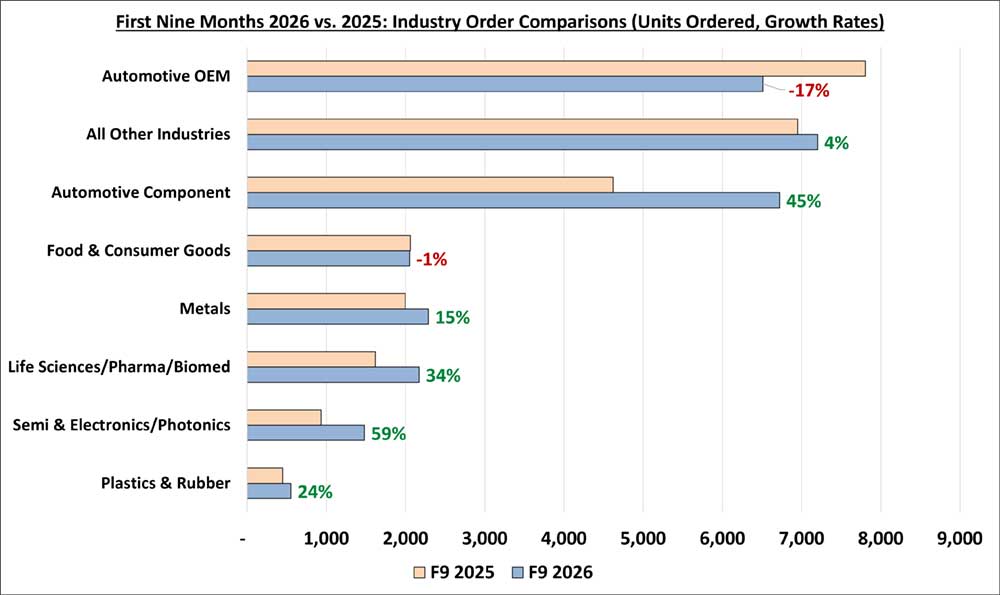
As labor shortages drive demand for automation, markets become more knowledgeable about robots’ capabilities, and the systems themselves get easier to use, robotics adoption is growing. According to the International Federation of Robotics (IFR) and the Association for Advancing Automation (A3), both global and U.S. orders are climbing after a post-pandemic pause.
This free download looks at the engineering challenges, component choices, and market opportunities for robotics. While humanoid robots are still in development and commercial trials, massive amounts of funding have led to stiff competition as big tech companies and emerging startups try different form factors and use cases.
AI is the other prominent topic of 2026, as it changes how robots are designed, programmed, and managed. From large language models and vision-language-action models to world models, AI is already starting to make robots more autonomous, easier to use, and safer for people to interact with. However, the devil is in the details, as concerns around data, cybersecurity, and national sovereignty persist.
The 2026 Robotics Handbook also looks at advances in dexterous manipulation and spotlights an industry where automation is just getting started — construction. In this issue, you can learn about:
Sponsors for the 2026 Robotics Handbook include DigiKey , All Motion , CS Hyde Co.
Source link