This article has been reviewed according to Science X's editorial process and policies. Editors have highlighted the following attributes while ensuring the content's credibility:
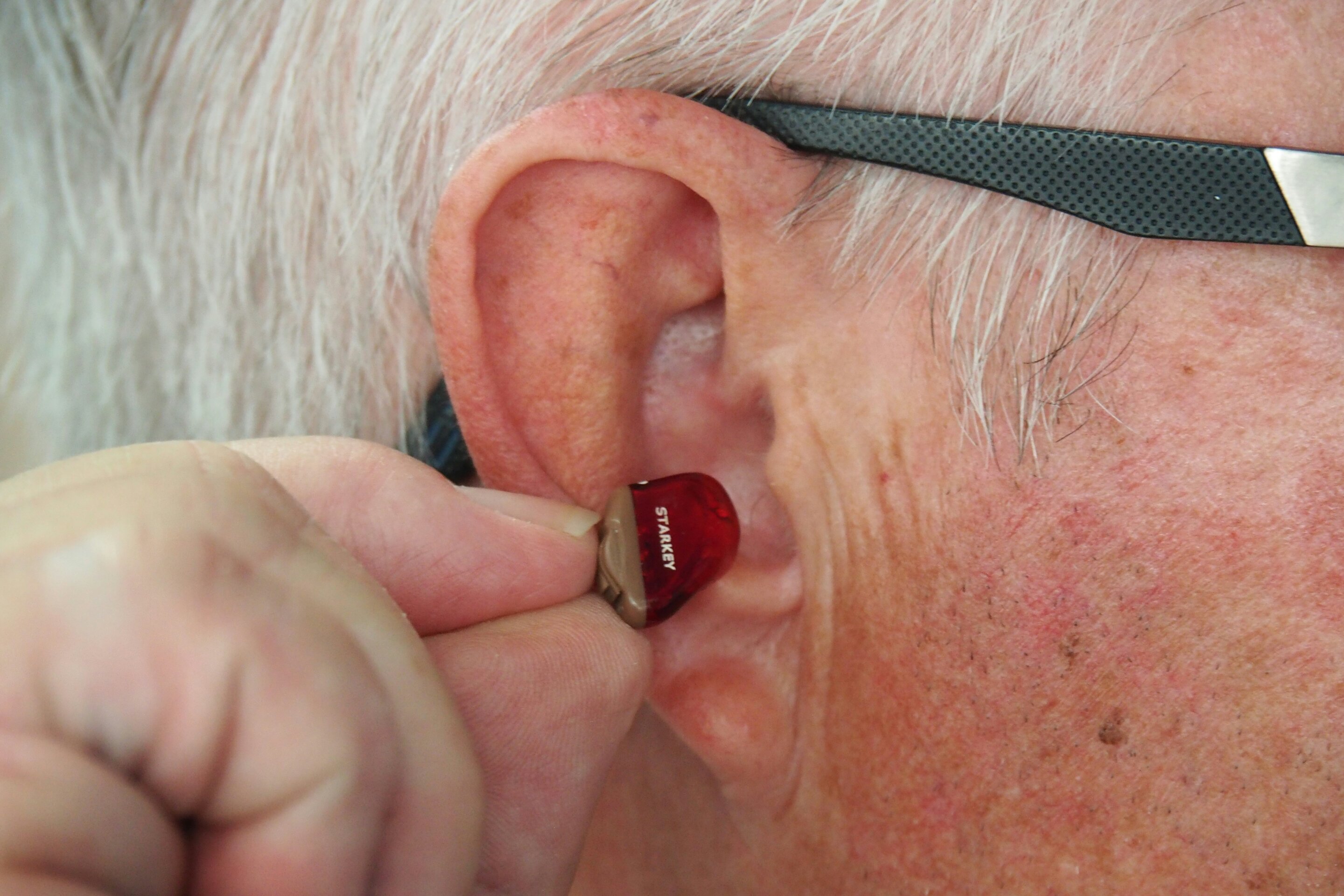
Someone shopping for an over-the-counter (OTC) hearing aid may have to sort through dozens of products, determine which ones are regulated by the FDA, figure out what insurance will cover and find an expert willing to help choose and set up a device.
A new JAMA Viewpoint by UC San Francisco researchers says these hurdles show why making hearing aids available without a prescription, while an important step, has not been enough to ensure people can find and use the devices they need.
"Over-the-counter hearing aids have opened the door for many people who might otherwise never have gotten hearing aids," said Kathryn A. Phillips, Ph.D., a UCSF professor of health economics and health services research. "But people still have to figure out what to buy, whether they can afford it and where to get help."
The U.S. Food and Drug Administration created the OTC category in 2022 for adults with perceived mild-to-moderate hearing loss, allowing them to buy hearing aids without a prescription or professional fitting.
The change has substantially lowered costs. OTC hearing aids are about $500 on average, compared with $3,400 for prescription devices, according to data cited by the authors. Among people buying hearing aids for the first time, 70% chose an OTC device.
But Phillips and co-author Christine K. Cassel, M.D., found major obstacles remain.
Products vary widely in price, features and ease of use, and consumers may have trouble determining whether a device is a regulated hearing aid.
Source link