This article has been reviewed according to Science X's editorial process and policies. Editors have highlighted the following attributes while ensuring the content's credibility:
The gut-brain axis is a two-way biochemical hotline, with messages zipping back and forth all day long. When the gut is chronically inflamed, inflammatory signals travel through the body to the brain and trigger neuroinflammation. The hippocampus, which governs memory, learning and mood, is especially vulnerable, so its disruption can affect how you think, remember and feel.
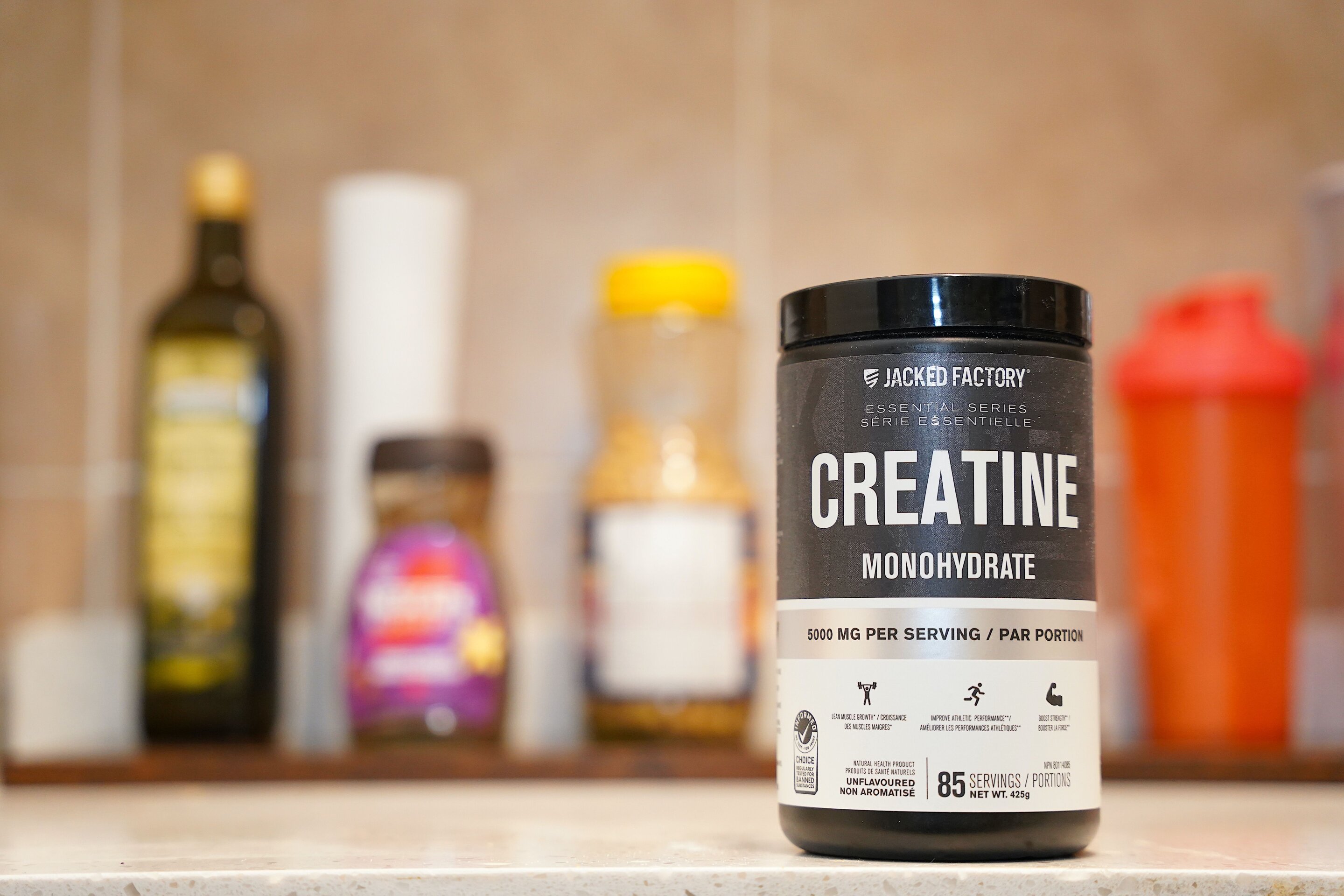
A recent study published in Brain, Behaviour, and Immunity investigated how chronic ulcerative colitis, a type of inflammatory bowel disease, impacts the brain and whether oral intake of creatine, a popular supplement in sports nutrition, can protect against brain damage. The researchers chemically induced chronic colitis in rats and observed their recovery with or without creatine. The creatine group received the supplement in drinking water, starting 10 days before colitis induction and continuing throughout the experiment.
Chronic colitis fueled inflammation in the hippocampus and activated immune cells in the brain in both sexes, but males took a harder hit. They showed greater hippocampal inflammation, along with clear neuronal damage and impaired neuronal activation. Daily oral creatine supplementation brought energy stores back to normal control levels. It also prevented the rise in inflammatory cytokines and stopped activation of brain immune cells in both sexes.
Inflammatory bowel disease such as ulcerative colitis is primarily a gastrointestinal disorder, but many patients living with this condition also experience neurological problems like mood disorders, cognitive difficulties and memory issues.
Source link