This article has been reviewed according to Science X's editorial process and policies. Editors have highlighted the following attributes while ensuring the content's credibility:
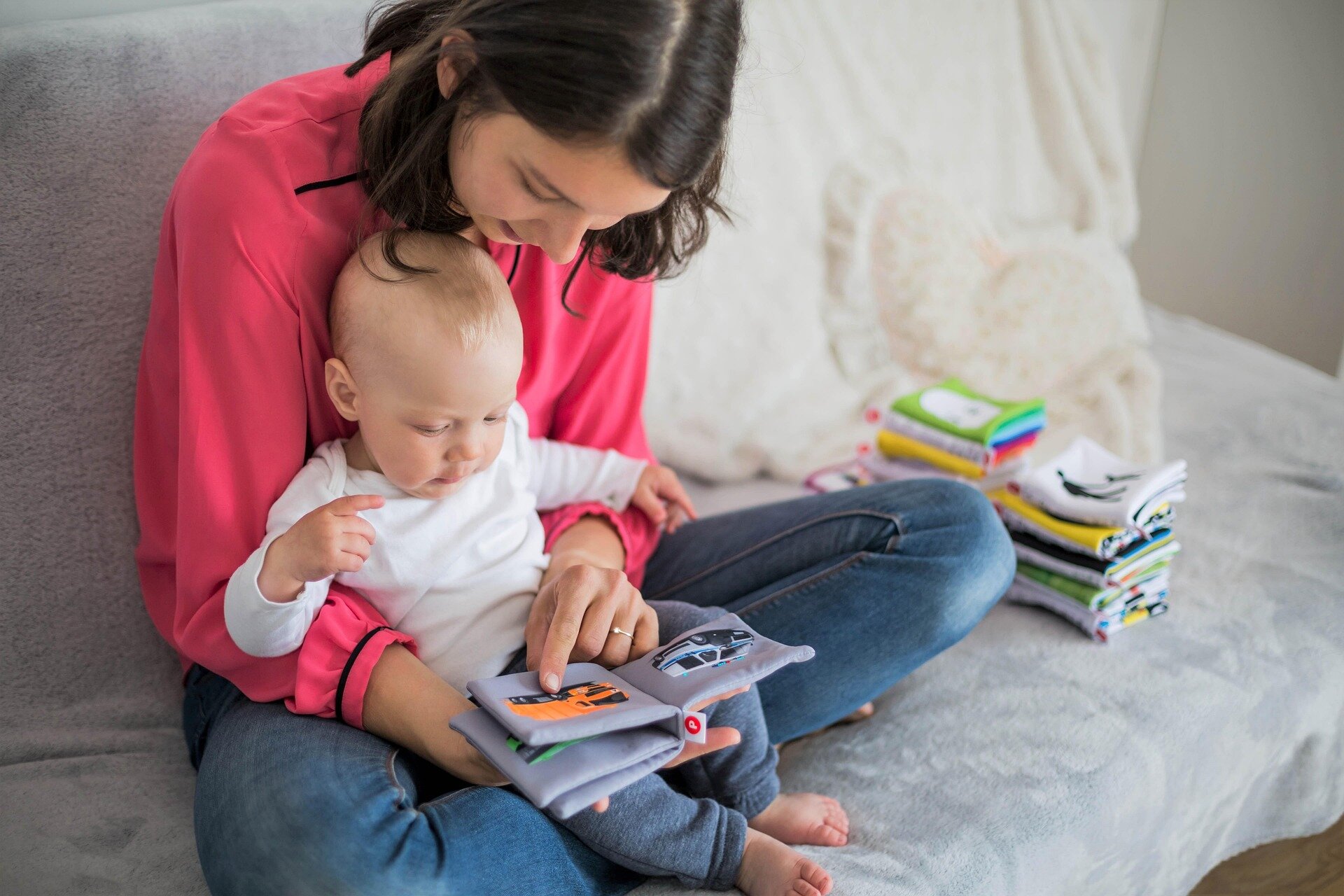
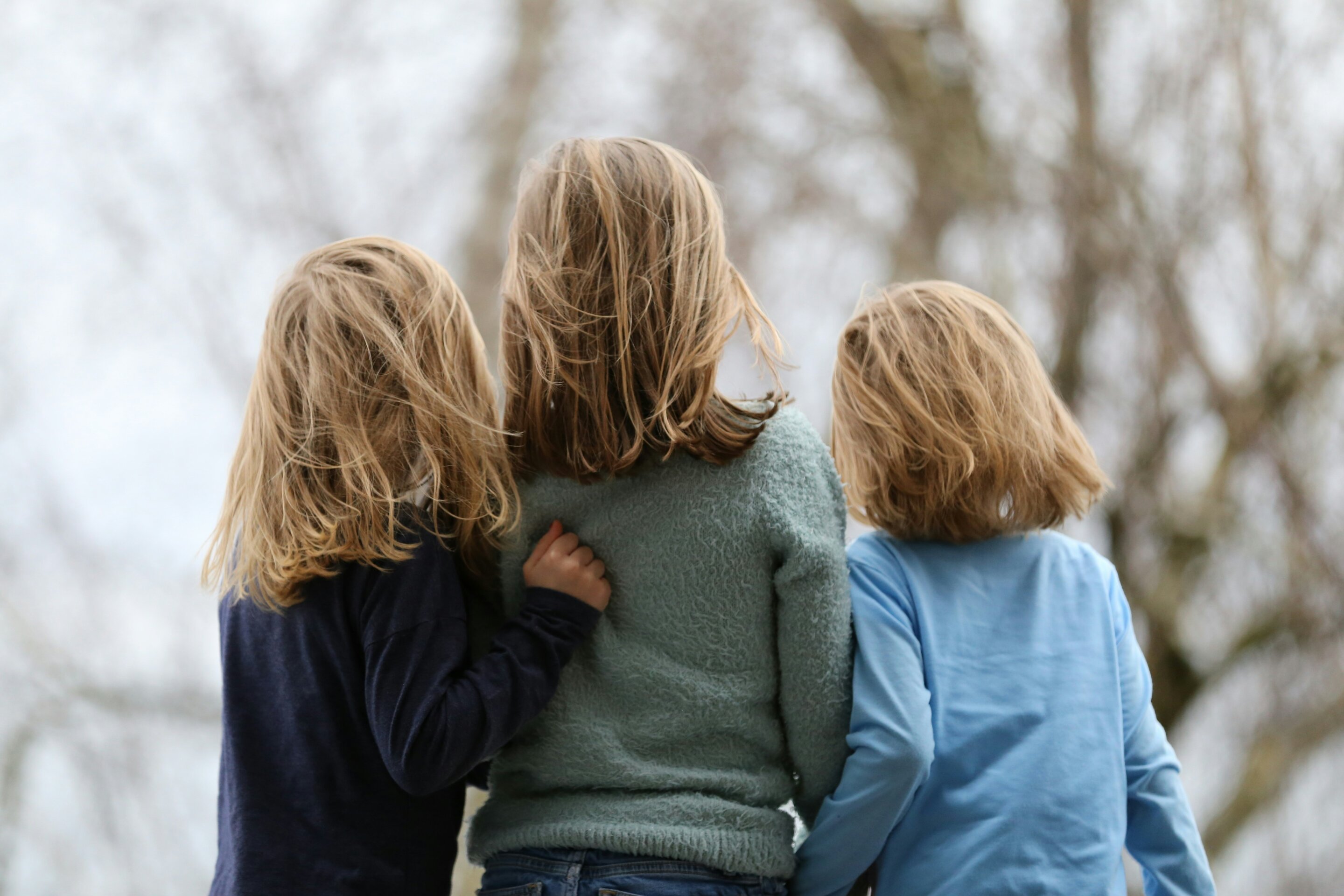
The strain caused by having a child with a disability affects the whole family. But state support can mitigate the negative consequences. This is the finding of a study that was recently published by the Rockwool Foundation Berlin (RFBerlin). Second-born children whose younger sibling has a disability are 13% more likely to seek psychological support themselves between the ages of 9 and 20.
"Since disabilities are more common in families with lower socioeconomic status, disability could be an underestimated factor reinforcing socioeconomic disadvantages across generations," says co-author Janet Currie, RFBerlin research fellow and a professor at Yale University.
However, the researchers also saw improvements in support for families over time. They show that after the Danish government expanded its social benefits for parents of seriously ill children in 1998, the use of mental health support by second-born children fell from 21% to 9%.
Second-born children were more severely affected than firstborns because they were younger at the time of their disabled sibling's birth. The number of visits by these second-born children to psychiatrists rose by 23%, while prescriptions for psychiatric medication increased by 18%. These siblings also sought counseling 11% more frequently. The effects became apparent when the siblings were around 9 years old and then intensified during their teenage years.
The effects were particularly pronounced in families where the mothers had only an elementary school education.
Source link