This article has been reviewed according to Science X's editorial process and policies. Editors have highlighted the following attributes while ensuring the content's credibility:
When immunity works well, the body steers clear of infection and disease. However, when the immune system goes awry, healthy cells can often end up in the firing line. This can occur in autoimmune diseases like anti-neutrophil cytoplasmic antibody (ANCA)-associated glomerulonephritis, a kidney disease in which ANCAs trigger destructive inflammation. However, there has been little information about the sequence of events associated with the early stages of disease.
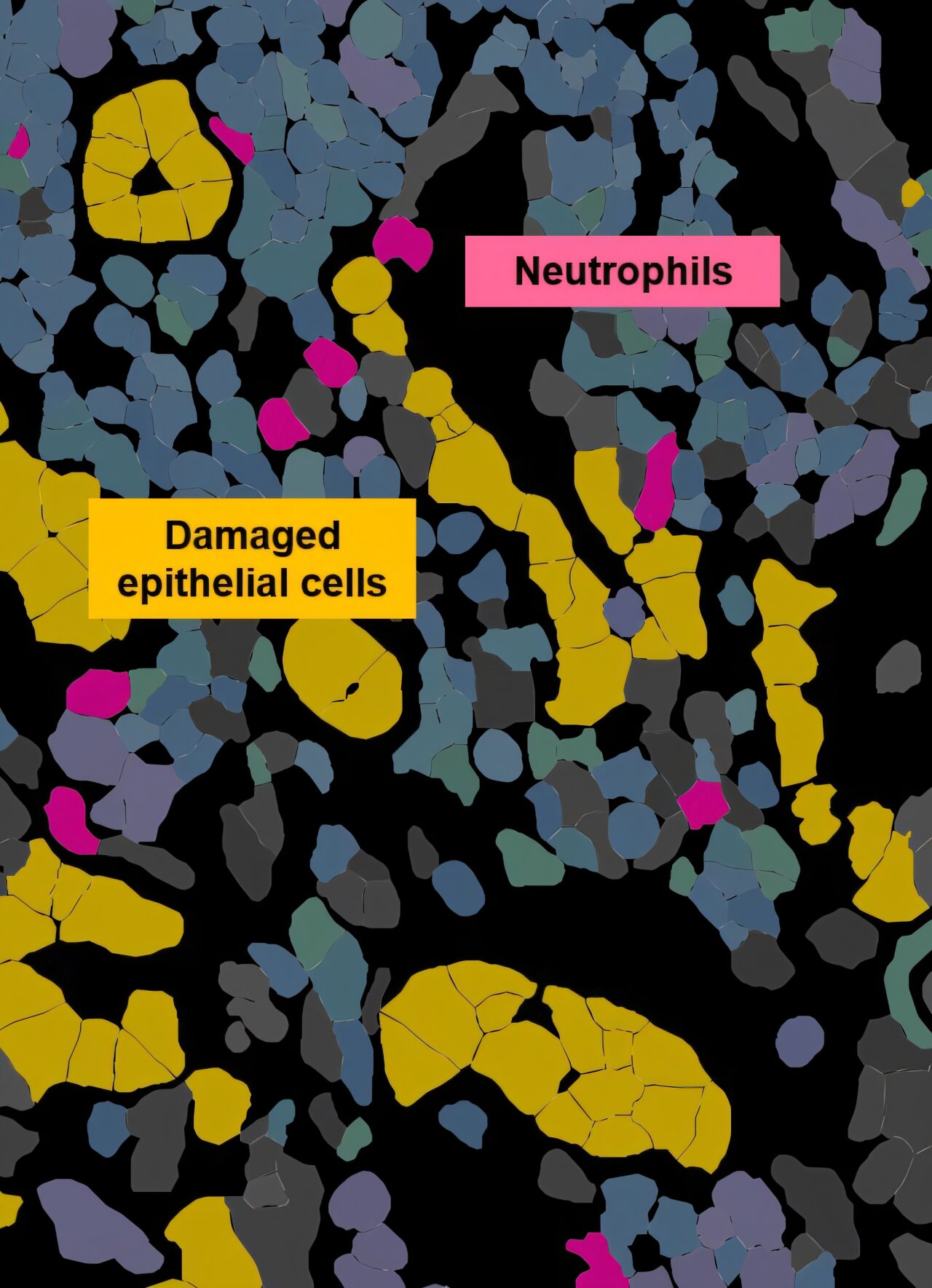
Now, researchers from the University of Osaka have uncovered the first steps in the development of ANCA-associated glomerulonephritis. The researchers found that injured kidney cells send signals that attract immune cells, including neutrophils, which drive the spread of inflammation in the early stages. The findings are published in the Journal of Experimental Medicine.
Despite improvement in treatment options, current treatments for ANCA-associated glomerulonephritis carry risks ranging from side effects of prolonged use to treatment failure. Targeted treatments could offer better health outcomes for patients. However, to do so, researchers would need to clarify how the disease process starts to tackle the problems head-on.
"In ANCA-associated glomerulonephritis, the kidneys are frequently involved," explains lead author Masayuki Nishide. "This makes it an excellent candidate for studying the initial steps of the autoimmune disease process."
The researchers compared kidney samples from healthy donors and from patients with ANCA-associated glomerulonephritis who did not receive treatment. Using cutting-edge technology, they studied the sequence of events in disease progression while preserving cellular organization in the tissue samples.
Source link