This article has been reviewed according to Science X's editorial process and policies. Editors have highlighted the following attributes while ensuring the content's credibility:
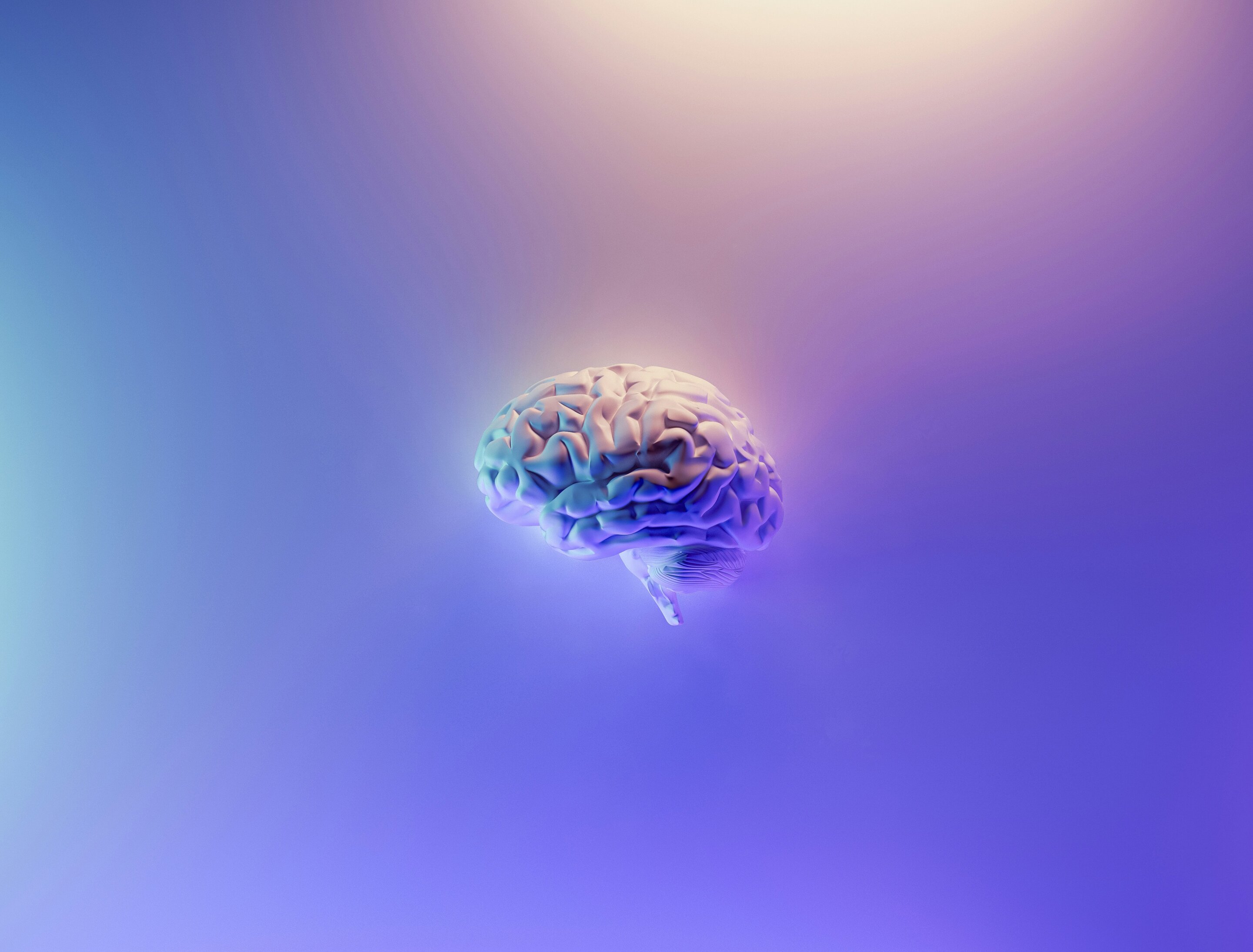
Squishy, wrinkled, weighing about as much as a cantaloupe, the brain may not be much to look at from the outside. Yet with a network of roughly 86 billion neurons, it generates more impulses daily than all the smartphones on the planet combined.
Scientists can track all that activity with scans. But what does a well-balanced brain actually look like?
Spoiler alert: New research says there's no universal signature of mental health—or illness.
"A lot of the work in neuroscience is trying to identify some kind of universal biomarker," said Northeastern University London researcher Haily Merritt. To do this, scientists use techniques like functional magnetic resonance imaging (fMRI), which measure changes in blood oxygen levels.
In a recent study, published in Neuroscience & Biobehavioral Reviews, Merritt and her colleagues argue that scans look different depending on how a person's social relationships have shaped their brain activity. Behaviors that let someone cope in one environment may prove unhelpful in another context, leaving unique neural traces that make the search for a universally "healthy brain" a perpetual wild-goose chase.
For example, a certain pattern could reflect a useful adaptation in a person lacking strong support but might signal avoidance in someone with a solid crew.
The insights point clinicians toward better treatment strategies and improved diagnosis by helping them distinguish illness from learned ways of coping while addressing the patient's sources of distress in a way that prevents symptoms from returning.
Source link