This article has been reviewed according to Science X's editorial process and policies. Editors have highlighted the following attributes while ensuring the content's credibility:
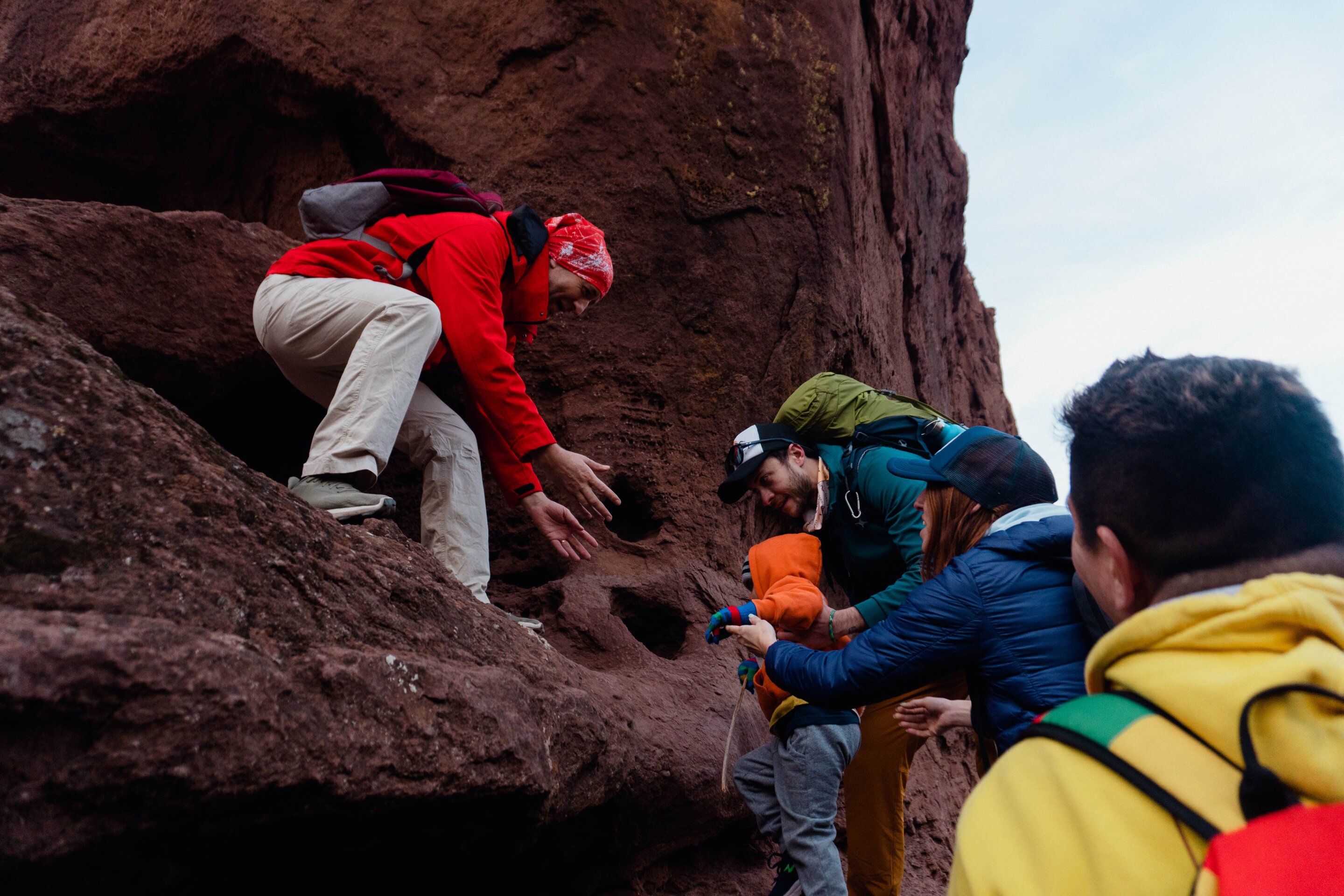
Much of what we know about the world comes from experiences we have never had ourselves. A child observes how a parent reacts to a situation, which influences their own future actions. Someone becomes more cautious after seeing another person in danger.
Learning by watching others is an important part of how social species navigate the world. Yet scientists still know relatively little about how the brain turns witnessing what happens to somebody else into our own memories. New research led by researcher Frédéric Michon Linde at Valeria Gazzola's and Christian Keysers' Social Brain Lab provides insight into how this process may work. The researchers studied how rats learn by observing the experiences of others.
"A lot of what we learn, especially as social species, does not come from our own direct experiences, but from observing what happens to others," says Michon Linde. "That is a very efficient way to learn. You can learn to avoid danger without having to experience it yourself."
"If you see someone slip and fall at a particular street corner in the winter, you learn to avoid that corner. We already knew that seeing someone else in pain triggers a feeling of pain in the observer, but in humans we couldn't understand what in the brain transformed this empathic sharing into a spatial map with a label 'danger' in a particular location," explains Keysers.
Source link