This article has been reviewed according to Science X's editorial process and policies. Editors have highlighted the following attributes while ensuring the content's credibility:
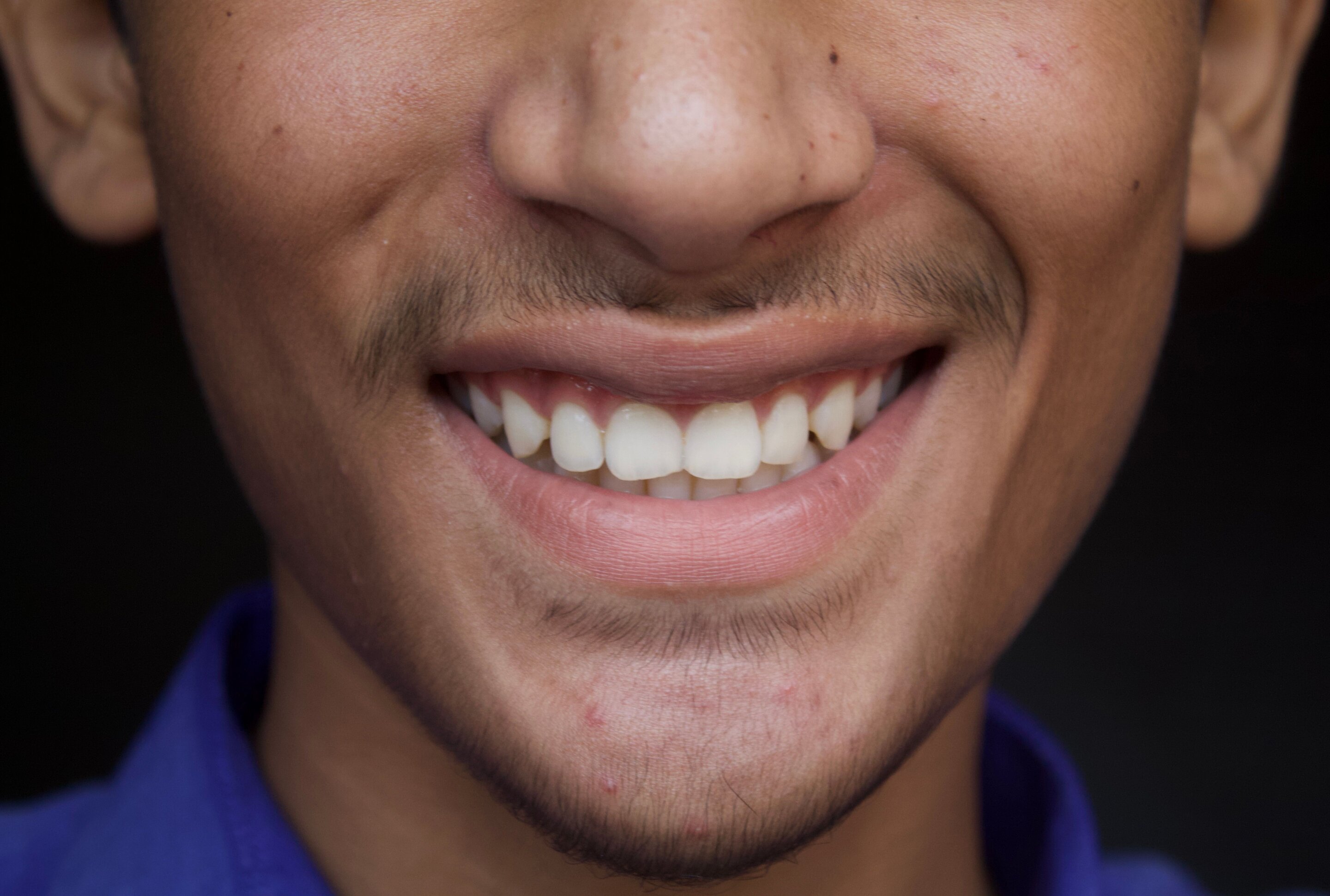
Rare variants in a gene involved in early development have been linked to a range of dental differences in people, including missing teeth, unusual tooth shapes and teeth present at birth. By studying changes in the same gene in mice and chickens, researchers have also uncovered clues to how differences in tooth number and shape evolved across species, including how birds may have lost their teeth.
The study, published in Proceedings of the National Academy of Sciences, was led by an international team of researchers including scientists from King's College London. A variety of changes in tooth number, shape and size in 24 patients were linked to changes in a gene called C2CD3. Loss of C2CD3 in mice could mimic many of these dental changes, highlighting how this gene helps control tooth development in different species.
Abigail Tucker, professor of development and evolution at King's College London, said, "This paper was a great team effort, combining analysis of patients with tooth defects with an understanding of the mechanisms leading to these defects in mice. It was exciting to see that, like the patients, the mice had both extra and missing teeth in different parts of the jaw."
"This research will help us to understand why tooth defects occur, helping to refine treatments for those patients with complex dental problems."
C2CD3 helps build tiny structures inside cells called primary cilia, which act like antennae, allowing cells to receive and process signals that guide development.
Source link