This article has been reviewed according to Science X's editorial process and policies. Editors have highlighted the following attributes while ensuring the content's credibility:
At a clinic in South Africa, researchers have identified airborne ESKAPE bacteria that survive most antibiotic medicines. The clinic is in a densely populated inner-city area.
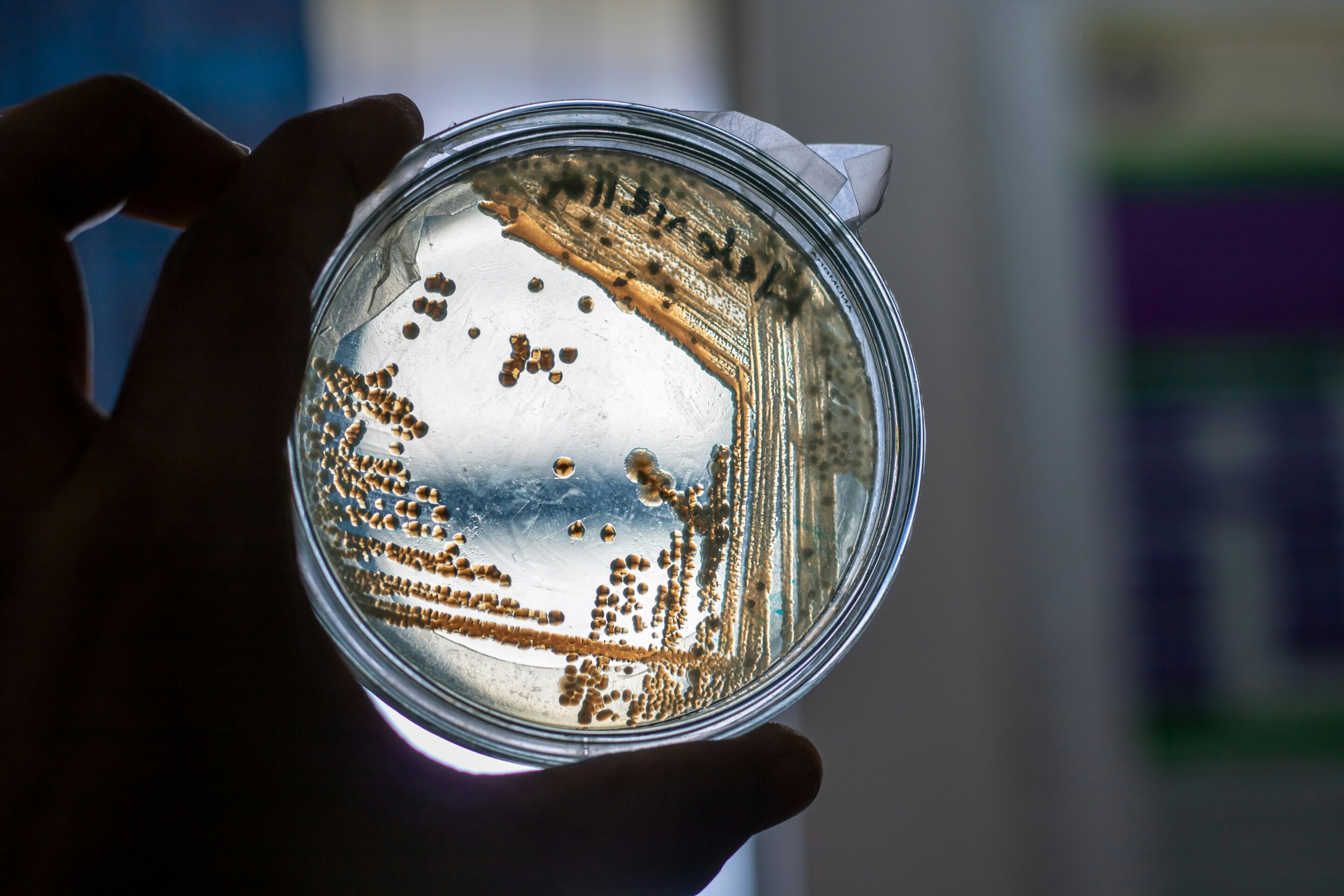
Researchers from the University of Johannesburg (UJ) published the study in Indoor Air. They sampled air in the clinic and identified bacteria found in the air. Then they tested how these bacteria survive exposure to antibiotic medicines.
They found that a wide variety of dangerous ESKAPE bacteria from the clinic successfully resist first-line drugs. Many are also highly resistant to multiple first-line drugs. Some already resist drugs reserved for use when nothing else is effective.
"The high HIV and TB infection rates in South Africa increase the risk of lower respiratory tract infections (LRIs) caused by these bacteria," says Dr. Lee Heine, the lead author of the study.
The bacteria found in the clinic's air cause LRIs such as bronchitis, bronchiolitis and pneumonia. They can cause community-acquired, hospital-acquired and ventilator-associated pneumonia.
"All these infections can be fatal. This is because ESKAPE bacteria tend to be multidrug-resistant or even extensively drug-resistant," adds Heine.
"If patients are already immunocompromised, then the risk of death due to pneumonia caused by a multidrug-resistant strain of one of these bacteria increases, as they are likely to spread to the bloodstream and cause sepsis."
Heine is a researcher at the Water and Health Research Center within the UJ Faculty of Health Sciences.
Source link