This article has been reviewed according to Science X's editorial process and policies. Editors have highlighted the following attributes while ensuring the content's credibility:
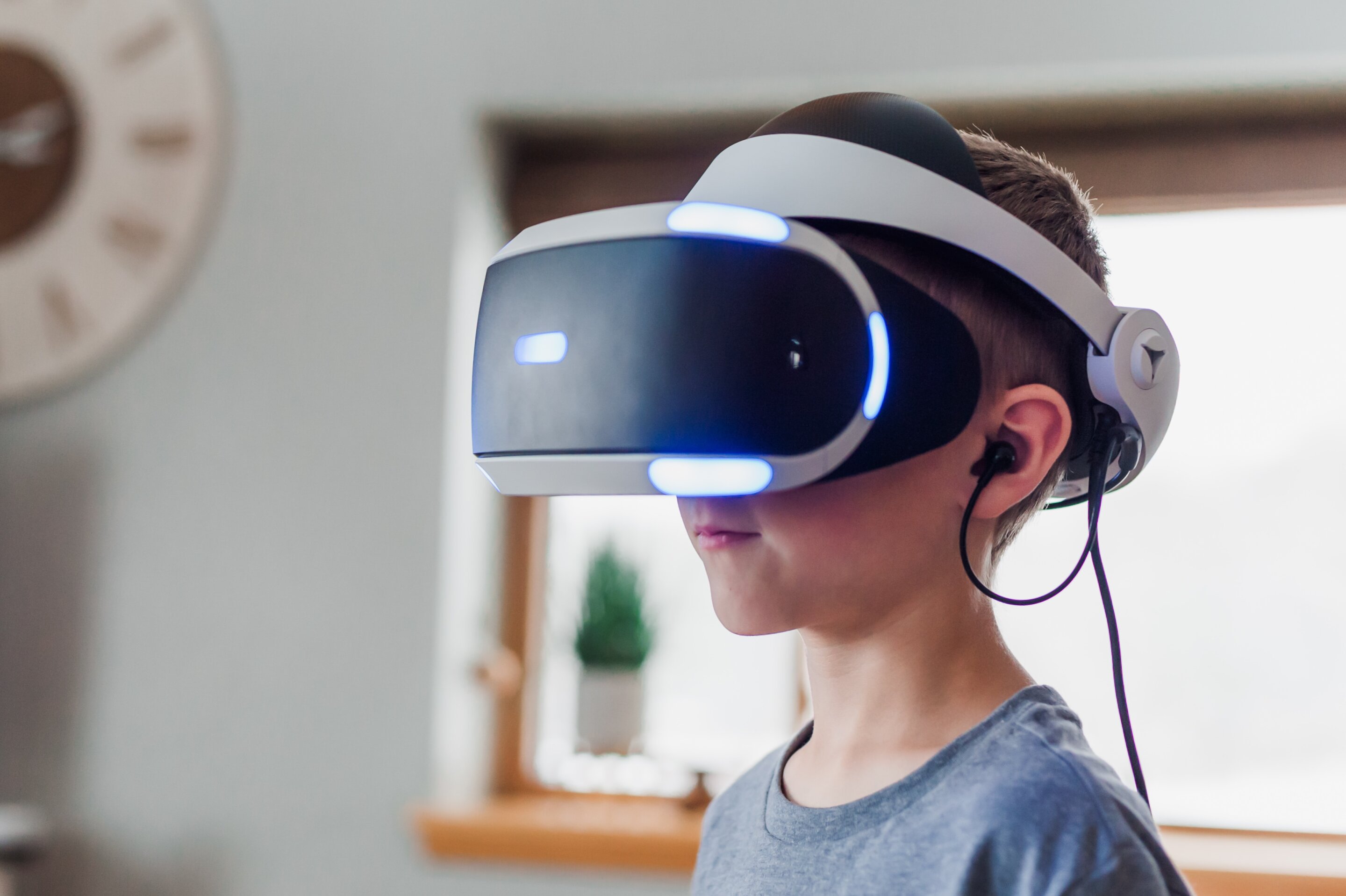
Virtual reality (VR) extends beyond gaming and is proving to significantly reduce both pain and anxiety experienced by children undergoing painful procedures in emergency departments.
Griffith University researchers conducted a systematic review and meta-analysis of 16 studies involving 1,929 participants, including 905 children using VR, 766 in a control group and 258 in an active-comparison group.
Bronwyn Griffin, a professor at Griffith's School of Nursing and Midwifery, said procedural pain and anxiety remained a common challenge in pediatric emergency care.
"VR provides an engaging distraction and can help children cope during stressful procedures without requiring medication," Griffin said.
"Emergency department treatment mostly included needle-related procedures, including intravenous cannulation, blood collection, vaccinations and other injections, as well as laceration repairs and wound closures."
The study found VR significantly reduced children's self-reported peak procedural pain compared with routine care and reduced pain compared with other active interventions or distraction methods.
Children also reported significantly lower anxiety and fear when using VR, with caregivers also reporting improvements in their child's pain and anxiety levels.
"The findings support VR as an effective, nonpharmacological option that can complement standard clinical care, making emergency care less traumatic for children and their families while improving the overall patient experience," Griffin said.
"We should be looking at all options to improve their care while at the same time lowering their pain levels, fear and anxiety."
Source link