This article has been reviewed according to Science X's editorial process and policies. Editors have highlighted the following attributes while ensuring the content's credibility:
The beauty of physics at the cellular scale is part of what draws biomedical engineers and biologists like us to the field of mechanobiology: the study of how physical forces influence biology.
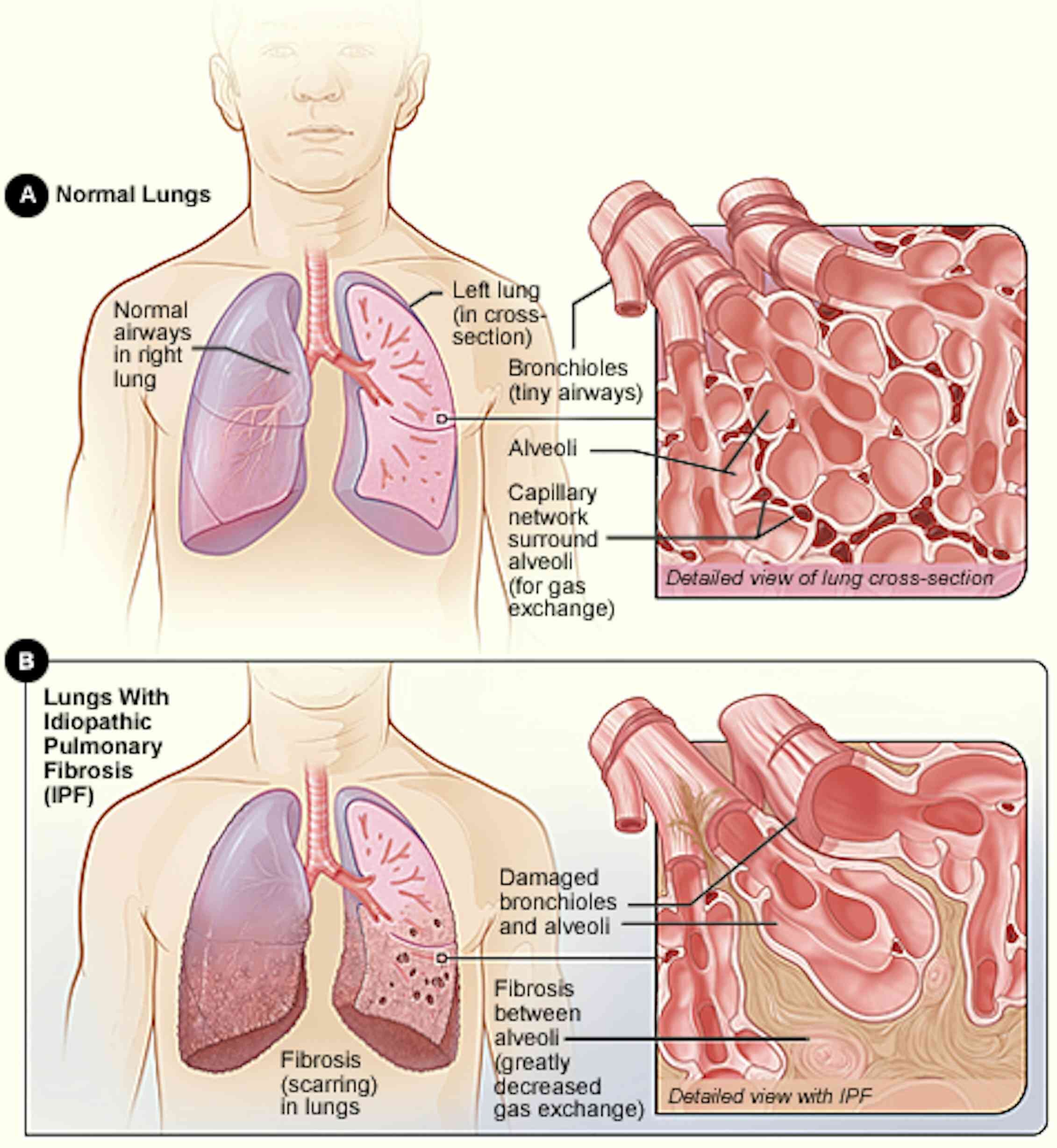
Physics holds relevance everywhere. You can see physics at work in how the cells lining your veins and arteries feel the flow of your blood, the cells of your spinal disks carry the weight of the vertebrae surrounding them and the cells of your lung cyclically stretch with every breath.
If each building block of the body experiences some combination of these physical forces, then the viruses that infect them must contend with a variation of those forces, too. How viruses interact with these forces affects how well they can infect cells and cause severe illness.
When microscopic virus particles enter the body, they rely upon the mechanical machinery of the cells they infect to continue their life cycle.
Many viruses will first latch onto receptors on the cell's surface. Movement of the cell's membrane—driven by its internal cytoskeleton—will bend and wrap around the invading particle, pinching off a tiny bubble that carries it inside. In this process of endocytosis, the cell swallows the virus.
Once inside, the virus is shuttled along the cell's internal scaffolding. It releases its genetic material and hijacks the cell's machinery to make copies of itself.
Source link