This article has been reviewed according to Science X's editorial process and policies. Editors have highlighted the following attributes while ensuring the content's credibility:
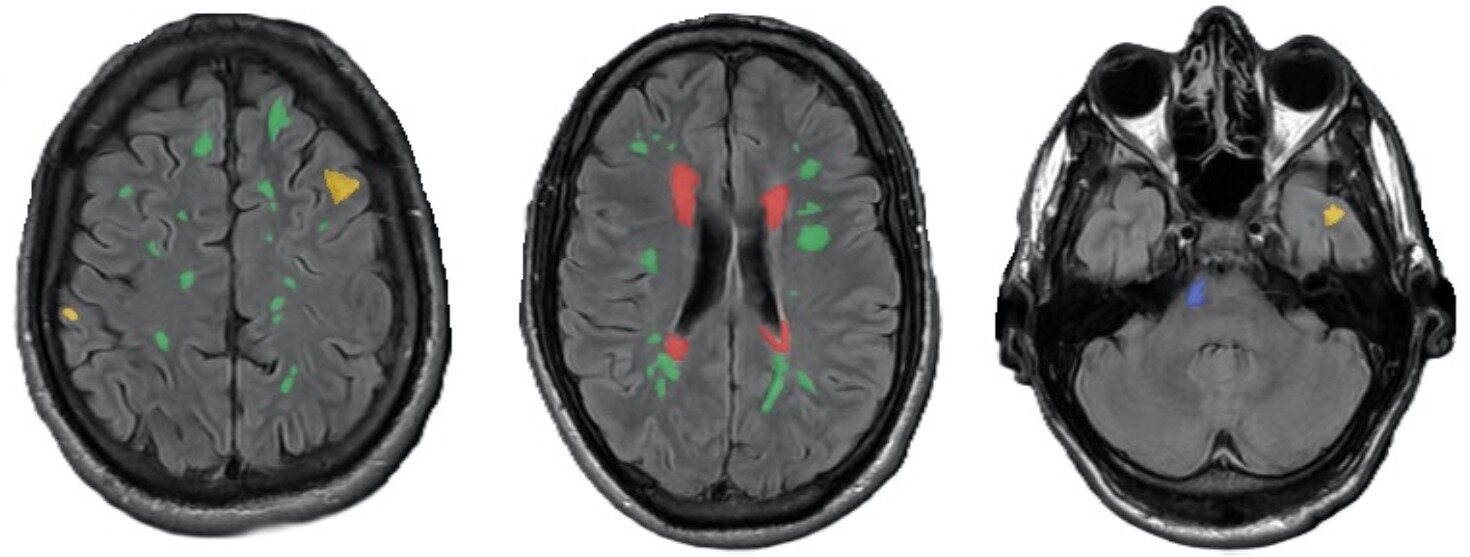
Researchers from the joint Biomedically-Informed AI Laboratory of Skoltech (a VEB.RF Group institution) and the University of Sharjah and their colleagues have improved the performance of computer vision algorithms that look for signs of epilepsy and multiple sclerosis on brain MRI scans. Rather than merely analyzing an image as a set of pixels, the neural network now also attends to medical features known to physicians. This is complemented by the machine's capability to spot subtle details that elude the human eye. In the future, such solutions will help doctors diagnose diseases and select treatment strategies.
The study was published in the proceedings of the 29th International Conference on Medical Image Computing and Computer Assisted Intervention (MICCAI 2026), held in Strasbourg, France, from Sept. 27 to Oct. 1.
Computer vision algorithms are already fairly good at detecting signs of drug-resistant epilepsy and multiple sclerosis in medical images. This gives hope that neural networks will soon be able to assist radiologists in this work, thereby speeding up the analysis and relieving the doctors of some of their workload, while also improving the detection rate. About 30% of cases of epilepsy alone are currently deemed "MRI-negative": The doctor does not see signs of the disease on the scan, but the machine can.
One of the main difficulties, though, is that existing models are geared toward detecting the typical presentation of the disease.
Source link