This article has been reviewed according to Science X's editorial process and policies. Editors have highlighted the following attributes while ensuring the content's credibility:
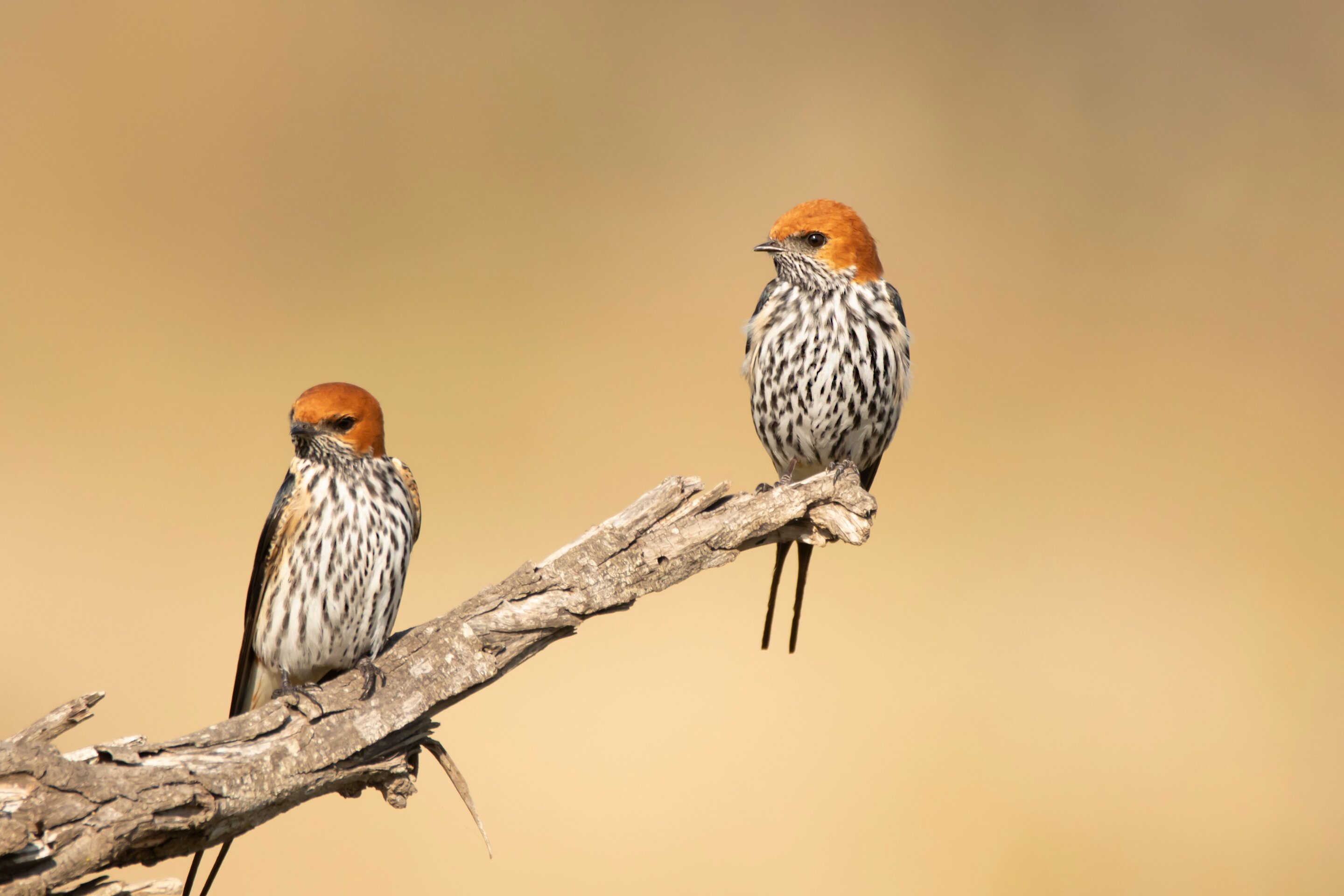
On the wooded University of Montana campus, resident Cooper's hawks are helping people recover from stroke.
Each summer, stroke survivors enrolled in UM's Intensive Comprehensive Aphasia Program take part in community- and curiosity-driven bird-related activities.
Birding provides a natural, low-pressure setting that encourages communication through shared attention and curiosity. Bird researchers and speech-language experts offer the activities through UM's Big Sky Aphasia Program.
"The linguistic demand is low, and people can participate at whatever level they want," said Dr. Jenna Musick, co-director of the program.
With research about the program now published in the journal Frontiers in Bird Science, the team is focused on measuring outcomes, training clinicians and expanding the model so similar programs can benefit stroke survivors with aphasia beyond Montana.
The partnership began in 2021 on an outdoor campus patio. ICAP participants expressed an interest in learning more about owls as part of their rehabilitation activities. Owl artifacts, including preserved specimens and related materials, sparked participants' curiosity and created opportunities to practice conversation.
The activity evolved into an ongoing collaboration between Dr. Victoria Dreitz, an avian ecologist in UM's Wildlife Biology Program, and Musick and Catherine Off, researchers in the School of Speech-language, Hearing and Occupational Sciences who are campus experts in stroke rehabilitation and research.
From owl artifacts to nesting Cooper's hawks, the partnership has grown into an essential component of the UM birding program, with avian observation demonstrating how nature experiences support communicative participation, engagement and quality of life for people with aphasia.
Source link