This article has been reviewed according to Science X's editorial process and policies. Editors have highlighted the following attributes while ensuring the content's credibility:
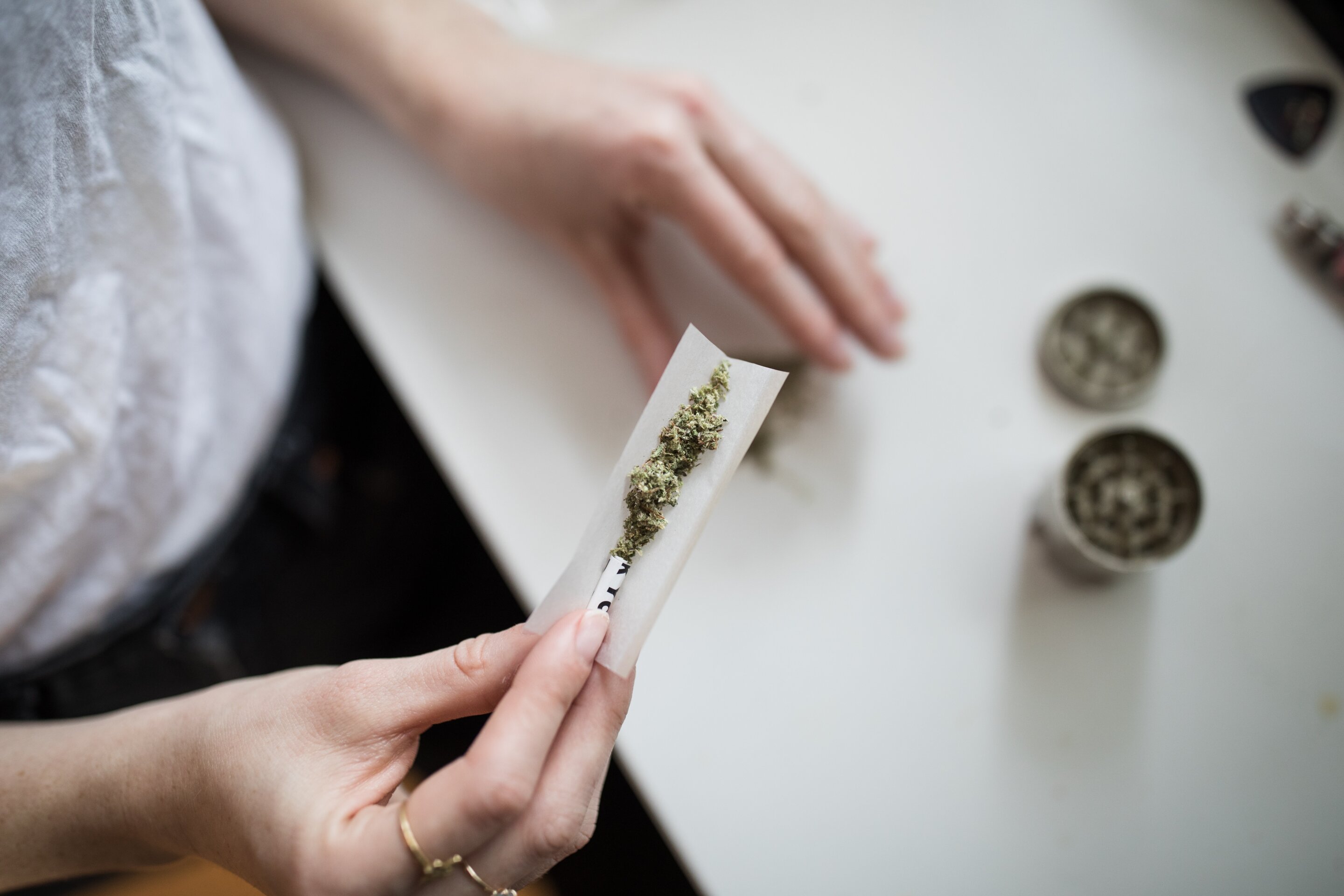
Patients who smoke or vape cannabis may need more anesthesia during an upper endoscopy than those who use edibles or do not use cannabis, according to a new study presented at the Anesthesiology 2026 annual meeting.
The study suggests "not all cannabis is equal" when it comes to sedation during procedures and that the route of cannabis use may matter for anesthetic planning.
"The most important message for patients is to be honest with their anesthesiologist about cannabis, including how they use it—smoking, vaping or edible products—how often they use it and when they last used it," said Basavana Goudra, M.D., FCARCSI, FRCA, FASA, lead author of the study and an anesthesiologist at Sidney Kimmel Medical College in Philadelphia.
"For physicians, simply asking, 'Do you use cannabis?' may no longer be sufficient."
The study authors, who included Katherine Green from Johns Hopkins University in Baltimore and Ankitha Jagadeesh from Rutgers University in New Brunswick, New Jersey, reviewed 280 gastrointestinal endoscopic procedures (i.e., colonoscopies and upper endoscopies) at a single center.
The analysis included 264 patients with complete information about their cannabis use: 217 nonusers, 38 who reported inhaled use and nine who reported oral use, such as gummies or other edibles.
When the researchers looked at all cannabis users together, they found no significant difference in the initial propofol dose compared with nonusers. But when they separated patients by how they used cannabis, a sharper pattern emerged.
Source link