This article has been reviewed according to Science X's editorial process and policies. Editors have highlighted the following attributes while ensuring the content's credibility:
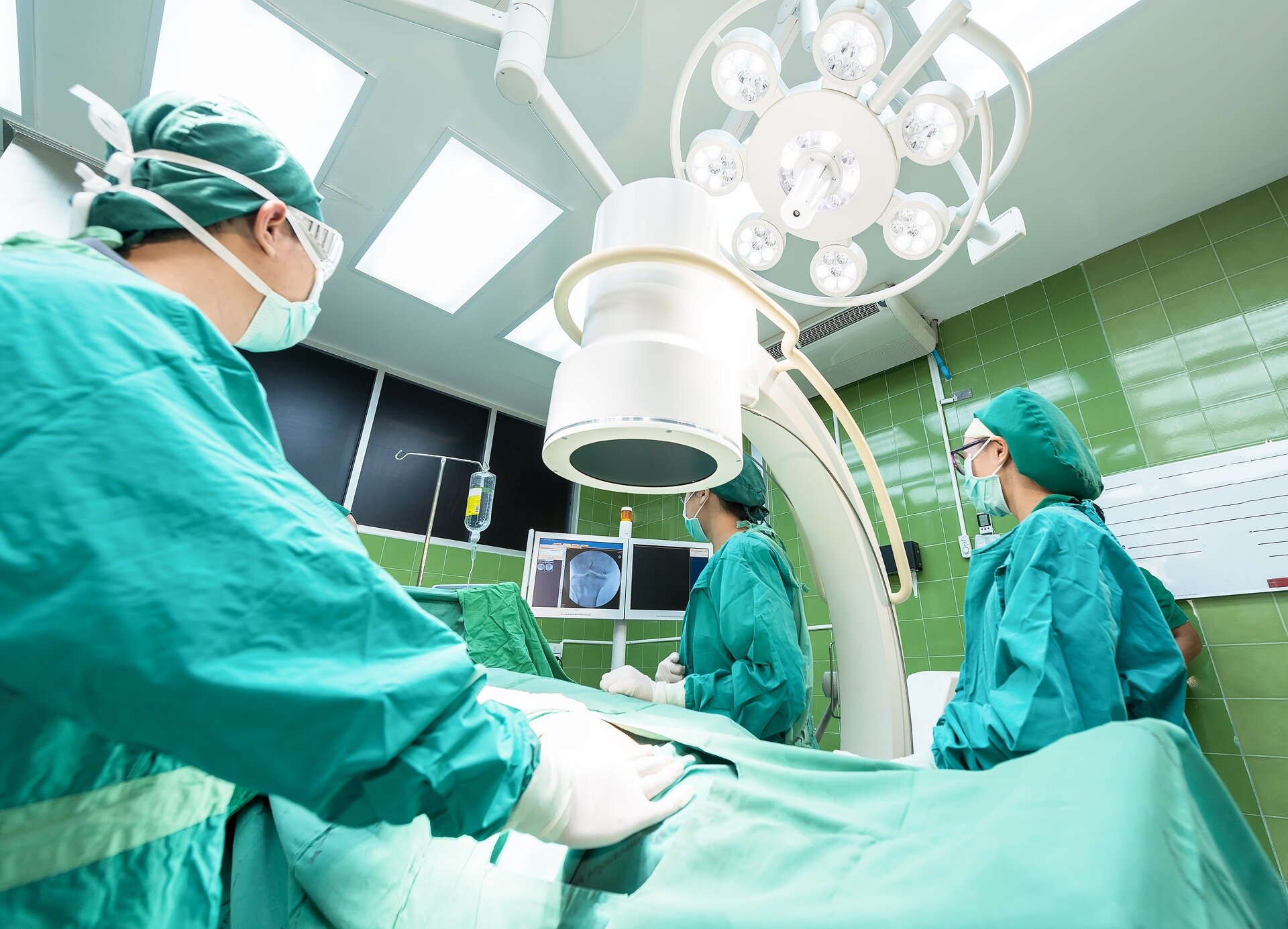
Hospitals can sharply reduce the climate impact and cost of surgery without compromising patient safety by changing routine anesthesia practices, including reducing the use of high-emission anesthetic gases, suggests a new study presented at the ANESTHESIOLOGY 2026 annual meeting.
Health care is a major contributor to greenhouse gas emissions, and operating rooms are among the most resource-intensive areas of hospitals. Some inhaled anesthetic gases, particularly desflurane and nitrous oxide, are potent greenhouse gases that trap heat in the atmosphere and may contribute to climate change and the carbon footprint of operating rooms.
"Our findings show that hospitals can take meaningful steps to reduce the environmental impact of surgery without compromising safety or quality," said Etta Hanlon, M.S., lead study author and a researcher at Virginia Tech Carilion School of Medicine, Roanoke.
"By making practical changes in anesthetic selection, reducing waste and giving anesthesiologists clear feedback, we reduced emissions and costs while maintaining strong patient outcomes."
The findings suggest that greener anesthesia does not require costly technology. The six-site academic health system encouraged greater use of sevoflurane and intravenous anesthesia, reduced fresh gas flow rates to minimize waste and provided anesthesiologists with feedback on their emissions.
, chair of the Department of Anesthesiology at Carilion Clinic and associate professor at the Virginia Tech Carilion School of Medicine, Roanoke, helped establish the clinician feedback effort, including individualized emissions reports to support informed clinical decision-making.
Source link