This article has been reviewed according to Science X's editorial process and policies. Editors have highlighted the following attributes while ensuring the content's credibility:
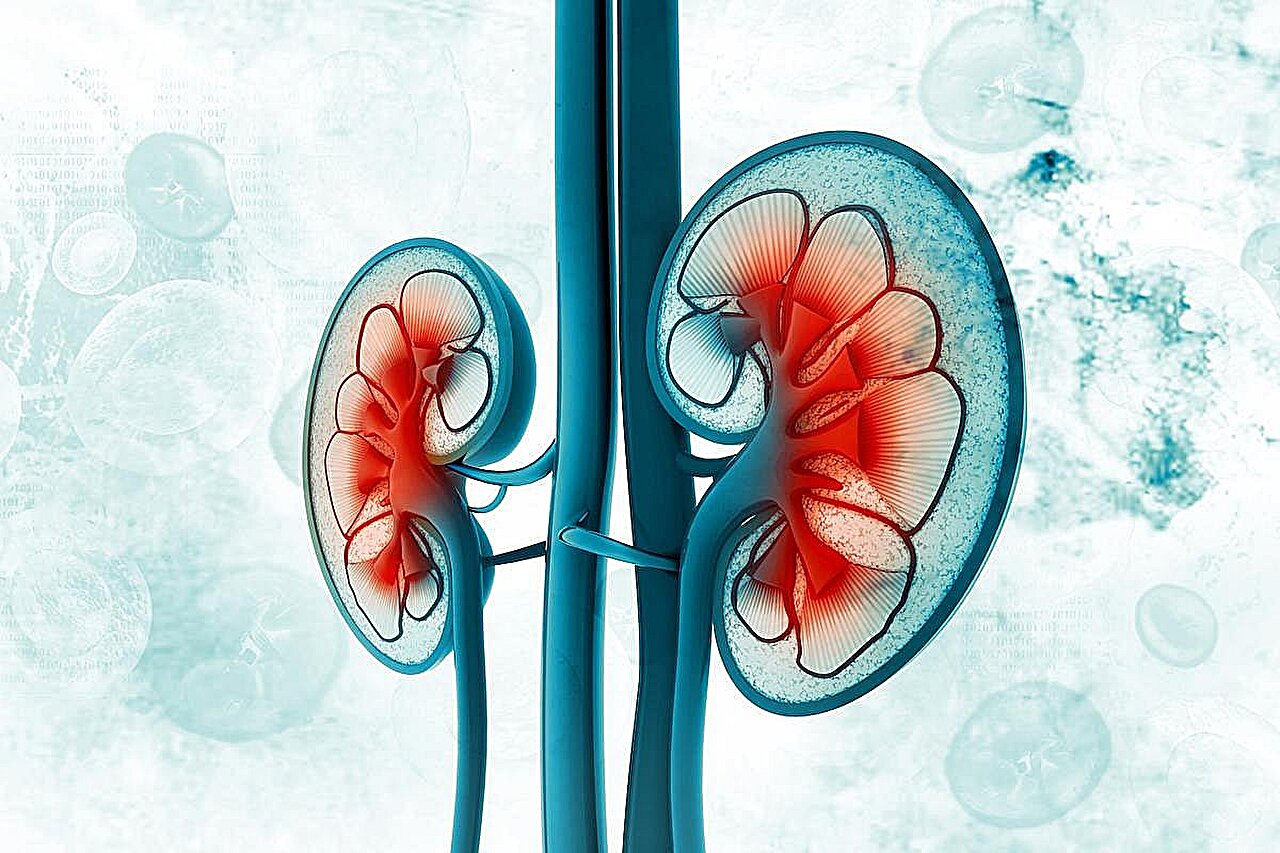
In a cohort of patients with chronic kidney disease (CKD), urinary albumin-creatinine ratio (UACR) and urinary protein-creatinine ratio (UPCR) provide clinically indistinguishable prognostic information for kidney and cardiovascular outcomes, according to a research letter published online Sept. 23 in the Journal of the American Medical Association.
Ashish Verma, M.B.B.S., from the Boston University Chobanian & Avedisian School of Medicine, and colleagues analyzed 3,742 Chronic Renal Insufficiency Cohort Study participants with paired UACRs and UPCRs from aliquots of the same 24-hour collection at the baseline visit. During a median follow-up of 15.0 years, they assessed kidney failure, CKD progression and a composite of myocardial infarction, stroke or heart failure hospitalization.
The researchers found that kidney failure occurred in 32.3%, CKD progression in 39.6% and the cardiovascular composite in 31.5% (34.3, 56.8 and 35.7 per 1,000 person-years, respectively). Log-transformed UACRs and UPCRs were strongly correlated.
Cause-specific hazard ratios for kidney failure were 3.00 and 2.75 for UACR and UPCR, respectively, per standard deviation. There was minimal difference in discrimination, with a 5-year time-dependent area under the curve (AUC) of 0.894 and 0.899 for UACR and UPCR, respectively. The change in AUC was less than 0.01, and the change in integrated discrimination improvement was less than 0.02 across all three outcomes at five and 10 years.
"These analyses emphasize that the UACR and UPCR offer virtually indistinguishable risk prediction for clinical decision-making and that either marker is valuable," the authors write.
Source link