This article has been reviewed according to Science X's editorial process and policies. Editors have highlighted the following attributes while ensuring the content's credibility:
With around 75,000 new cases per year, breast cancer is by far the most common cancer among women in Germany. Using digital breast tomosynthesis in the breast cancer screening program could prevent around a quarter of invasive interval cancers that occur within two years after a digital mammogram.
In the first year following a normal screening result, the rate of invasive breast cancer diagnoses was 29% lower in the tomosynthesis group than in the mammography group. These were the findings of the "TOSYMA" study, the largest comparative study of the two diagnostic methods conducted worldwide to date.
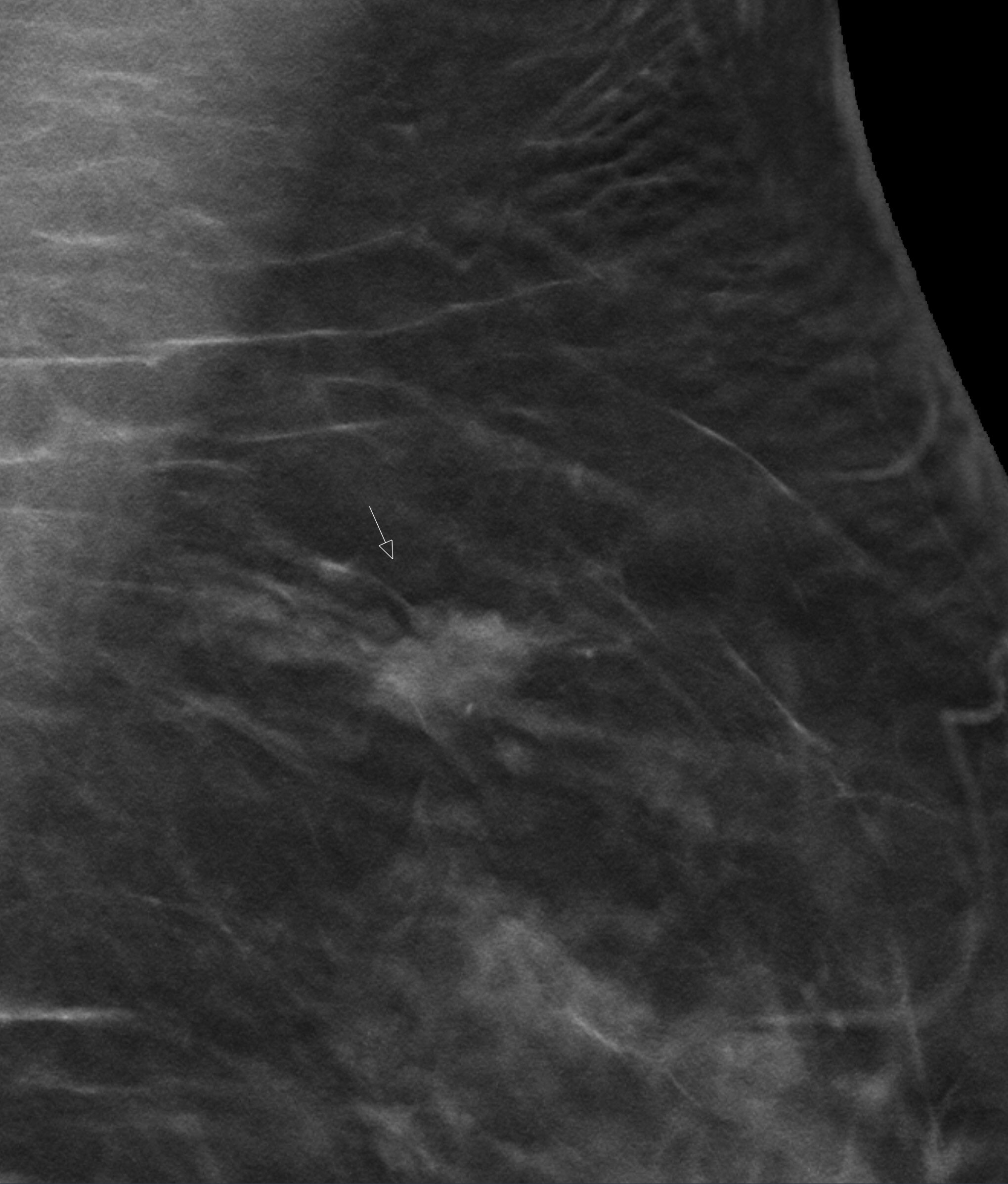
In tomosynthesis, several images are taken from different angles using low-dose X-rays. Cross-sectional images of the breast with a thickness of up to one millimeter can be reconstructed from these images. Consequently, signs of a tumor are less likely to be obscured by overlying tissue.
The findings were published in the journal The Lancet Oncology by a research team from the University of Münster and the University Hospital Münster (UKM) in collaboration with other partners.
When breast cancer is diagnosed between regular screening appointments, experts describe it as "interval cancer." These tumors tend to be more aggressive and have a poorer prognosis than those detected during screening. Therefore, experts use them as a proxy measure for the effectiveness of early detection.
8 per 1,000 women screened.
Source link