This article has been reviewed according to Science X's editorial process and policies. Editors have highlighted the following attributes while ensuring the content's credibility:
When it comes to blood clots, it is not only how they form that is crucial, but also how the body can break them down again. A team of researchers at the University of Koblenz, led by Prof. Dr. Marie-T. Hopp, has demonstrated that heme—a component of hemoglobin—can influence this process. The findings, published in the International Journal of Biological Macromolecules, provide a new molecular approach to better understanding the link between hemolysis and an increased risk of thrombosis.
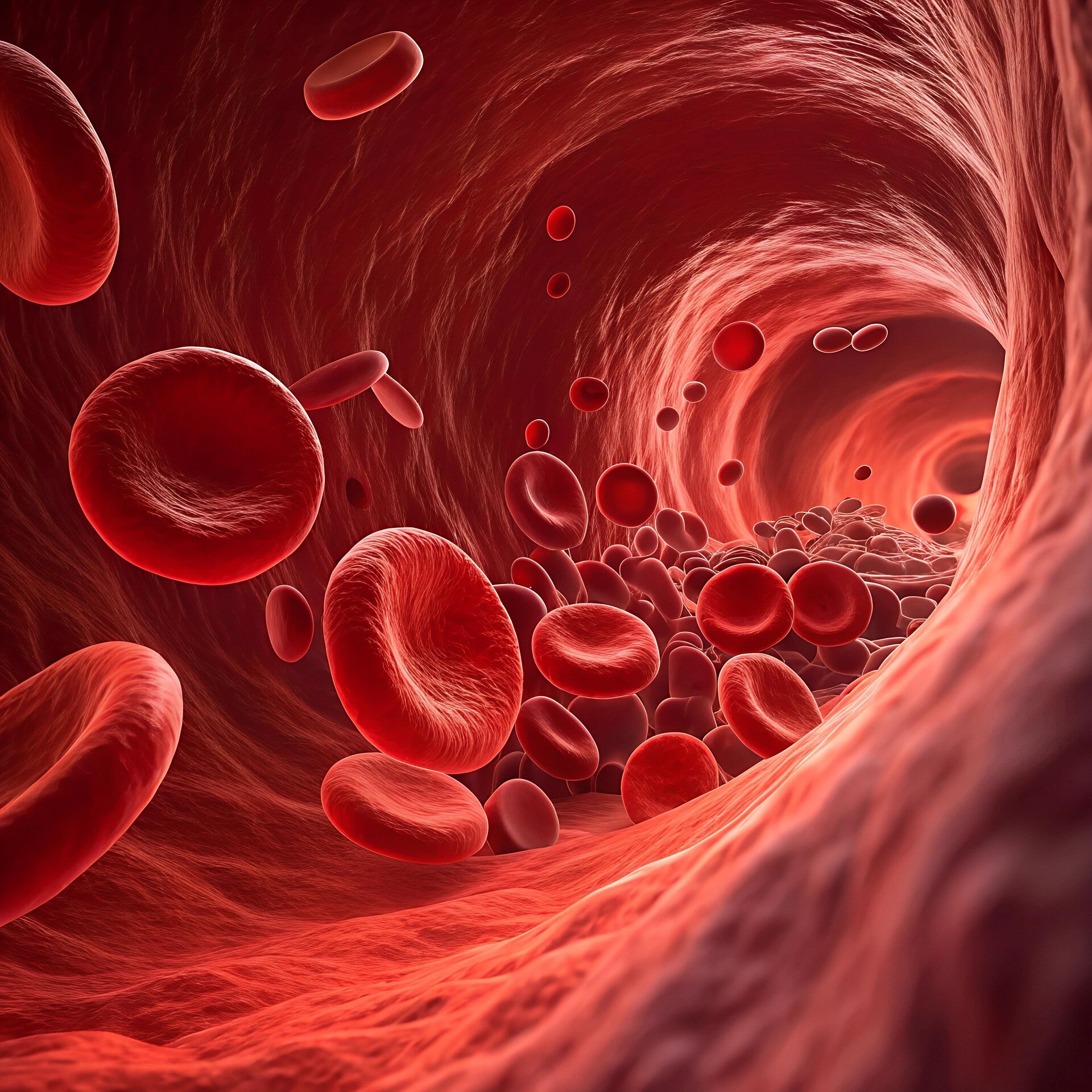
Blood clots help to stop bleeding. To ensure that they do not subsequently block blood vessels permanently, they must be broken down. This process is known as fibrinolysis. During this process, the enzyme plasmin breaks down the stabilizing protein network of the clot—known as fibrin—thereby enabling it to dissolve.
In certain diseases, red blood cells are destroyed at an increased rate. This process is known as hemolysis. During this process, labile heme can be released into the blood—an iron-containing component of hemoglobin that can interact with other proteins and influence their function.
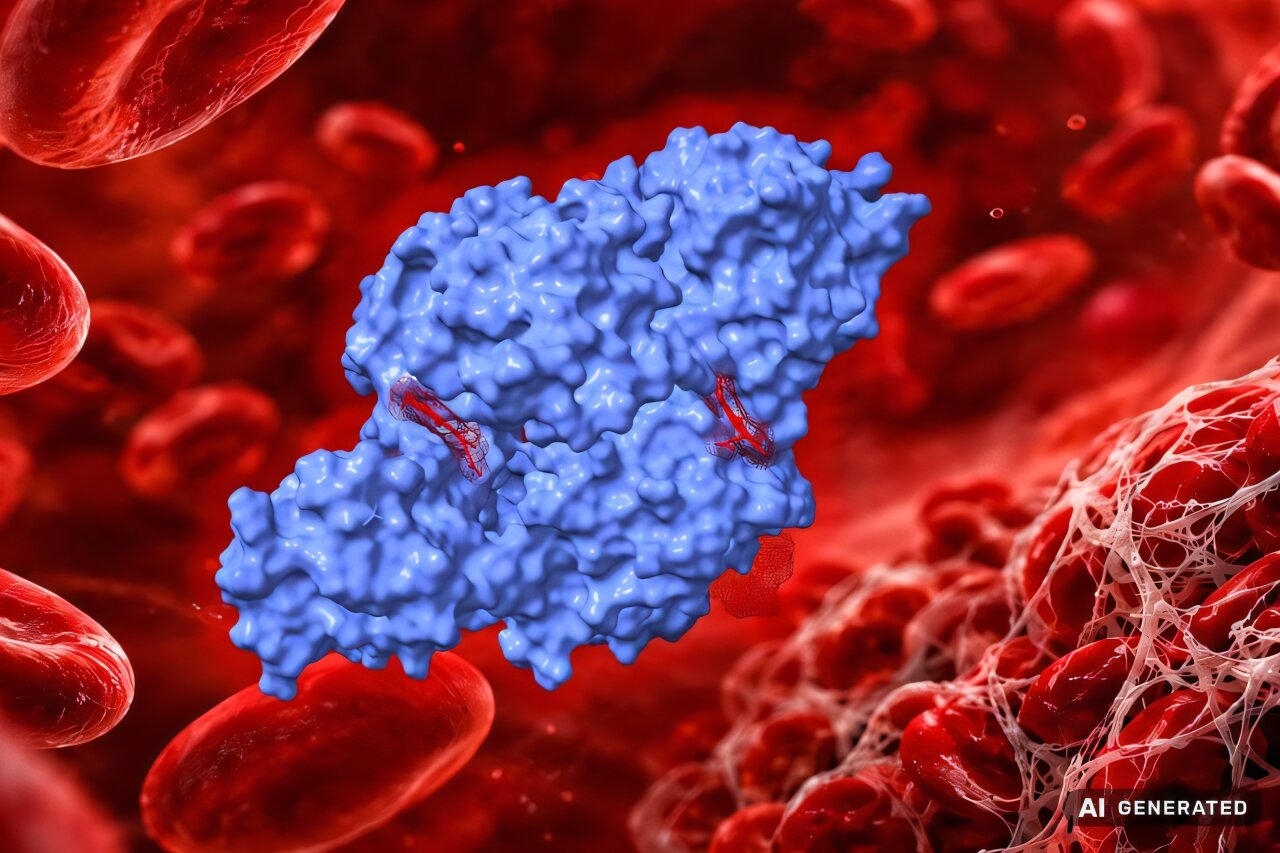
Four female researchers at the University of Koblenz have now discovered that plasmin also binds heme with high affinity.
"We were able to demonstrate for the first time that plasmin binds heme with high affinity. Building on this, we investigated the effects of this strong interaction on fibrinolysis, that is, the natural breakdown of blood clots.
Source link