This article has been reviewed according to Science X's editorial process and policies. Editors have highlighted the following attributes while ensuring the content's credibility:
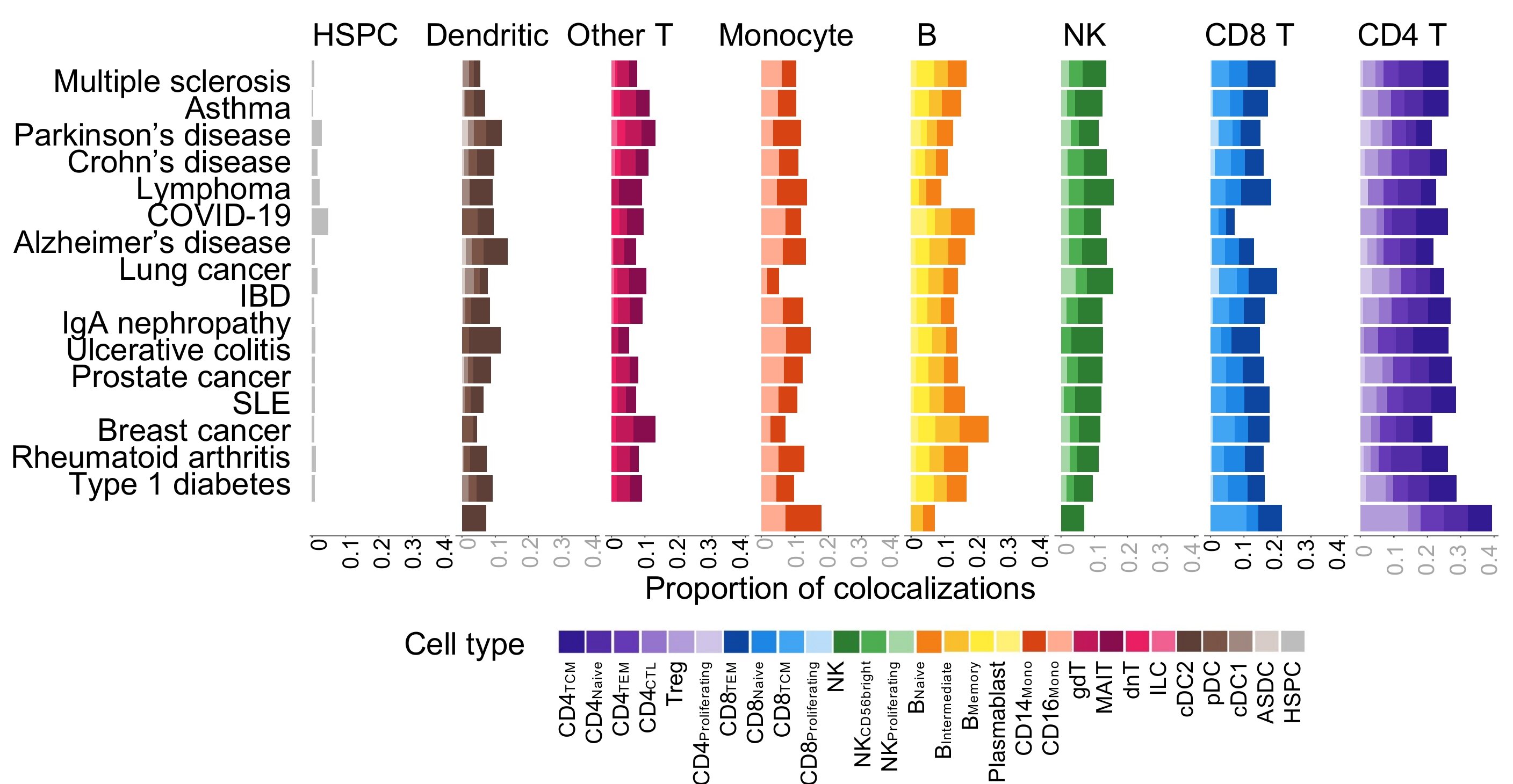
In three studies published in Nature today, Australian researchers have made advances in our understanding of how genetic differences between people influence disease. The team from the Garvan Institute of Medical Research, in collaboration with the Murdoch Children's Research Institute, UNSW and other partners, linked genetic risk regions for 16 diseases to possible causes in specific immune cells, identifying nearly 1,500 genes that may contribute to a range of diseases. These discoveries are set to accelerate drug development and precision medicine across many diseases, ranging from cancers to immune and neurological conditions.
The work is the first major output of the TenK10K project, which seeks to map genetic variation and gene activity in immune cells from 10,000 people.
"With our findings, we've gone from understanding very few to thousands of the potential causal mechanisms connecting genetic variation to disease risk, which is huge," said Joseph Powell, director of the Translational Genomics Program at Garvan, director of the UNSW Institute for Genomics and Health and senior co-author on all three papers.
"This is a fundamental shift in what's possible. When you know which genetic variant is driving a disease—and in which cell, through which mechanism—you can start to identify patients who are likely to respond to a particular treatment, and develop drugs toward targets we didn't know existed."
Daniel MacArthur, co-senior author on two of the three papers and director of the Centre for Population Genomics, a collaboration between the Garvan Institute and Murdoch Children's Research Institute, adds, "This is the most detailed map to date of how genetic variation shapes the immune system.
Source link