This article has been reviewed according to Science X's editorial process and policies. Editors have highlighted the following attributes while ensuring the content's credibility:
More than 120,000 people in the U.S. are living with acute lymphoblastic leukemia (ALL), and 6,000 new cases are diagnosed each year. Of those, more than 3,500 will be in children. Responsible for 75% of all pediatric leukemia diagnoses, ALL is a rapid-onset blood cancer, preventing the body from producing mature, infection-fighting white blood cells, sometimes within a matter of months.
ALL requires immediate treatment, often a combination of chemotherapy, targeted therapy, immunotherapy and bone marrow transplants—but clinicians today have no way of knowing how specific drug combinations and dosages will impact the patient, or whether the treatment will be successful.
Currently, treatment strategies incorporate some degree of personalization based on leukemia subtype and risk classification. Despite this, most patients ultimately receive similar treatment regimens.
While advances in genomic sequencing have raised the possibility of truly personalized therapy, new complementary functional assays are still necessary to test live cancer cells directly against treatments to see which interventions actually work. Two patients can have the same genetic mutation but have very different responses to targeted therapy.
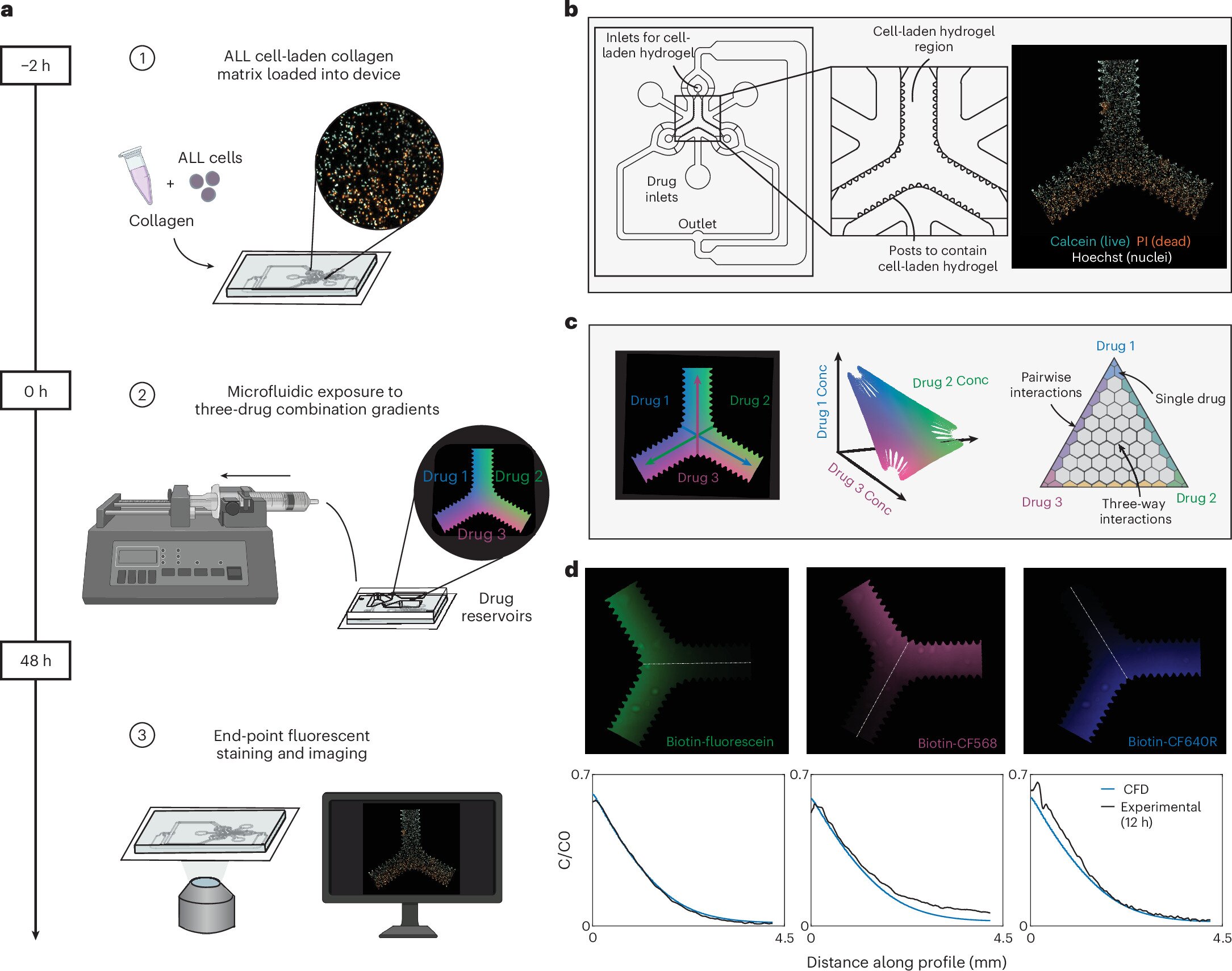
To address this, a team of scientists and clinicians at Emory University, Children's Healthcare of Atlanta and Georgia Tech developed a new technology to help clinicians identify how children will respond to any given ALL treatment at the time of diagnosis, rather than after standard chemotherapy has been administered, saving invaluable time.
Source link