This article has been reviewed according to Science X's editorial process and policies. Editors have highlighted the following attributes while ensuring the content's credibility:
Researchers at The University of Texas MD Anderson Cancer Center have traced how off-the-shelf chimeric antigen receptor (CAR) T cells behave in patients, revealing how immune rejection and differences among CAR T cells influence their ability to multiply after infusion.
The findings, published today in Cancer Discovery, show that some patients' immune systems may reject donor-derived CAR T cells before they can fully expand and eliminate cancer. Researchers also identified specific CAR T cell populations that appear better equipped to multiply, persist and destroy cancer cells.
"One of the biggest questions in the field has been why the same off-the-shelf CAR T cell therapy can lead to dramatically different results in different patients," said corresponding author Pavan Bachireddy, M.D., assistant professor of Hematopoietic Biology and Malignancy and scientific director of the ECLIPSE platform. "By identifying both patient and CAR T cell characteristics that influence treatment response, we've uncovered insights that could help us develop more effective therapies for the future."
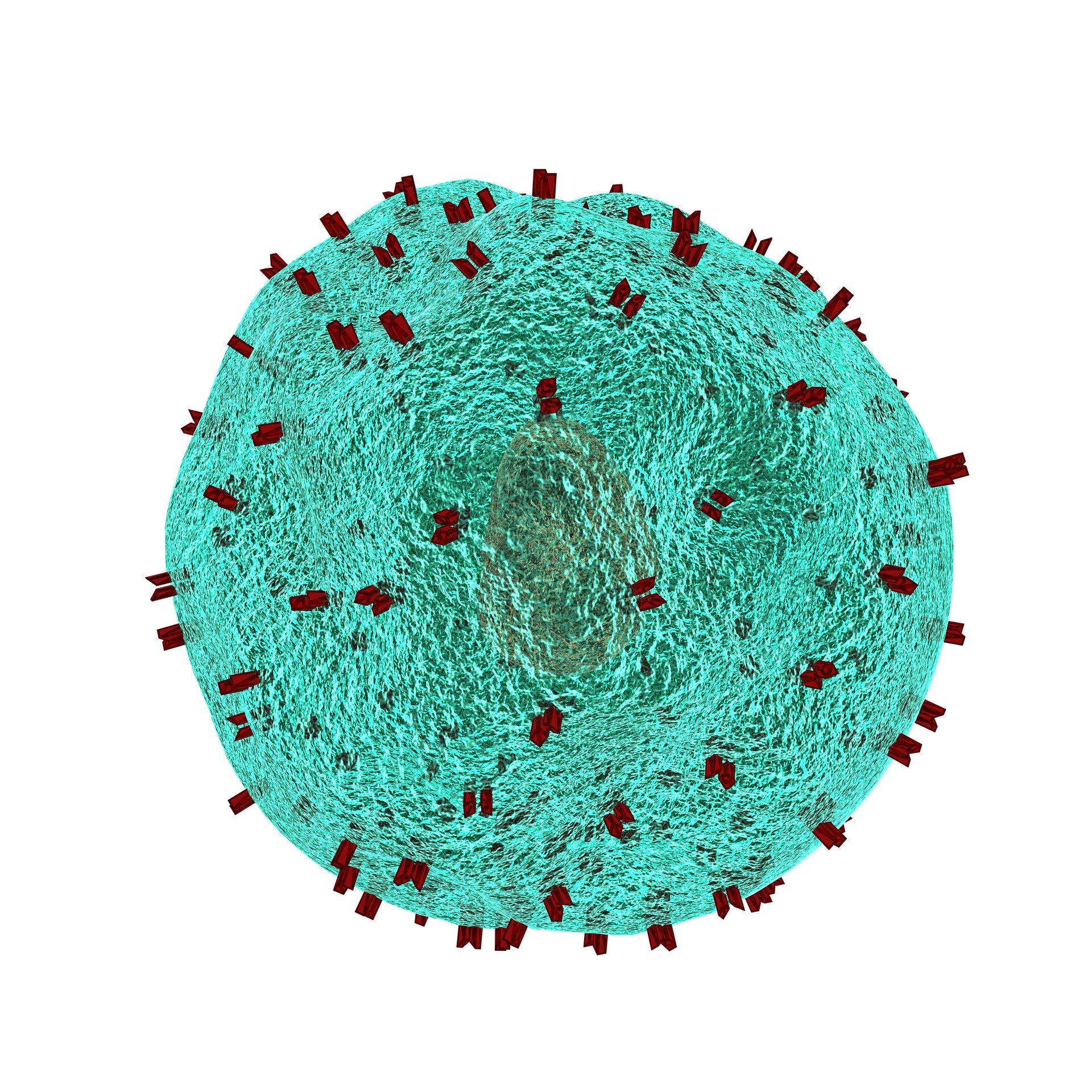
CAR T cell therapy works by engineering and expanding T cells to better recognize and destroy cancer cells. Currently approved CAR T cell therapies are made from a patient's own cells, which involves a complex manufacturing process that can take weeks.
Off-the-shelf CAR T cell therapies are manufactured from healthy donor cells and can be available immediately when needed, offering the potential to reduce treatment delays and expand patient access.
Source link