This article has been reviewed according to Science X's editorial process and policies. Editors have highlighted the following attributes while ensuring the content's credibility:
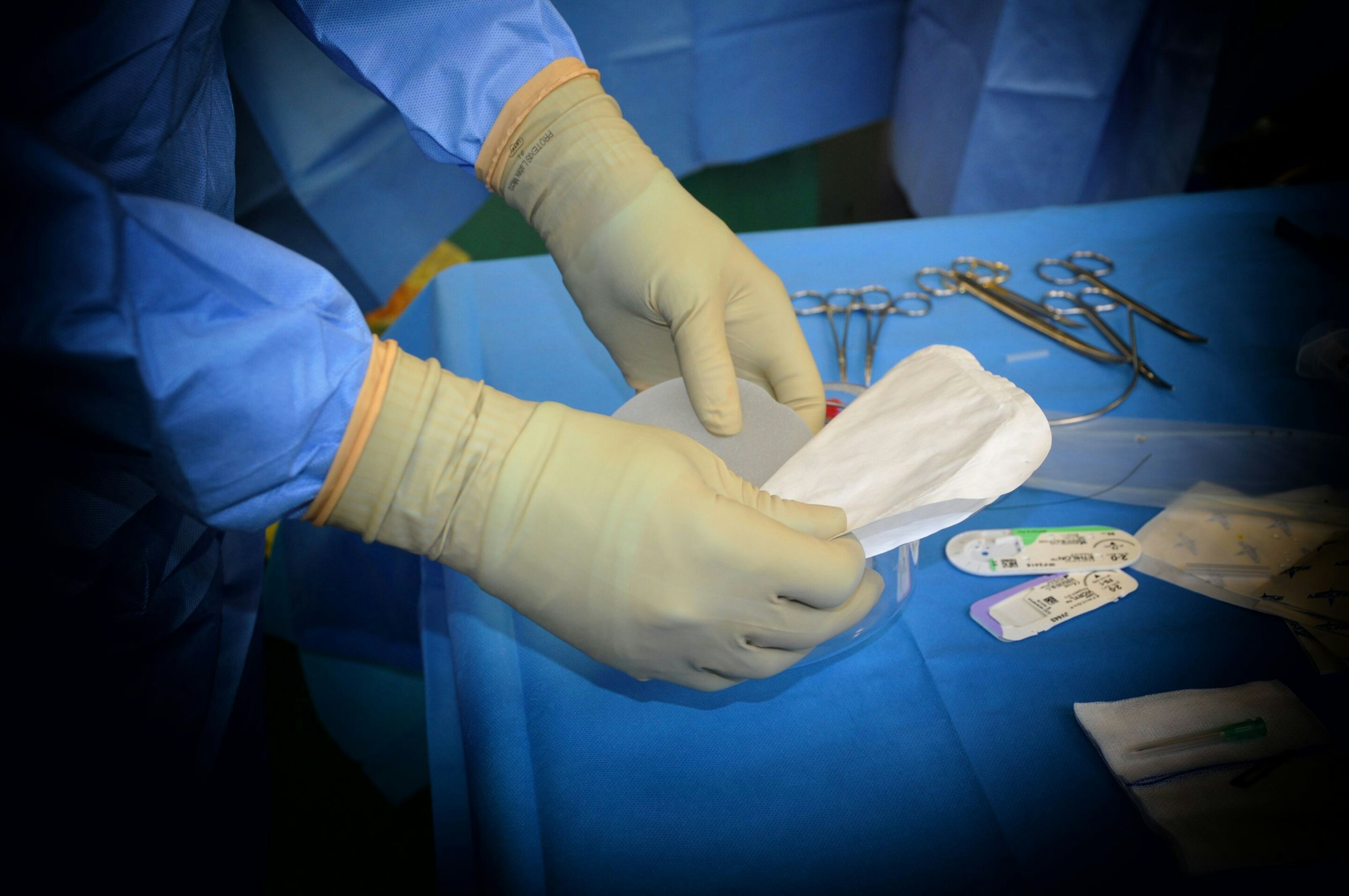
Radiation therapy is sometimes needed after mastectomy and breast reconstruction for breast cancer. However, patients with implant-based reconstruction who receive radiation therapy have a higher risk of capsular contracture, a complication in which scar tissue tightens around the implant. In more severe cases, it can cause breast pain, firmness or distortion and may require additional surgery.
A Mayo Clinic study published in the International Journal of Radiation Oncology*Biology*Physics found that areas around the implant receiving both higher proton beam radiation doses and elevated linear energy transfer (LET) were associated with capsular contracture.
LET measures how densely protons deposit energy as they travel through tissue. If validated in larger studies, the findings could help clinicians refine proton therapy plans to reduce the risk of this complication.
"Pencil beam scanning proton therapy can deliver precise doses of radiation for breast cancer while sparing healthy tissue and organs in the chest," says Wei Liu, Ph.D., research director of medical physics at Mayo Clinic in Arizona and co-senior author of the study. "These findings give us a possible direction for making an already precise treatment even safer."
The retrospective study reviewed data from 145 patients at Mayo Clinic who received pencil beam scanning proton therapy for breast cancer. Eight patients developed clinically significant capsular contracture. Researchers compared their treatment plans with those of 16 carefully matched patients who did not develop the complication.
Source link