This article has been reviewed according to Science X's editorial process and policies. Editors have highlighted the following attributes while ensuring the content's credibility:
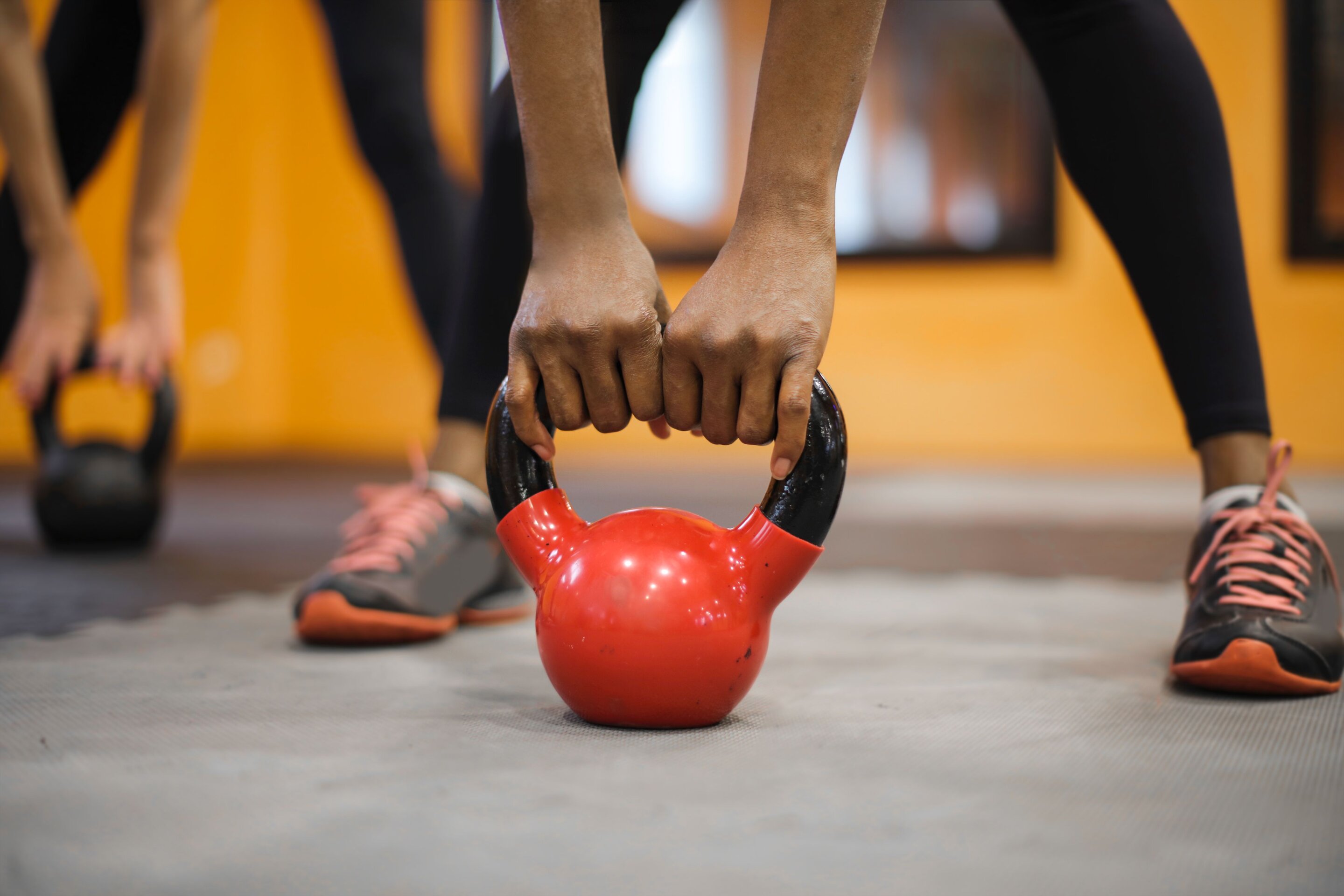
A recently published study by University of New Mexico researchers looks at how intense exercise affects the body. Michael Deyhle, an associate professor in the Department of Health, Exercise and Sports Sciences, oversaw the study led by doctoral students Jonathan Specht, Jeremy Ducharme and Alyssa Bailly. The findings are published in the journal Physiological Reports.
The study examined autophagy, a process in which cells break down and recycle damaged or unneeded components so they can be reused. The researchers found that markers associated with autophagy increased after an hour of endurance exercise in participants who were not regularly active. The markers did not change in participants who exercised regularly.
The findings show how the body responds to exercise and may help researchers better understand some of the ways physical activity supports health.
"It's clear that the process of autophagy, when properly regulated, is important for cellular health," said Deyhle. "This might indicate that activating autophagy, which we know is an important cellular process, is one of the many reasons why exercise is beneficial for our health."
Autophagy acts as a recycling system within cells. When cellular components break down, the process allows the body to reuse their building blocks to repair and remodel cells. Although researchers know that fasting and other forms of energy stress can activate autophagy, less is known about how exercise affects the process.
Source link