This article has been reviewed according to Science X's editorial process and policies. Editors have highlighted the following attributes while ensuring the content's credibility:
Researchers at the University of Cincinnati College of Medicine have published the first proof-of-concept study showing the potential of an experimental gene therapy for hydrocephalus. The preclinical research from the lab of Agnes (Yu) Luo was recently published in the journal Fluids and Barriers of the CNS, which focuses on specialized cerebrospinal fluid (CSF) biology.
Cerebrospinal fluid circulates throughout the brain, supporting brain function, regulating brain development and carrying nutrients, hormones and signaling molecules.
Hydrocephalus occurs when excess cerebrospinal fluid builds up in the brain, increasing pressure that can compress the brain and cause neurological impairment. Current treatment requires invasive brain surgery to drain excess fluid with a shunt, which is prone to failure.
Neurosurgeons sometimes offer an alternative endoscopic approach to partially cauterize the choroid plexus tissue that produces cerebrospinal fluid. This solution can improve symptoms but doesn't substantially reduce fluid volumes and is limited by technical and safety constraints. New, less invasive and more comprehensive treatments are needed.
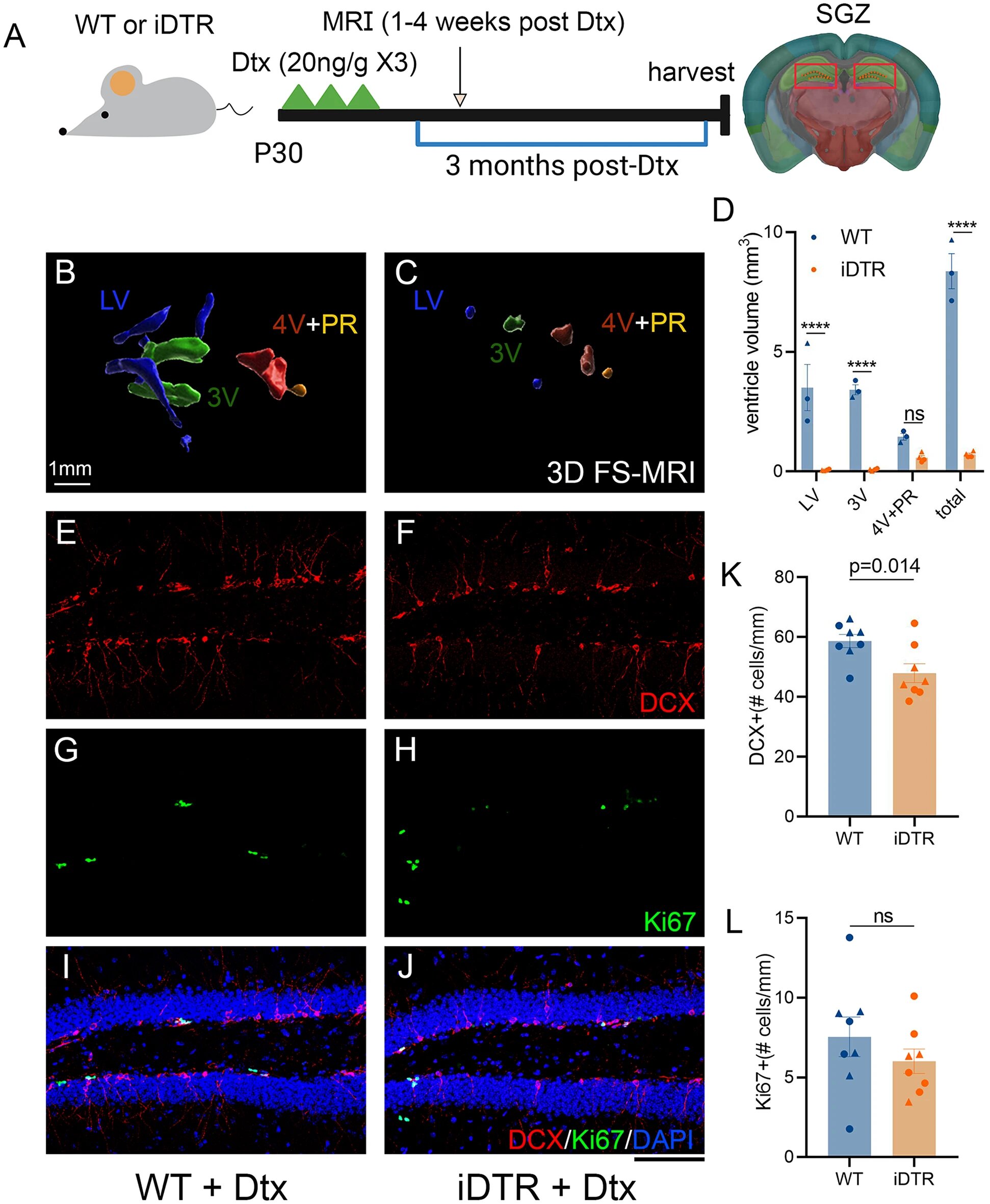
Luo, the study's corresponding author and a College of Medicine professor, has worked with members of her lab and collaborators at the University of California, Davis, to test an adeno-associated virus (AAV) gene therapy , a modified virus commonly used to deliver therapeutic genetic material into a patient's cells. This new AAV gene therapy targets and reduces the cell types that produce cerebrospinal fluid, limiting its production and spread into brain tissue.
Source link