This article has been reviewed according to Science X's editorial process and policies. Editors have highlighted the following attributes while ensuring the content's credibility:
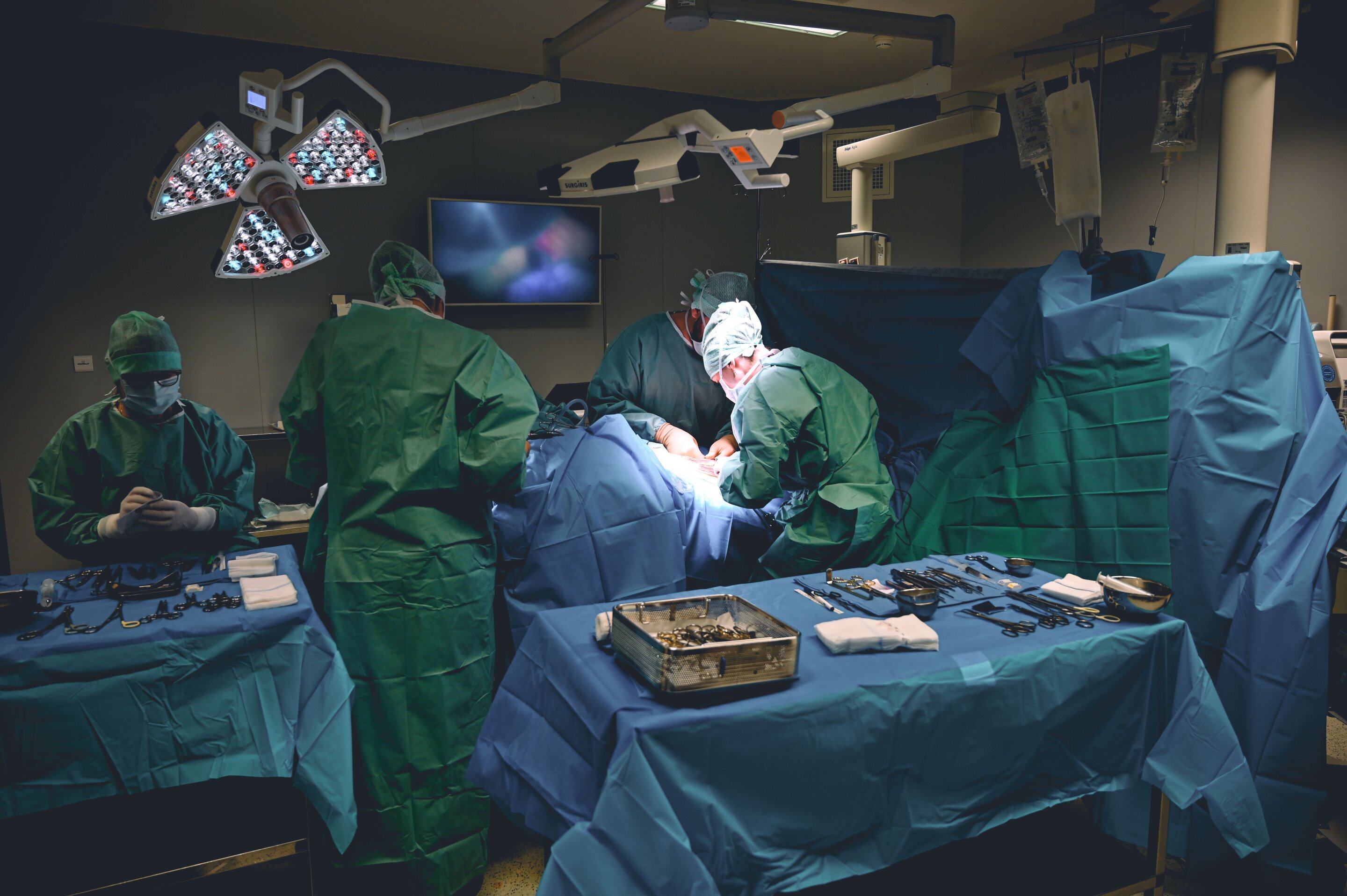
A study of more than 110,000 surgeries found that adding advanced air purification and sterilization systems to operating rooms did not reduce surgical site infections, postoperative complications or deaths, suggesting that hospitals should instead focus on preventing direct contamination of surgical wounds. The findings are published in the journal Anesthesiology.
Surgical site infections remain a leading cause of postoperative illness, death and hospital readmissions, according to the Centers for Disease Control and Prevention. These infections develop in the skin, tissue, organs or implanted material involved in a surgical procedure. About 1% to 3% of patients recovering from surgery develop a surgical site infection, although the risk is significantly higher for some procedures such as colorectal surgery.
"The causes of surgical site infections are not well understood," said Daniel Sessler, professor and vice president for clinical and outcomes research at McGovern Medical School at UTHealth Houston. "We know the bacteria that cause them, but we do not know where the bacteria come from and why patients develop infections. There are many potential sources, and bacteria floating through the operating room is among them."
To test the theory that airborne bacteria contribute to surgical site infections and that filtering the air reduces risk, researchers installed two air-purification systems in each of 68 operating rooms for four weeks at a time over the course of several years.
Source link