This article has been reviewed according to Science X's editorial process and policies. Editors have highlighted the following attributes while ensuring the content's credibility:
For patients with EGFR PACC-mutated non-small cell lung cancer (NSCLC), the targeted therapy firmonertinib achieved durable antitumor activity in a Phase Ib trial led by researchers at The University of Texas MD Anderson Cancer Center, supporting an approach to selecting treatments based on the structural features of uncommon EGFR mutations.
Results from the FURTHER trial, published in Cancer Cell, revealed that patients receiving 160 mg or 240 mg daily lived a median of 11.1 months and 16 months without their disease worsening (progression-free survival), respectively. The trial was led by Xiuning Le, M.D., Ph.D., associate professor of Thoracic/Head and Neck Medical Oncology.
"Patients with uncommon EGFR mutations have long faced limited evidence to guide treatment decisions," Le said. "The responses we observed with firmonertinib in patients with EGFR PACC mutations are encouraging and suggest that understanding mutation structure may help identify therapies better matched to a patient's cancer."
PACC mutations are a structurally distinct subgroup of EGFR mutations that account for approximately 12% of EGFR-mutant NSCLC, yet treatment responses can differ from those seen with more common EGFR mutations.
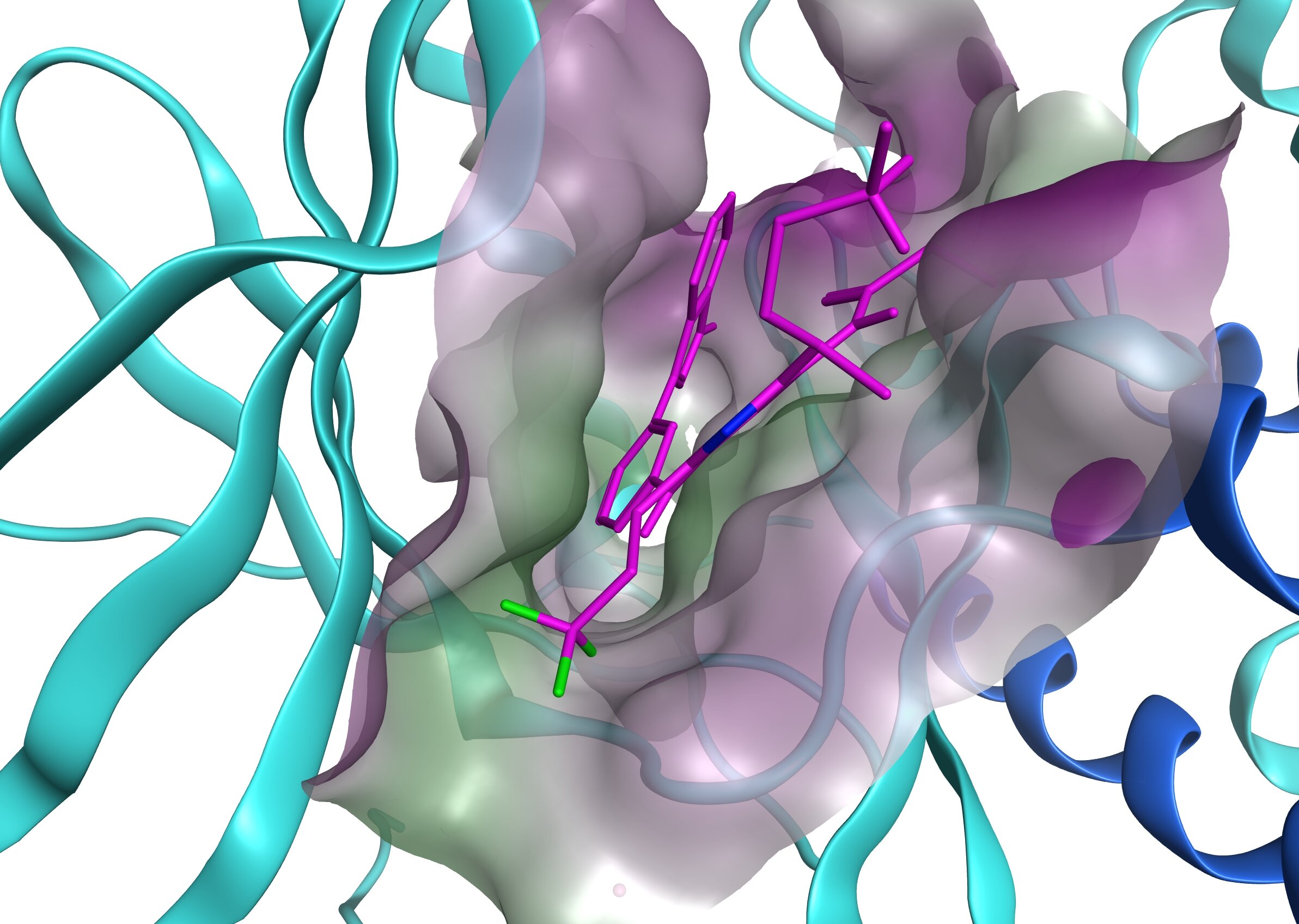
Rather than classifying uncommon EGFR mutations only by their location within the gene, researchers have proposed grouping them by how they change the structure of the EGFR protein, which may better predict which therapies will be effective. Building on that work, this study found that a unique chemical feature of firmonertinib enables it to bind more effectively to PACC-mutant EGFR proteins.
Source link