This article has been reviewed according to Science X's editorial process and policies. Editors have highlighted the following attributes while ensuring the content's credibility:
A Mayo Clinic study published in the Journal of Neuro-Oncology suggests that analyzing DNA in cerebrospinal fluid could provide another source of information when MRI cannot provide a clear brain tumor diagnosis or obtaining tissue through biopsy is difficult or potentially unsafe.
The study included 76 patients facing one of three challenging clinical scenarios:
The investigation detected tumor-associated DNA in 20 patients (26%). For those patients, the findings provided another piece of evidence that clinicians could consider alongside imaging, pathology and the patient's overall clinical picture.
MRI and tissue biopsy remain essential for diagnosing and monitoring cancers involving the brain and spinal cord. But each has limitations.
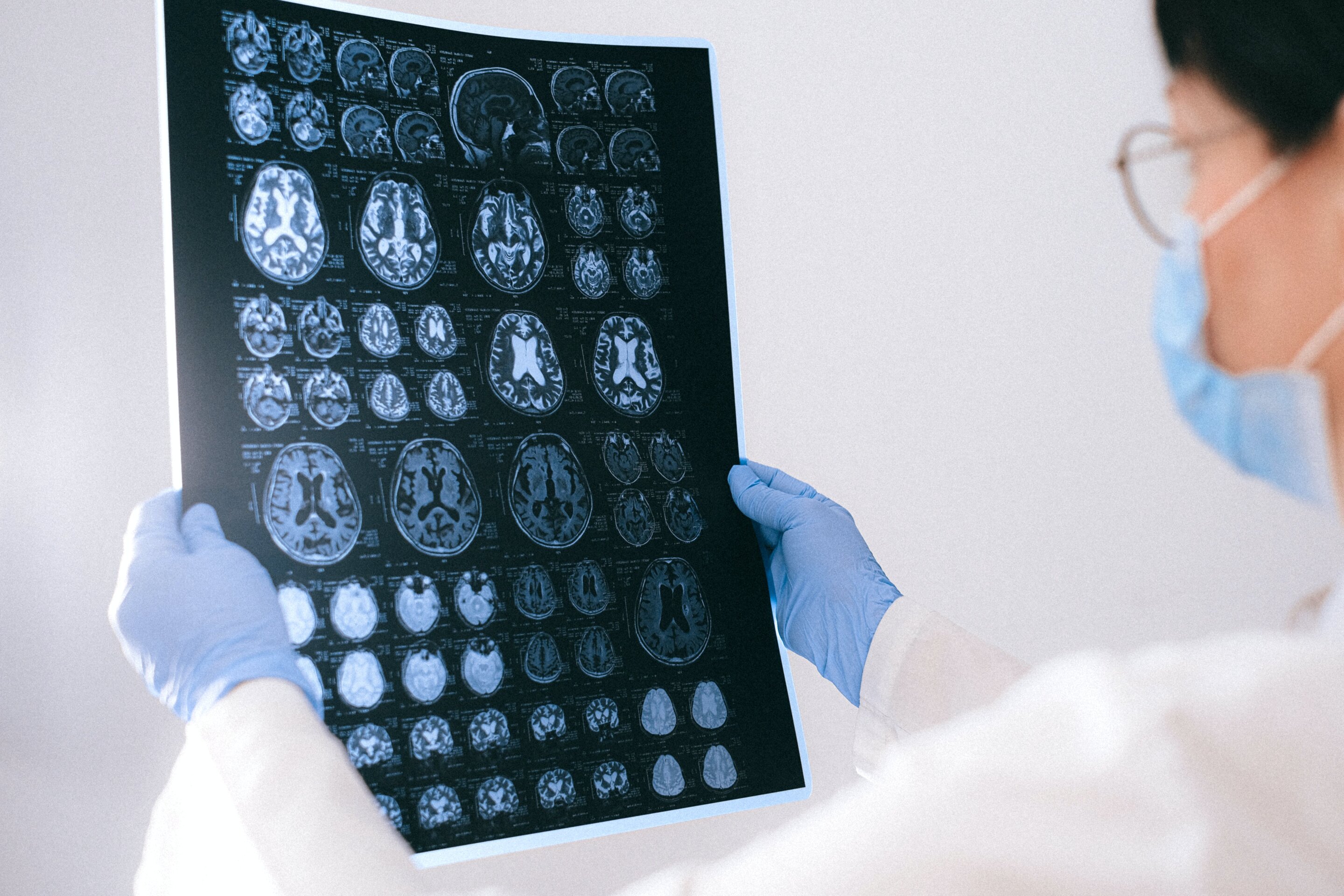
Changes on an MRI can often look similar whether they are caused by cancer, inflammation or the effects of treatment. In other cases, a lesion's location may make obtaining tissue through biopsy difficult or unsafe.
Researchers are increasingly studying whether tumor-related material released into body fluids can provide another source of information. A liquid biopsy looks for material such as tumor DNA in a body fluid rather than in a tissue sample. Most liquid biopsies use blood.
For brain tumors, however, the blood-brain barrier—a protective boundary that controls what passes between the bloodstream and the brain—can limit how much tumor DNA reaches the bloodstream, making it difficult to detect.
Mayo Clinic researchers are therefore studying cerebrospinal fluid, or CSF, the clear fluid that surrounds the brain and spinal cord.
Source link