This article has been reviewed according to Science X's editorial process and policies. Editors have highlighted the following attributes while ensuring the content's credibility:
A haunted house puts the brain on edge. During Halloween, revelers may interpret every creak, whisper or unexpected touch as a sign of something frightening. Safe at home, those same sensations might barely register.
New research from Carnegie Mellon University's Kate Hong, published in Nature Communications, suggests that the brain does more than receive sensory information: it interprets it, shaping how we experience the world around us. That may be especially apparent during spooky season, when a faint sound or an unexpected touch can seem more noticeable during a horror-movie marathon on a dark and stormy night.
Understanding how the brain decides what is important enough to notice is a central question in neuroscience.
"We don't always see the world as it really is. Our brains are constantly interpreting signals to help us make sense of what's going on in the environment," said Hong, an assistant professor in biological sciences and the Neuroscience Institute in Carnegie Mellon's Mellon College of Science. "I've always been fascinated by how the brain transforms sensory input into our perception of the world."
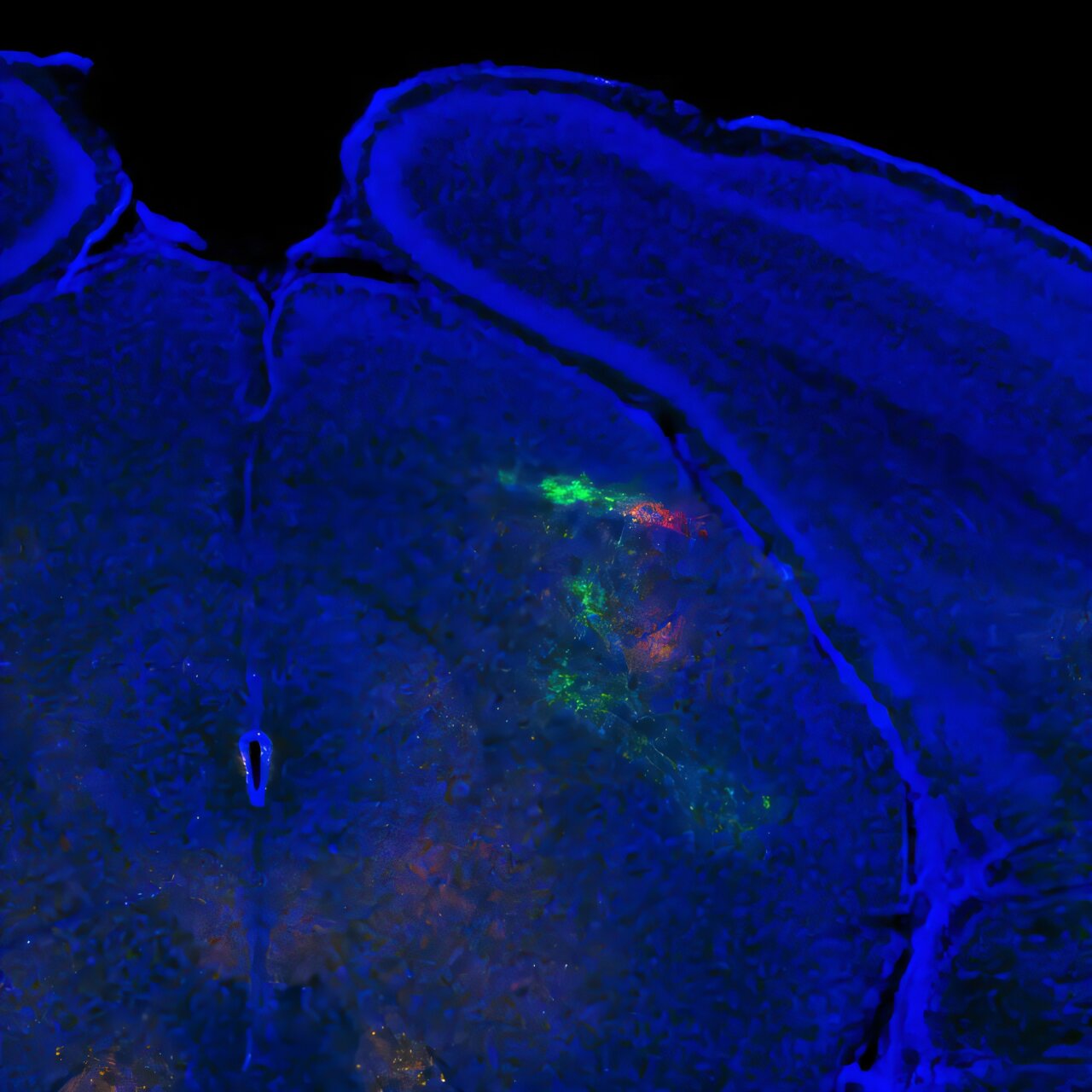
Building on years of research, Hong and her colleagues showed that perception is not a passive process. Communication between the brain's somatosensory cortex and the superior colliculus helps determine whether a sensation is present.
First author Alice Nam, then a graduate student in the Hong lab, said one of the most interesting parts of leading the project was thinking about the brain as a whole.
Source link