This article has been reviewed according to Science X's editorial process and policies. Editors have highlighted the following attributes while ensuring the content's credibility:
Millions of people take antihistamines for allergies, but some of these medicines can make you sleepy, slow your reactions and affect your concentration. Others are much less likely to have these effects. Knowing the difference can help you choose an allergy treatment that won't interfere with your day.
Antihistamines work by blocking histamine, a chemical released by the immune system during an allergic reaction. Histamine causes many common allergy symptoms, including itching, sneezing, watery eyes and a runny nose.
The first antihistamines were developed in the 1940s. Medicines such as chlorpheniramine, diphenhydramine and promethazine are known as first-generation antihistamines, and they are still widely available in allergy medicines, cold remedies and sleep aids.
In the 1980s and 1990s, newer antihistamines such as loratadine, cetirizine and fexofenadine were introduced. Known as second-generation antihistamines, they were designed to cause fewer side effects, especially drowsiness.
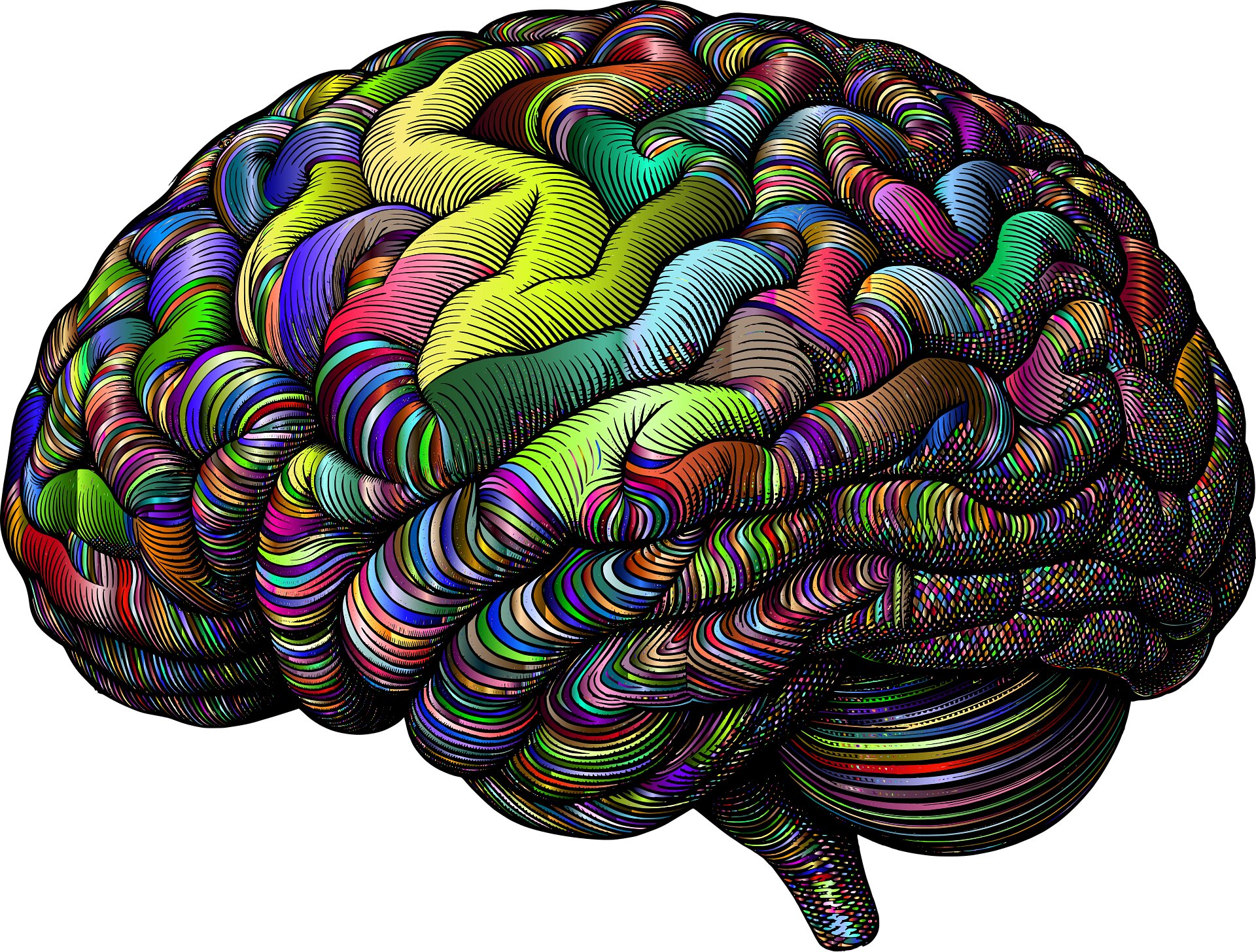
The reason some antihistamines cause drowsiness while others do not comes down to what happens in the brain. Older antihistamines can easily cross the blood-brain barrier, which helps control what enters the brain from the bloodstream. There, they block histamine receptors that help keep you alert and awake.
Brain imaging studies show that older antihistamines block more histamine receptors in the brain than newer ones. This is linked to a greater risk of sleepiness, slower reaction times and difficulty concentrating.
Source link