This article has been reviewed according to Science X's editorial process and policies. Editors have highlighted the following attributes while ensuring the content's credibility:
Once a supplement favored mainly by fitness fanatics, creatine has quickly become one of the most widely used dietary add-ons in the world.
While its advantages for strength and athletic performance are supported by evidence, it's increasingly being recommended for its mental health effects. In fact, a recent review has even suggested the supplement may have benefits as a treatment for depression.
There are many reasons why creatine appears to be beneficial for our brains and mental health. But before you start taking the supplement for your well-being, it's important to understand the nuance of what the research has found so far.
Creatine is a compound that our bodies naturally make. It's also found in meat (both white and red) and some fish (including salmon, tuna, cod and herring).
Creatine acts as a source of energy in the body. It primarily helps deliver energy to our muscles when we're active. Most of our creatine is stored in our muscles, with small amounts also stored in the brain.
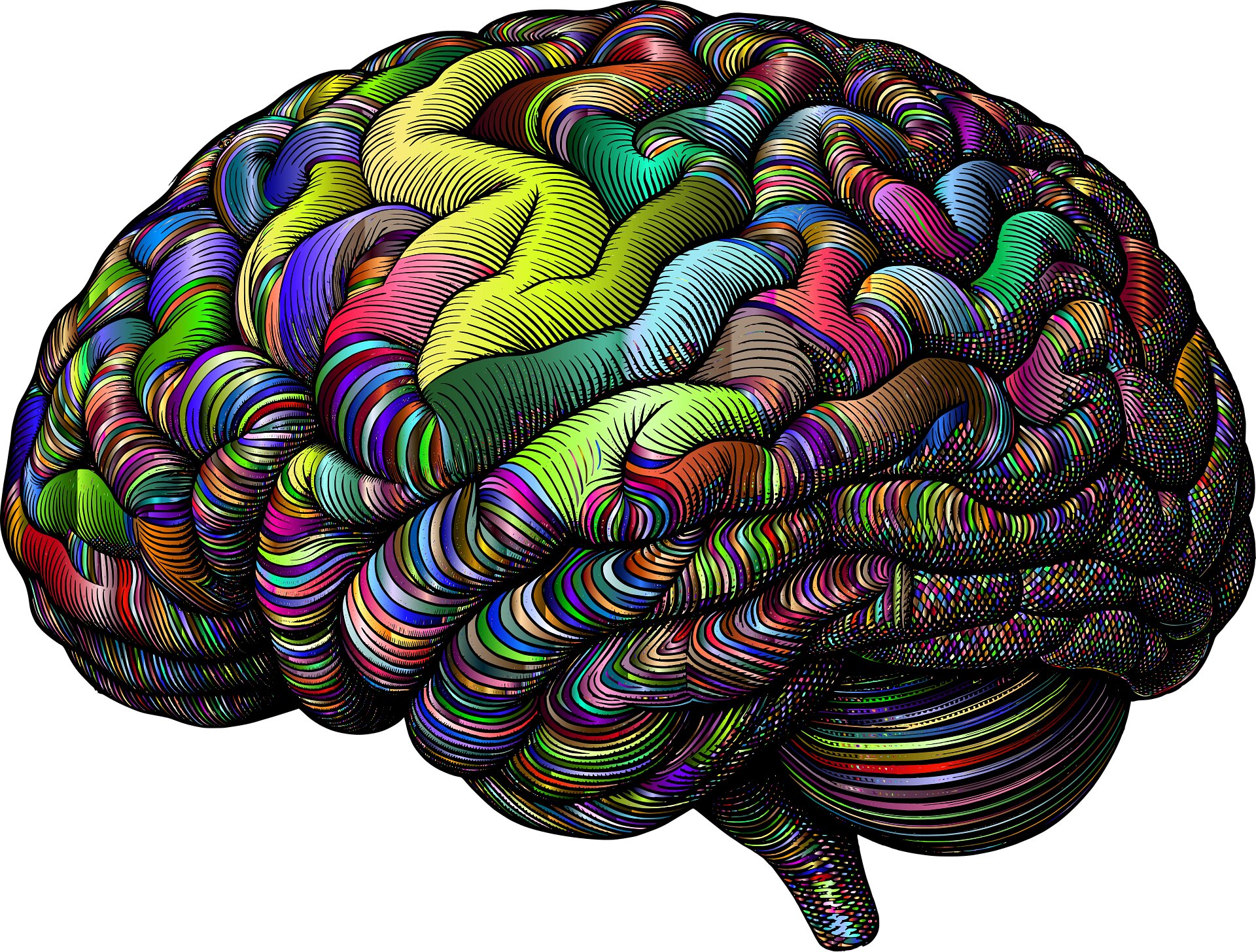
The brain is one of the most energy-hungry organs in the body. Although it only accounts for 2% of our total body weight, it uses 20% of the body's energy—especially during complex thinking and tasks.
When energy is low in the brain, it can affect the important chemicals that control mood . Low brain energy is also thought to contribute to different types of mental health issues, including depression, bipolar disorder and schizophrenia.
Source link