This article has been reviewed according to Science X's editorial process and policies. Editors have highlighted the following attributes while ensuring the content's credibility:
Monash University researchers have identified a protein that drives age-related damage in vital organs, opening a potential new avenue for treatments that could help people stay healthier as they get older. Published in Immunity, the research revealed a link between the protein granzyme K and signs of aging in the heart, liver and kidneys.
Granzyme K is a protein produced by immune cells, with levels known to increase significantly with age in both mice and humans, but its precise role in age-related organ damage has remained unclear.
Senior researcher Professor Nicole La Gruta, from the Monash Biomedicine Discovery Institute, said the findings could provide a new way to protect vital organs from damage as we age.
"We know that as we get older, our organs undergo changes that can make us more susceptible to diseases, including heart and kidney disease," La Gruta said.
"What we've discovered is that granzyme K plays an important role in driving some of that damage.
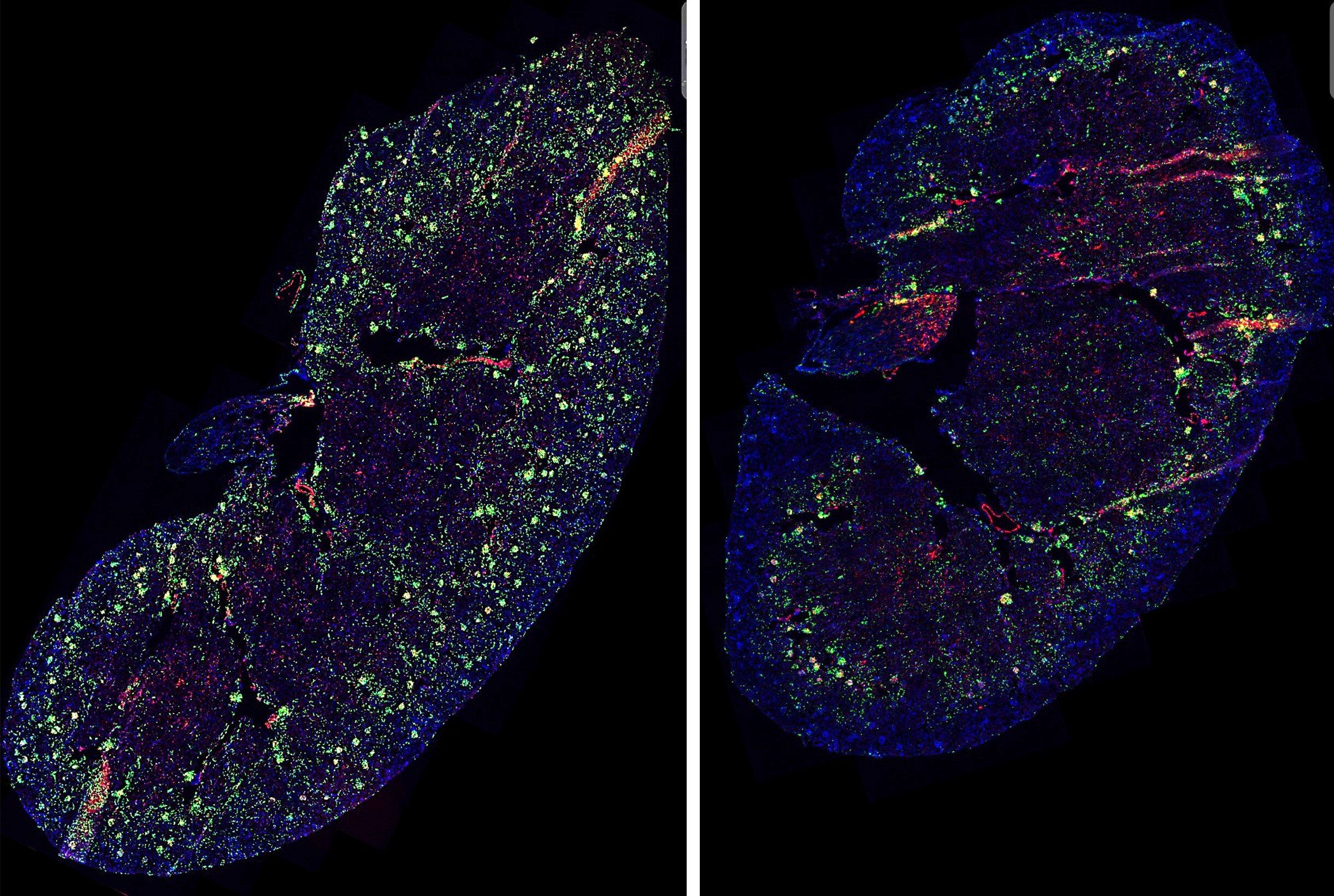
"What's particularly exciting is that mice without this protein showed reduced signs of organ aging, even though their immune systems continued to age normally.
"This challenges the long-held assumption that organ and immune aging are inextricably linked and opens up an exciting new avenue for developing treatments that could help people maintain healthier organs for longer."
The study used preclinical or mouse models, comparing older mice that did not have the protein granzyme K with those that did.
Source link