This article has been reviewed according to Science X's editorial process and policies. Editors have highlighted the following attributes while ensuring the content's credibility:
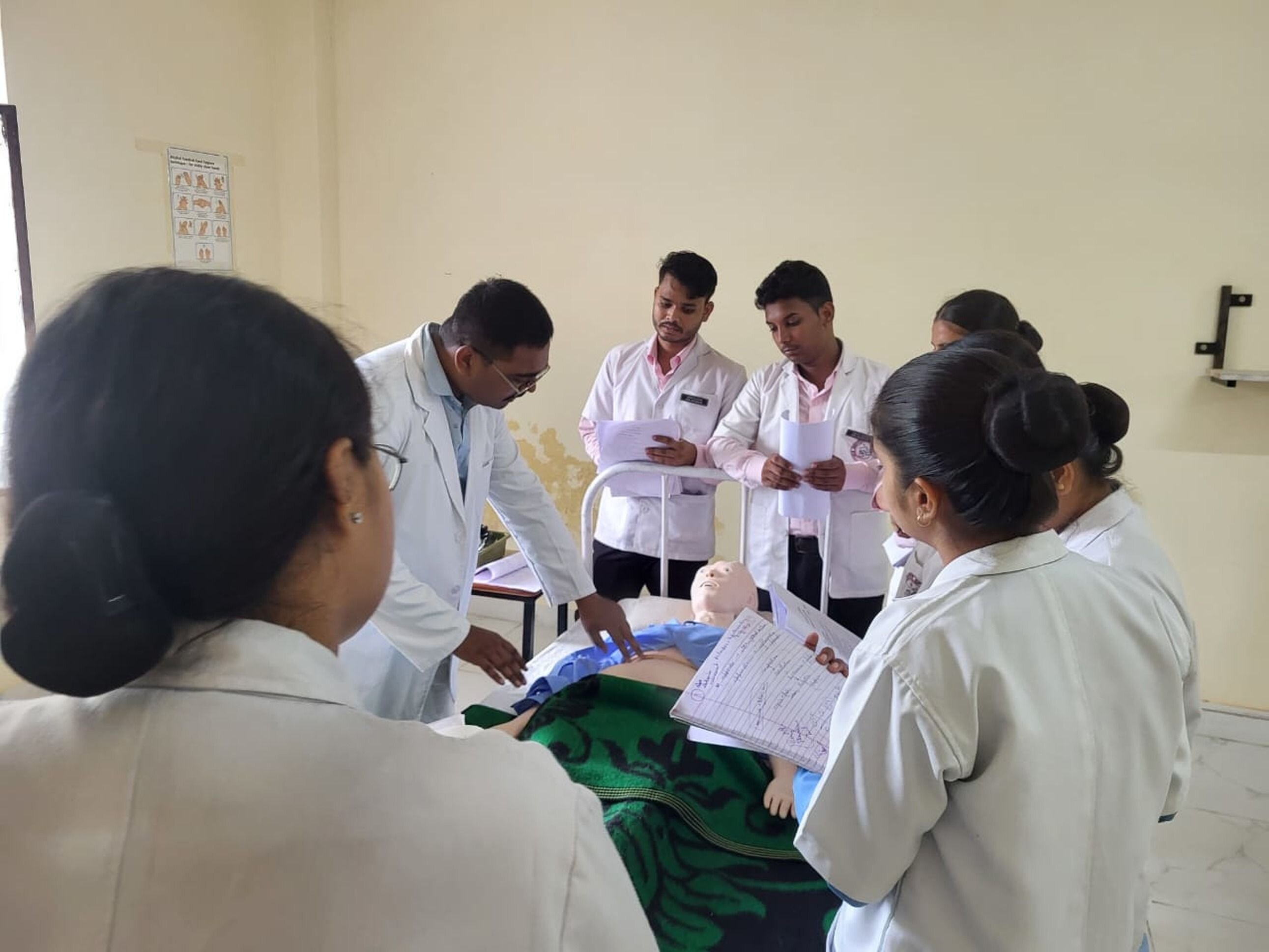
Training doctors in rural and remote communities and embedding First Nations knowledge and leadership in medical education could be key to strengthening health care access, building a sustainable workforce and improving health outcomes in communities across Australia and beyond.
A new paper led by Flinders University published in BMJ says that medical schools have a unique opportunity to support healthier communities by preparing future doctors to deliver care that is locally relevant, culturally responsive and grounded in community needs.
Drawing on evidence from Australia and around the world, the paper highlights the benefits of place-based learning and community partnerships, arguing that where doctors train can play a major role in where they ultimately choose to work.
Lead author professor James Smith says rural medical education is one of the most effective ways to strengthen health care in regional, rural and remote communities.
"Where someone lives should not determine the quality of health care they receive," says Smith, a Matthew Flinders professor (health and social equity) and co-director of the FHMRI Health Equity Impact Program at Flinders University.
"We need to continue building opportunities for doctors to train in rural and remote communities and ensure they are equipped with the skills, relationships and cultural understanding needed to thrive in those settings."
The paper points to Australia's investment in rural medical education over the past two decades as evidence that targeted training programs can deliver real benefits.
Source link