This article has been reviewed according to Science X's editorial process and policies. Editors have highlighted the following attributes while ensuring the content's credibility:
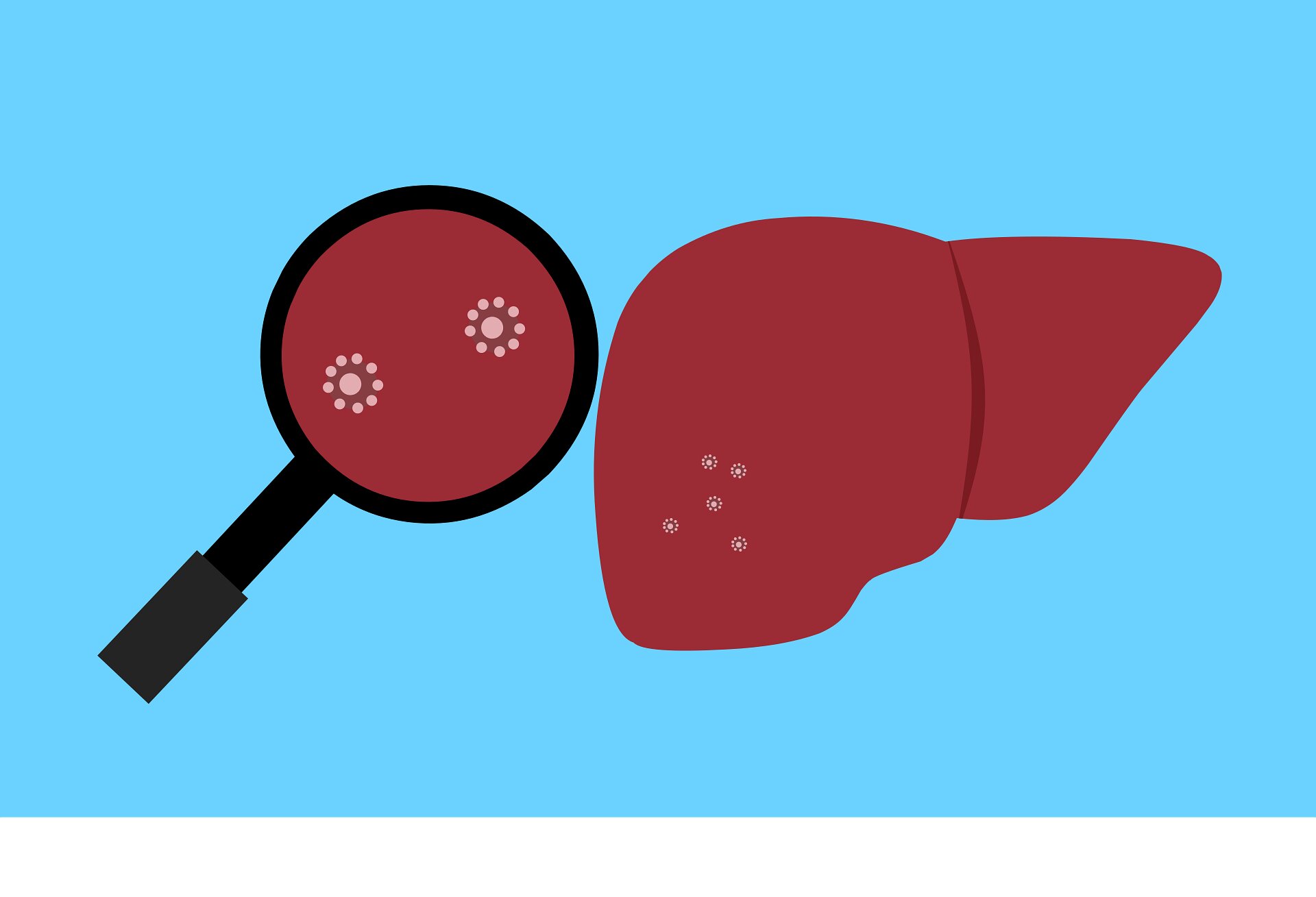
A new study led by investigators from Mass General Brigham found routine liver cancer screening to be cost-effective and life-extending for individuals with alcohol-associated cirrhosis, even when their annual risk of developing liver cancer is less than half the risk level guiding current screening recommendations.
Results, published in Clinical Gastroenterology and Hepatology, underscore the value of routine surveillance for both patients who continue to drink and those who achieved abstinence.
Alcohol-associated cirrhosis is a late stage of liver disease caused by heavy drinking, where scar tissue replaces healthy tissue and impairs proper liver function. This condition significantly increases the risk of developing a common form of liver cancer known as hepatocellular carcinoma (HCC).
Since routine HCC screening—consisting of an ultrasound and blood test—can be costly and time-consuming, current guidelines only recommend it for individuals whose annual risk of developing HCC is above 1%.
That cutoff comes from older studies, mostly in people with viral hepatitis. Recent data show yearly liver cancer risk in alcohol-associated cirrhosis is often below 1%, so it has been unclear whether these patients should be screened routinely.
The new study revealed that biannual screening was beneficial and cost-effective for individuals with an annual HCC risk as low as 0.45%, despite the traditional surveillance threshold being set at 1%.
"Our study shows that the 1% benchmark for screening is out of date for this population.
Source link