This article has been reviewed according to Science X's editorial process and policies. Editors have highlighted the following attributes while ensuring the content's credibility:
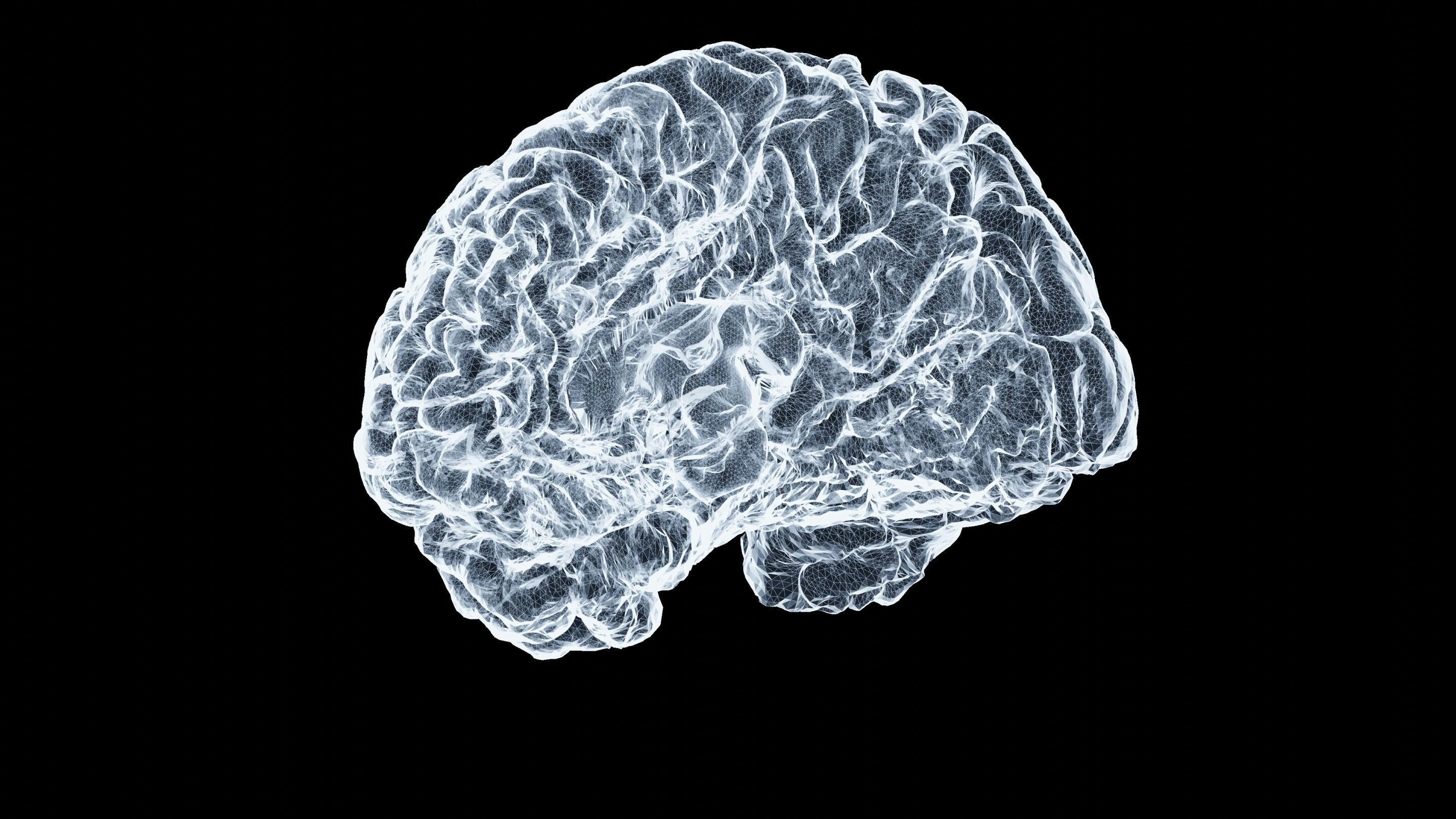
Scientists studying the human brain have long faced a complex obstacle: because of the scarcity of neurotypical human brain tissue, tissue samples from a single brain must be shared across research entities. Those entities then generate massive amounts of data from their research but often lack a coordinated way to share, combine or reuse the information.
To solve this problem, a team of UTHealth Houston researchers led by GQ Zhang, Ph.D., vice president and chief data scientist at UTHealth Houston, has developed a data platform that is a "digital twin" of the research workflow. This new technology has allowed scientists to track brain health research from the moment a tissue sample is taken to the resulting scientific data. The technology is used within the National Institutes of Health's BRAIN Initiative Cell Atlas Network, or BICAN, a large national collaborative research network.
"You first have the physical part, which is where the lab takes the resources and transforms the tissue all the way to data. A dozen or more labs are involved in the physical process," said Zhang, who is the corresponding author of the research and a professor in the Department of Health Data Science and Artificial Intelligence at McWilliams School of Biomedical Informatics at UTHealth Houston.
"For the digital twin, we have a way of mirroring exactly what physical process is taking place: who received what piece of tissue and performed what on that tissue, where they sent it to get sequenced and where the sequenced data sets get deposited.
Source link