This article has been reviewed according to Science X's editorial process and policies. Editors have highlighted the following attributes while ensuring the content's credibility:
For nine months, the placenta is the primary support system of the fetus, providing both nourishment and protection. Within hours of birth, it is usually discarded as medical waste. But this organ carries clues to the child's future health and additional pregnancies for the mother, according to Indira Mysorekar, new vice dean for research, basic science and graduate studies for Penn State College of Medicine.
"It's the 'fate map' of the human, and we throw it away," said Mysorekar, who is also the Dorothy Foehr Huck and J. Lloyd Huck Chair in Women's Health and professor of medicine and of cell and biological systems.
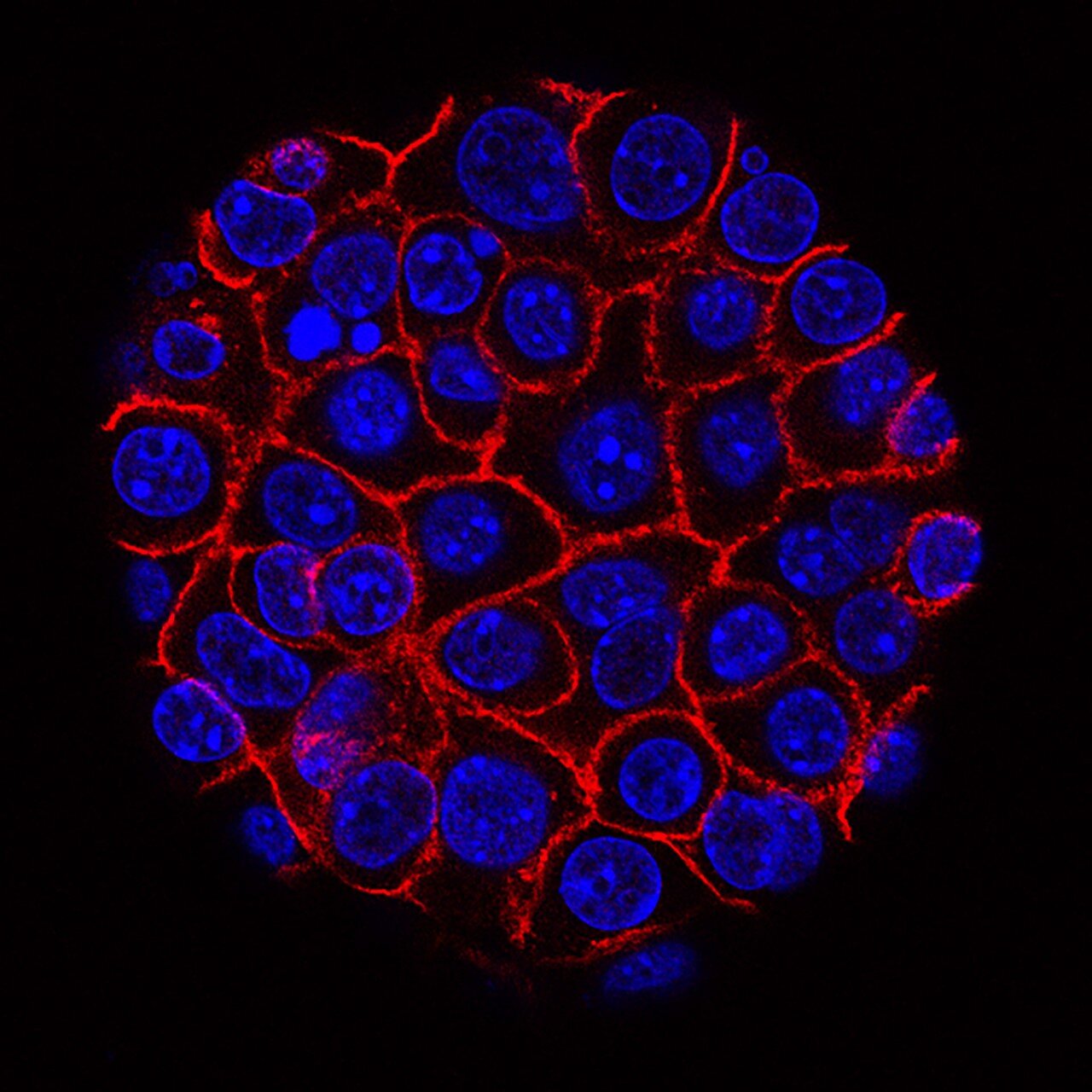
Mysorekar and two new Penn State researchers in the Department of Medicine—Rafael Tomoya Michita, assistant professor, and Eliza McColl, postdoctoral scholar—recently authored two papers that independently demonstrated how viruses target and impact the placenta, one by tunneling through its barrier and the other by interfering with the organ's work nourishing the fetus, to varying degrees of success.
In this Q&A, the researchers discussed what drew them to study the commonly discarded placenta, how infections and treatments can affect it differently than other tissues in the body and why it all matters for a child's development and for women's health.
Mysorekar: The placenta is the organ that connects a mother and her baby. It's the only organ we generate from the beginning for a single purpose and then discard once that purpose is complete.
Source link