This article has been reviewed according to Science X's editorial process and policies. Editors have highlighted the following attributes while ensuring the content's credibility:
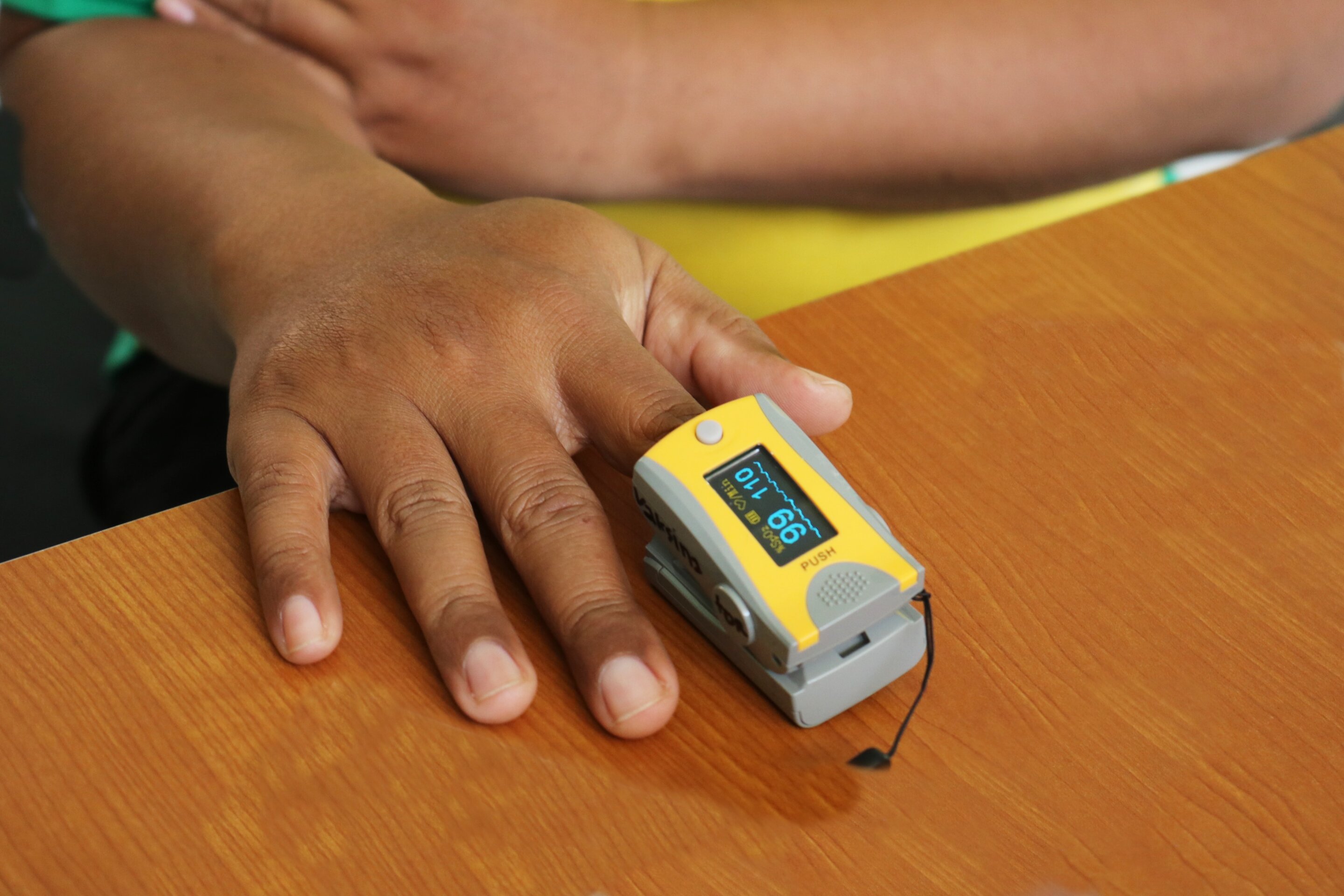
Sleep studies often use a pulse oximeter to determine the severity of sleep apnea. But a new study by investigators from Mass General Brigham reports that pulse oximeters may undercount breathing events in Black patients, potentially leading to inaccurate severity classifications.
Researchers found that the proportion of airflow-defined breathing events meeting a standard oxygen-desaturation criterion was about 20% lower in Black than white participants. The findings were published in the American Journal of Respiratory and Critical Care Medicine.
"Sleep studies often use drops in blood oxygen, measured by pulse oximetry, to determine which breathing disturbances count toward sleep apnea severity," said first author Ali Azarbarzin, Ph.D., of the Division of Sleep and Circadian Disorders in the Department of Medicine at Mass General Brigham.
"Our findings raise concern that pulse oximetry–based sleep apnea scoring may underdetect clinically relevant events in some Black individuals, with potential implications for diagnosis and severity classification."
Research has shown that pulse oximeters may have a bias in their readings based on an individual's skin pigmentation. Pulse oximeters function by emitting light through a part of the body and measuring the light absorption. Melanin and other pigments in darker skin can absorb some of the emitted light, potentially affecting the accuracy of the reading.
Pulse oximetry racial biases have recently been documented in other clinical settings, including in patients presenting with COVID-19 infection, but until now, it was unknown to what extent the bias might affect how obstructive sleep apnea is diagnosed or scored.
Source link