This article has been reviewed according to Science X's editorial process and policies. Editors have highlighted the following attributes while ensuring the content's credibility:
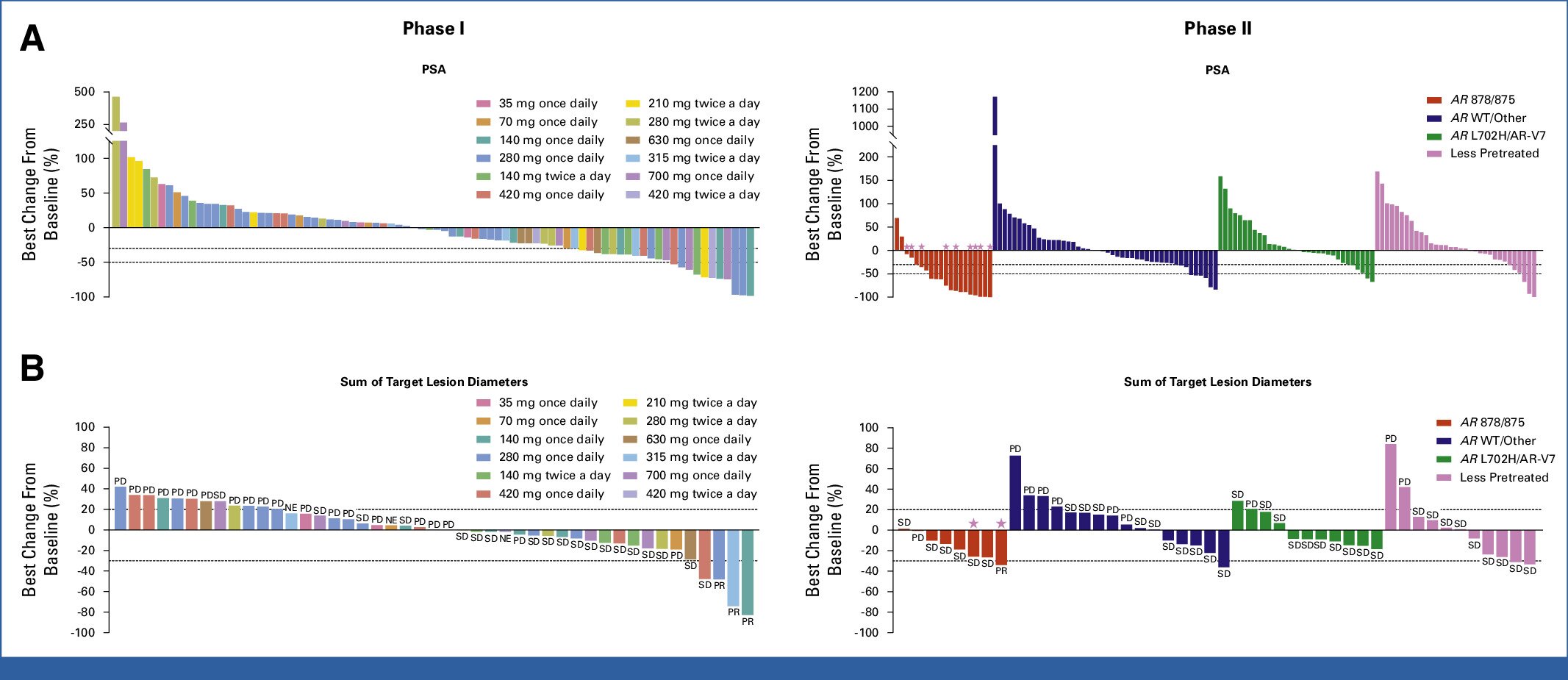
In a recent Yale-led clinical trial, a new type of prostate cancer drug showed promising results in reducing tumor activity and pain for patients with metastatic prostate cancer.
"This is a first-in-class drug for prostate cancer," says Daniel Petrylak, professor of medicine (oncology and hematology) at Yale School of Medicine and senior author of the study, published Oct. 9 in the Journal of Clinical Oncology.
Patients in the phase 1/phase 2 clinical trial were diagnosed and previously treated for metastatic castration-resistant prostate cancer (mCRPC), an incurable, lethal form of the disease. Oncologists typically treat prostate cancer by starving it of testosterone, which halts growth for a time. But with mCRPC, the cancer continues to grow even with limited testosterone.
"More than 35,000 men will die from mCRPC in the United States this year," says Petrylak, a member of Yale Cancer Center. "It's the most advanced form of prostate cancer."
Bavdegalutamide is the first PROTAC androgen receptor degrader to be clinically tested. PROTACs are a new class of cancer drug that use proteolysis, the natural process wherein a cell breaks down proteins to recycle the materials, to degrade cancers. PROTACs were pioneered by Yale researcher Craig Crews, including the first PROTAC approved by the U.S. Food and Drug Administration for use in breast cancer.
Bavdegalutamide was designed to treat mCRPC by bypassing its resistance to other hormone therapies.
Source link