This article has been reviewed according to Science X's editorial process and policies. Editors have highlighted the following attributes while ensuring the content's credibility:
People prefer plant-based products to be local and sustainable, minimally processed and familiar, according to our latest research. This is alongside typical consumer expectations for food products such as taste and value.
Understanding consumer needs for plant-based food is vital for their success, and that's an essential part of building a more sustainable food system that moves away from carbon-intensive meat products.
Introducing new and exciting plant-based alternatives might encourage meat and dairy lovers to substitute some of their animal-based intake. However, many of those alternatives are ultraprocessed, so there are still potential health concerns surrounding such products.
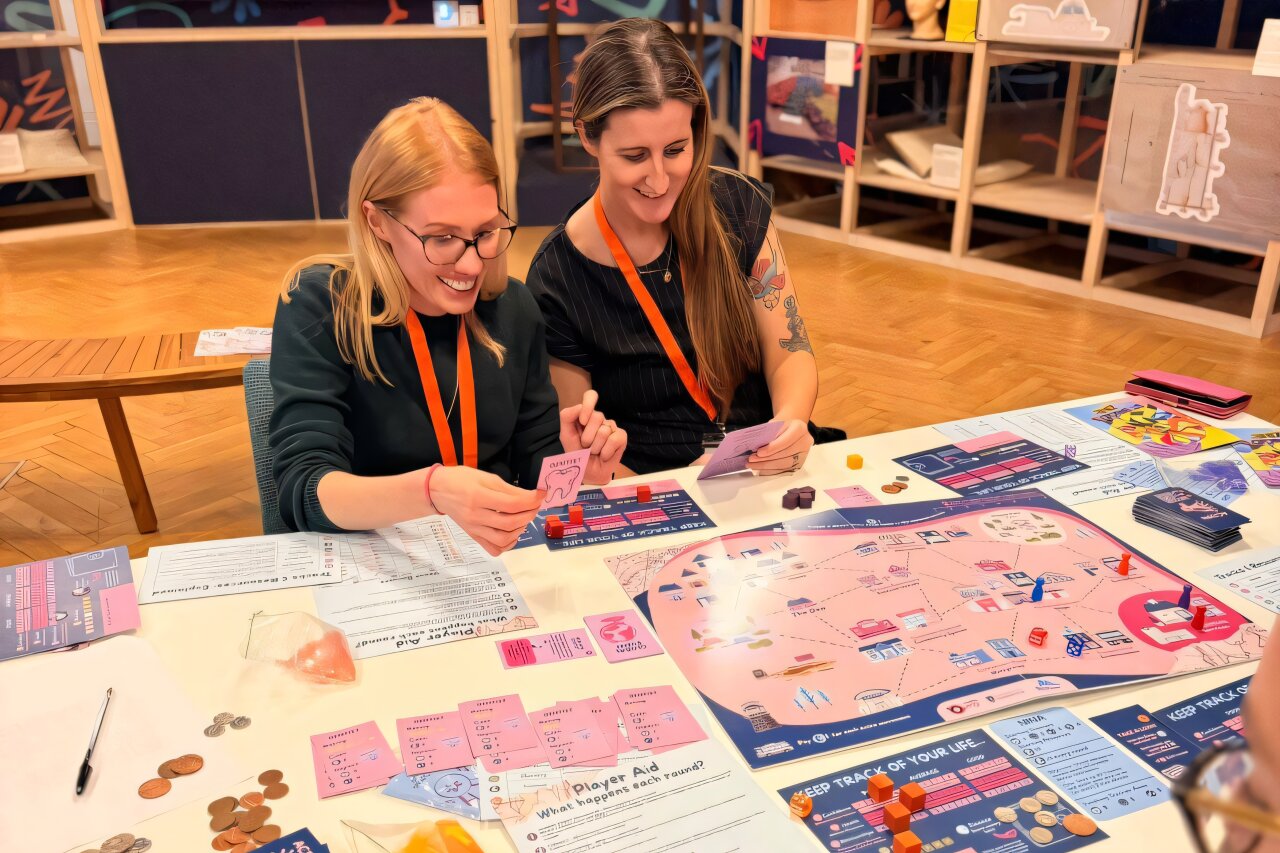
Our project involved working with consumers to create ideas for plant-based food and drink products. As part of Protein-I, a project investigating how to diversify plant protein production and consumption around Ireland and Northern Ireland, we ran five workshops with consumers.
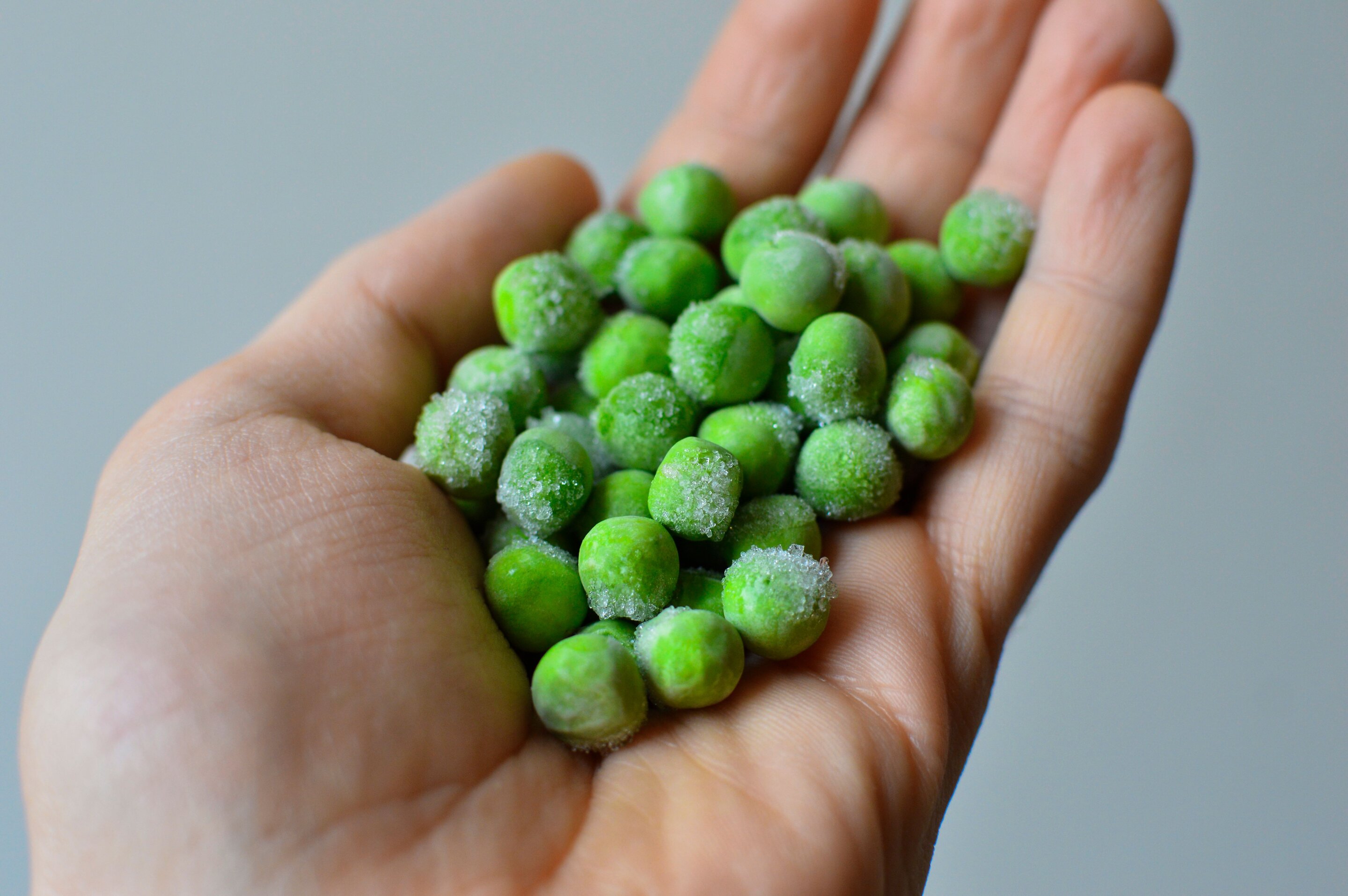
These workshops focused on plant proteins that could be grown for human consumption locally (such as barley, oats, peas, rye and wheat), rather than ones that are typically imported such as soy. Crop trials across research sites and farms had found that varieties of these crops can be grown in sufficient quantities in countries such as Ireland at a quality suitable for human consumption (rather than animal feed).
Following guided group discussions, interesting ideas from our 38 participants included a plant-based tuna alternative called "toona," made from wheat and pea protein, pea and onion chips plus wheat and barley pasta.
Source link