This article has been reviewed according to Science X's editorial process and policies. Editors have highlighted the following attributes while ensuring the content's credibility:
Rapidly dividing cancer cells can develop DNA mutations that produce abnormal proteins called antigens, which are unique to each patient's cancer. Scientists are now testing personalized cancer vaccines that target these neoantigens and prevent cancer from returning after treatment.
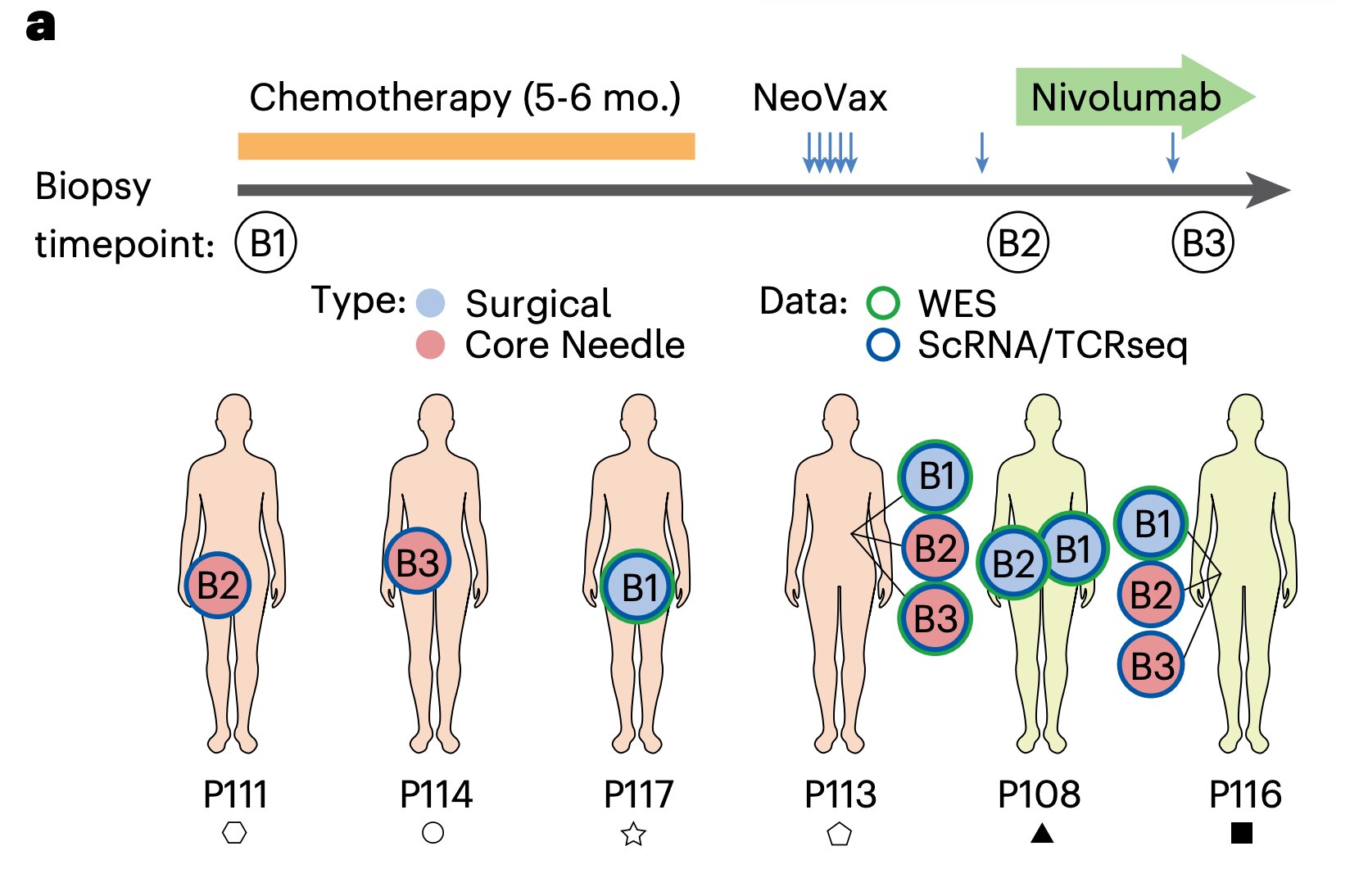
A recent phase 1 clinical trial tested whether a personalized cancer vaccine called NeoVax could be safely manufactured and administered alongside standard treatment for patients with high-grade epithelial ovarian cancer.
Researchers sequenced the DNA and RNA of both cancer and healthy cells from newly diagnosed patients and those with recurring cancer to identify their neoantigens. Based on these unique targets, they custom-built the NeoVax, which contained a neoantigen-targeting personalized pool of peptides for each individual.
The researchers successfully manufactured personalized vaccines and administered them alongside standard chemotherapy and immunotherapy.
The vaccine was designed to train the immune system, particularly T cells, to recognize and destroy cancer cells carrying specific mutations. They saw that NeoVax triggered a targeted immune response in eight of the 10 vaccinated patients. The vaccine also generated long-lasting T cells in the blood that could recognize these specific tumor mutations.
About 80% of epithelial ovarian cancers are the high-grade serous type, which carries mutations in a gene called TP53. These cancers are particularly difficult to treat with immunotherapy because they often suppress immune attacks and have relatively few mutations for the immune system to recognize; as a result, standard immunotherapy drugs that worked well against some cancers have response rates below 10%.
Source link