This article has been reviewed according to Science X's editorial process and policies. Editors have highlighted the following attributes while ensuring the content's credibility:
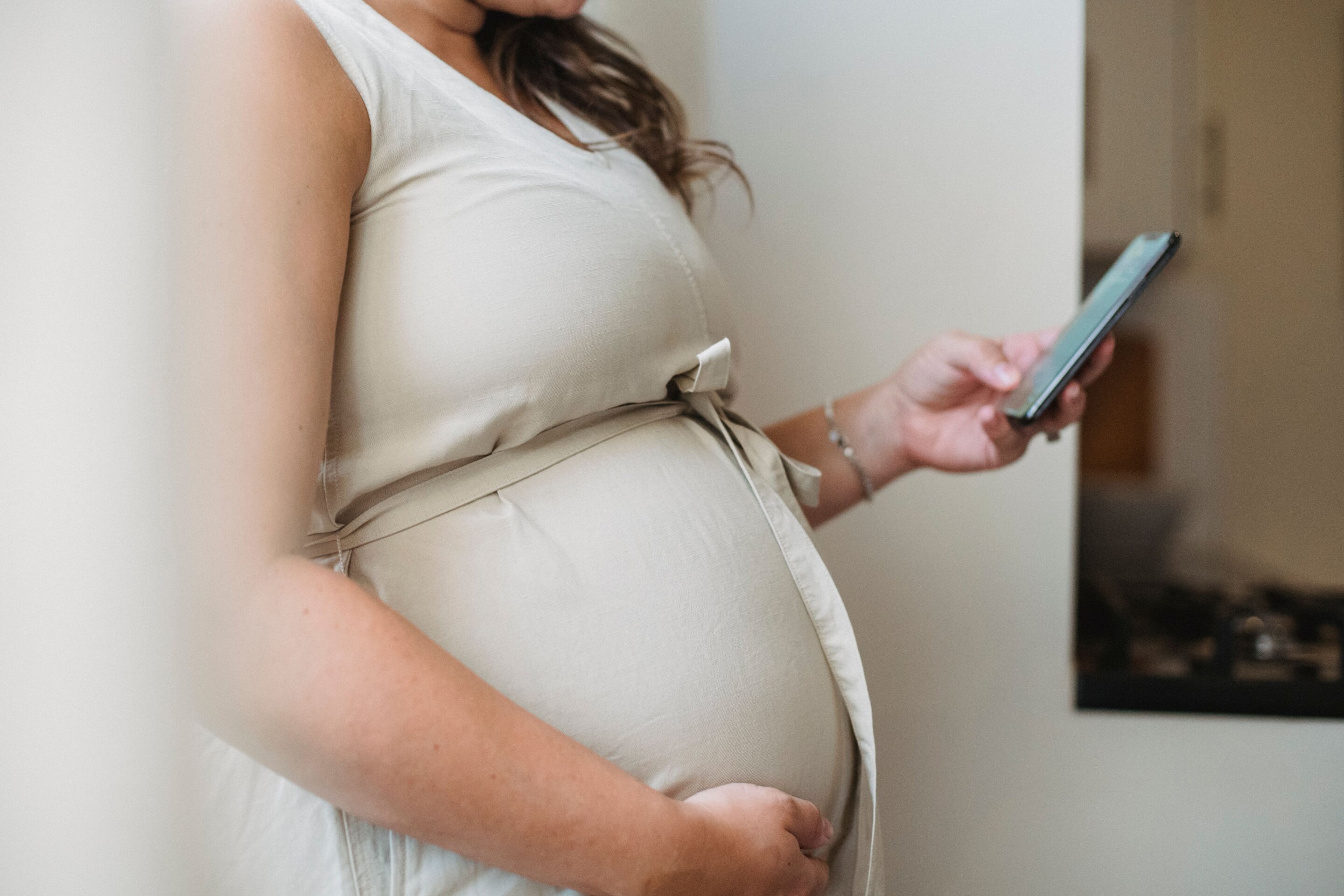
A continuous, personalized mobile health (mHealth) coaching program can significantly reduce gestational diabetes incidence among high-risk pregnant women, independent of changes to maternal weight—according to an international study published in the Lancet Digital Health.
Led by professor Sharleen O'Reilly from University College Dublin's School of Agriculture and Food Science, the "Bump2Baby and Me" (B2B&Me) study evaluated the efficacy of a smartphone-delivered intervention from early pregnancy through 12 months postpartum. The multicenter randomized controlled trial (RCT), spanning Ireland, the U.K., Spain and Australia, is the first of its scale to provide a digital health intervention continuously through both pregnancy and an extended postpartum period.
The risk of developing gestational diabetes is strongly linked to obesity or overweight. "Lifestyle" interventions typically focus on improving diet, physical activity and weight management. The B2B&Me study followed two groups who received routine care only or routine care plus personalized mHealth coaching through the B2B&Me app. The study found no difference in average maternal body mass index (BMI) at 12 months postpartum between the two groups, but it did find a clinically important reduction in the number of women who developed gestational diabetes for the B2B&Me app group.
These findings have potential clinical implications—showing that gestational diabetes prevention and improvements in metabolic health can be achieved without corresponding weight change. Additionally, the study noted that regular self-weighing using simple, Bluetooth-enabled digital scales was independently associated with a significant reduction in body mass index (BMI).
Source link